Tag: Women’s Hair

  • Best Diet Plan for Healthy Hair Growth: 10 Expert-Backed Superfoods

    Best Diet Plan for Healthy Hair Growth: 10 Expert-Backed Superfoods

    While many people spend hundreds of dollars on topical serums and expensive shampoos, the true secret to thick, lustrous hair often lies on your dinner plate. Hair Care follicles are among the most metabolically active tissues in the human body. Because hair is considered a “non-essential” tissue by the body, it is often the first to suffer when your nutritional intake is suboptimal. To maintain a vibrant mane, you must feed your body the specific vitamins, minerals, and proteins required for keratin production and scalp health.

    A hair-healthy diet isn’t just about preventing shedding; it is about optimizing the “anagen” or growth phase of the hair cycle. By focusing on nutrient-dense whole foods, you can improve hair density, strength, and shine from the inside out.

    The Skincare Science of Nutrition and Hair Care Growth

    Hair Care is primarily composed of a tough protein called keratin. For your body to produce keratin efficiently, it requires a steady supply of amino acids, vitamins, and minerals. Iron helps red blood cells carry oxygen to your cells, including hair follicles, while Zinc plays a crucial role in hair tissue growth and repair. When these elements are missing, the hair cycle may prematurely enter the “telogen” (resting) phase, leading to noticeable thinning.

    10 Expert-Backed Superfoods for Hair Care Growth

    To achieve the best results, incorporate these ten nutrient powerhouses into your weekly meal rotation. These foods are selected based on their high concentrations of Biotin, Omega-3 fatty acids, and essential minerals.

    1. Eggs: The Foundation of Protein and Biotin

    Eggs are a premier source of protein and biotin, two nutrients that are vital for hair health. Biotin is essential for the production of hair protein (keratin), which is why biotin supplements are so popular. However, consuming it through whole foods like eggs also provides leucine and other amino acids that support muscle and tissue repair.

    2. Fatty Fish: Omega-3s for Scalp Hydration

    Salmon, mackerel, and herring are rich in Omega-3 fatty acids. These healthy fats are not produced by the body but are necessary to keep the scalp hydrated and the hair shaft lubricated. A well-hydrated scalp prevents the brittle texture that leads to breakage.

    3. Spinach: The Iron Powerhouse

    Spinach is loaded with folate, iron, and vitamins A and C. Iron deficiency is one of the leading causes of hair loss, particularly in women. By ensuring your iron levels are stable, you ensure that oxygen reaches the hair roots, promoting consistent growth.

    4. Berries: Antioxidant Protection

    Strawberries, blueberries, and raspberries are rich in Vitamin C, a powerful antioxidant. Vitamin C helps protect hair follicles against damage from free radicals and aids the body in absorbing iron from your diet. Furthermore, it helps the body produce collagen, which strengthens the hair shaft.

    5. Sweet Potatoes: Beta-Carotene for Sebum Production

    Sweet potatoes are an excellent source of beta-carotene. The body converts this compound into Vitamin A, which is linked to the production of sebum. Sebum is the natural oil produced by our scalp that keeps hair healthy and prevents it from drying out.

    6. Avocados: Vitamin E and Healthy Fats

    Avocados are rich in Vitamin E, which improves blood circulation and helps the follicles work more efficiently to promote hair growth. They also contain essential fatty acids that serve as the building blocks of your hair cells.

    7. Nuts and Seeds: Zinc and Selenium

    Walnuts, almonds, flaxseeds, and chia seeds provide a wide range of nutrients, including Vitamin E, B vitamins, zinc, and essential fatty acids. A deficiency in zinc has been clinically linked to hair shedding, making these snacks a must-have for hair density.

    8. Oysters: The Ultimate Zinc Source

    Oysters are one of the best biological sources of zinc. Zinc is a mineral that supports the hair growth and repair cycle. It helps keep the oil glands around the follicles working correctly. While you can get zinc from other foods, oysters provide a concentrated dose that is easily absorbed.

    9. Greek Yogurt: Vitamin B5 (Pantothenic Acid)

    Greek yogurt contains Vitamin B5, known as pantothenic acid, which helps with blood flow to your scalp and prevents hair thinning. It is a common ingredient in hair care products, but it is significantly more effective when metabolized through your diet.

    10. Beans and Legumes: Plant-Based Protein

    For those following a vegetarian or vegan diet, beans and lentils are essential. They are great plant-based sources of protein, zinc, iron, and biotin. They provide a cost-effective way to ensure your hair follicles have the “raw materials” needed for growth.

    Hair Care Growth Nutrient Reference Table

    Use the table below to track which nutrients you are targeting with your diet.

    NutrientBenefit for Hair CareTop Food Sources
    BiotinKeratin production & strengthEggs, Legumes, Nuts
    Omega-3sScalp health & shineSalmon, Chia Seeds, Walnuts
    IronOxygen delivery to folliclesSpinach, Red Meat, Lentils
    Vitamin CCollagen synthesisBerries, Citrus, Bell Peppers
    ZincTissue growth & repairOysters, Pumpkin Seeds, Beef

    Pros and Cons of a Diet-Based Approach to Hair Care Growth

    Pros

    • Long-Term Sustainability: Unlike topical treatments that stop working once you stop using them, a healthy diet creates a permanent foundation for hair health.
    • Holistic Health: The foods that are good for your hair—like leafy greens and fatty fish—also benefit your heart, skin, and brain.
    • Cost-Effective: Buying whole foods is often cheaper than high-end hair growth supplements and prescription serums.
    • Natural Results: Promotes hair growth without the side effects often associated with chemical treatments or hormonal medications.

    Cons

    • Time Delay: It takes time for nutritional changes to show. Because of the hair growth cycle, you may not see visible results for 3 to 6 months.
    • Consistency Required: A “cheat week” won’t ruin your hair, but chronic nutritional gaps will eventually lead to dullness and thinning.
    • Underlying Conditions: Diet alone cannot fix hair loss caused by genetics (like male pattern baldness), autoimmune disorders, or severe hormonal imbalances.

    Actionable Tips for Success

    To get the most out of your hair growth diet, consider these professional tips:

    • Hydrate: The hair shaft is made up of about 25% water. Dehydration can make hair weak and stop growth.
    • Avoid Crash Dieting: Sudden, restrictive weight loss puts the body in “survival mode,” which often triggers temporary hair shedding (Telogen Effluvium).
    • Cook Your Eggs: Raw egg whites contain avidin, a protein that can block the absorption of biotin. Always cook your eggs to ensure you get the biotin benefits.
    • Pair Iron with Vitamin C: When eating plant-based iron (like spinach), consume it with a Vitamin C source (like lemon juice) to increase absorption.

    Frequently Asked Questions

    How long does it take to see results from a hair growth diet?

    Hair Care typically grows about half an inch per month. Because it takes time for new, nutrient-rich hair to grow from the follicle and reach the surface, most people notice a difference in hair texture and strength after 3 to 6 months of consistent dietary changes.

    Can a poor diet cause permanent hair loss?

    In most cases, hair loss due to nutritional deficiencies is reversible. Once the body receives the necessary vitamins and minerals, the follicles usually return to their normal growth cycle. However, chronic long-term malnutrition can lead to thinning that is harder to recover from.

    Are supplements better than whole foods for hair growth?

    Most nutritionists recommend getting nutrients from whole foods first. Whole foods contain complex synergistic compounds and fiber that supplements lack. Supplements should be used to fill specific gaps identified by a blood test, rather than as a replacement for a healthy diet.

    Does sugar affect hair growth?

    High sugar intake can lead to inflammation and spikes in insulin. Some studies suggest that high insulin levels can trigger androgen production, which may shrink hair follicles in individuals sensitive to hormonal thinning.

    Is biotin the only vitamin that matters for hair?

    No. While biotin is famous for hair health, it is only one piece of the puzzle. Without adequate protein, iron, and zinc, biotin cannot do its job effectively. A balanced approach is always more effective than focusing on a single “miracle” vitamin.


    Topic: Best diet plan for healthy hair growth
    Tags: #Diet #Plan #Healthy #Hair Care #Growth #ExpertBacked #Superfoods
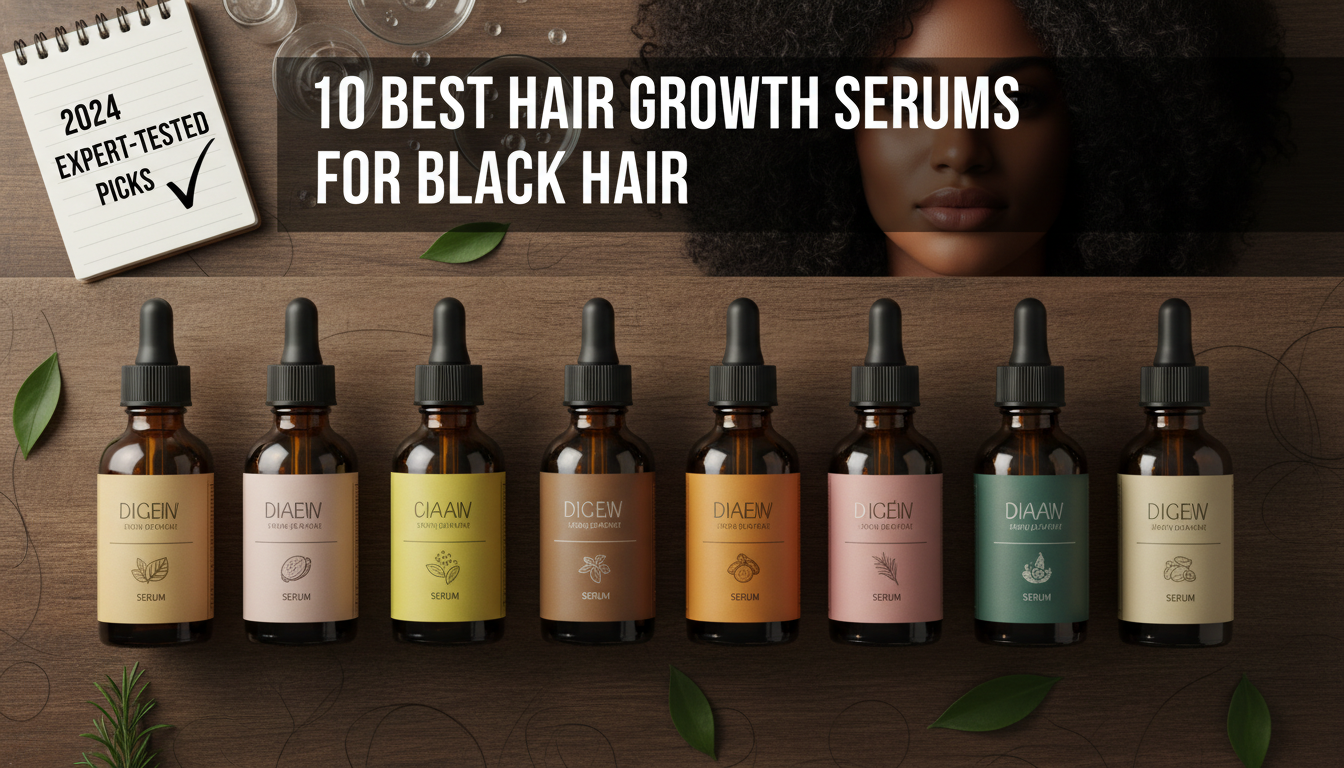
  • 10 Best Hair Growth Serums for Black Hair: 2024 Expert-Tested Picks

    10 Best Hair Growth Serums for Black Hair: 2024 Expert-Tested Picks

    Navigating the journey toward longer, thicker hair often feels like a marathon, particularly for those with textured, curly, or coily hair. Black hair is uniquely beautiful but also structurally delicate, requiring specific nutrients and moisture-rich formulas to thrive. Factors like tension from protective styles, scalp dryness, and hormonal changes can often lead to thinning edges or stagnant growth.

    A high-quality hair growth serum isn’t just about “magic” in a bottle; it’s about creating the optimal environment for the scalp to function at its best. By stimulating blood flow, blocking DHT (a hormone linked to hair loss), and providing essential hydration, the right serum can transform your hair care routine. We have curated and tested the ten best hair growth serums specifically formulated to address the needs of Black hair in 2024.

    Understanding the Needs of Black Hair Care and Scalp Health

    Black hair typically has a more elliptical follicle shape, which makes it harder for natural scalp oils (sebum) to travel down the hair shaft. This leads to dryness and potential breakage. When looking for a growth serum, it is crucial to find a balance between stimulating active ingredients and nourishing carriers that won’t clog pores or cause buildup.

    Key Ingredient Education to Look For

    • Rosemary Oil: Often compared to minoxidil in its efficacy for increasing blood circulation to the scalp.
    • Peptides: Small proteins that help strengthen the hair follicle and improve hair density.
    • Castor Oil: Rich in ricinoleic acid, it helps lock in moisture and has anti-inflammatory properties.
    • Biotin: A B-vitamin that supports the production of keratin.
    • Caffeine: Known to extend the “anagen” (growth) phase of the hair cycle.

    10 Best Hair Care Growth Serums for Black Hair Care: 2024 Top Picks

    Product NameKey BenefitBest For
    Mielle Rosemary Mint Scalp & Hair Care OilAffordable & EffectiveProtective Styles & Edges
    Vegamour GRO Hair Care SerumPlant-Based/VeganThinning & Shedding
    Pattern Beauty Scalp SerumSoothing & HydratingDry, Itchy Scalp
    The Ordinary Multi-Peptide SerumScientific ApproachOverall Density
    The Mane Choice Multi-Vitamin SerumNutrient DenseSlow Growth
    Camille Rose Rejuvenating SerumAyurvedic BlendBreakage Prevention
    CURLS Blueberry Bliss Scalp TreatmentBioactive Ingredient EducationStimulating Follicles
    Briogeo Destined for DensityCaffeine-InfusedFine or Thinning Texture
    Shedavi Hair Care Growth OilHolistic/HerbalLength Retention
    Nioxin System 4 Scalp ReliefClinical StrengthSevere Thinning

    1. Mielle Organic Beautys Rosemary Mint Scalp & Hair Care Oil

    This viral sensation remains a top pick for 2024. Infused with biotin and over 30 essential oils, it is particularly effective for those wearing braids or weaves. The cooling sensation of mint provides instant relief to a tight scalp while rosemary works to invigorate the follicles.

    2. Vegamour GRO Hair Care Serum

    Vegamour uses phyto-actives to revitalize hair roots. For Black women experiencing shedding due to stress or postpartum changes, this serum is a game-changer. It is water-based, meaning it won’t leave a greasy residue on your silk press or curls.

    3. Pattern Beauty Scalp Serum

    Designed by Tracee Ellis Ross specifically for textures 3B to 4C, this serum focuses on scalp wellness. It features peppermint, rosemary, and lavender oils. It’s a “breath of fresh air” for a dry scalp, reducing inflammation that can hinder growth.

    4. The Ordinary Multi-Peptide Serum for Hair Care Density

    If you prefer a science-forward, lightweight formula, this is it. It contains REDENSYL and Procapil, which target the stem cells and human fibroblasts from the dermal papilla to improve hair density without the heavy feel of traditional oils.

    5. The Mane Choice Multi-Vitamin Scalp Nourishing Growth Oil

    This product is packed with Vitamins A, C, D, and E. It is heavy enough to seal in moisture for 4C hair types but formulated to be absorbed quickly enough to stimulate the scalp without causing “itchy” buildup.

    How to Apply Serums for Maximum Results

    Consistency is the most important factor when using a growth serum. To see real results, follow these expert tips:

    1. Target the Scalp, Not the Hair Care: Focus the product directly on the skin. Use a dropper or your fingertips to ensure the product reaches the follicles.
    2. The 4-Minute Massage: After application, massage your scalp in circular motions for at least four minutes. This manual stimulation increases blood flow, helping the serum penetrate deeper.
    3. Use on Damp Scalp: While many serums can be used on dry hair, applying them to a clean, slightly damp scalp after washing can sometimes improve absorption.
    4. Avoid Overloading: A few drops go a long way. Using too much product can lead to clogged pores (folliculitis), which can actually inhibit hair growth.

    Pros and Cons of Using Hair Care Growth Serums

    Pros and Cons

    Pros

    • Targeted Treatment: Allows you to focus on specific problem areas like thinning edges or the crown.
    • Scalp Health: Most serums include anti-fungal or anti-inflammatory ingredients that reduce dandruff.
    • Improved Texture: Regular use often results in softer, more manageable new growth.
    • Versatility: Most can be used while wearing protective styles.

    Cons

    • Time Investment: Results typically take 3 to 6 months of daily or consistent use.
    • Potential for Buildup: Oil-based serums may require more frequent clarifying washes.
    • Cost: High-end clinical serums can be expensive over time.

    Frequently Asked Questions

    How long does it take to see results from a growth serum?

    Hair Care typically grows about half an inch per month. Most users begin to see noticeable “baby hairs” or increased density after 90 days of consistent application. Patience and a regular routine are essential.

    Can I use these serums while wearing braids?

    Yes. In fact, using a serum while in braids is highly recommended to keep the scalp hydrated and to prevent tension-related hair loss. Look for serums with a dropper or a pointed nozzle for easy access between the braids.

    Do I need to wash my hair more often when using a serum?

    If you are using an oil-based serum (like Mielle or Camille Rose), you should use a clarifying shampoo every 1–2 weeks to prevent buildup. Water-based serums (like The Ordinary or Vegamour) usually do not require more frequent washing.

    Is it better to apply serum at night or in the morning?

    Nighttime application is often preferred. During sleep, the body undergoes a repair process, and the serum has several hours to absorb without being disturbed by styling products or environmental pollutants.

    Will these serums help with traction alopecia?

    Serums can help stimulate follicles that are dormant, but they cannot “regrow” hair in areas where the follicle has been permanently scarred. For early-stage traction alopecia, these serums can be very effective when combined with low-tension styling.

    Expert Final Thoughts

    Choosing the best hair growth serum for Black hair requires understanding your specific scalp needs. Whether you choose a botanical oil blend or a clinical peptide solution, the key is the health of the scalp. By combining these top-rated products with a healthy diet and low-manipulation styling, you can maximize your hair’s natural growth potential in 2024.


    Topic: Best hair growth serums for black hair
    Tags: #Hair Care #Growth #Serums #Black #Hair Care #ExpertTested #Picks

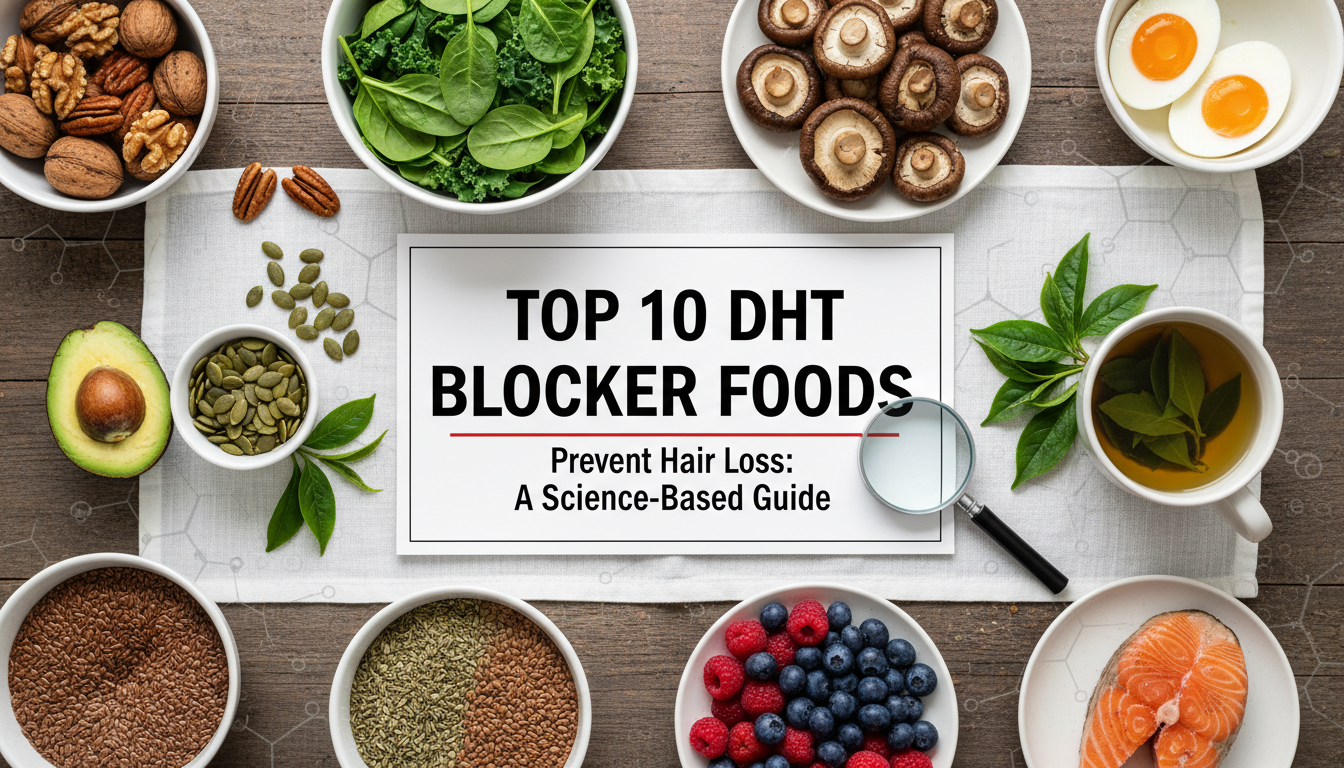
  • Top 10 DHT Blocker Foods to Prevent Hair Loss: A Science-Based Guide

    Top 10 DHT Blocker Foods to Prevent Hair Loss: A Science-Based Guide

    Hair Care loss can be a frustrating experience, often leading many to search for solutions ranging from expensive clinical treatments to various topical serums. However, one of the most effective and sustainable ways to support hair health is from the inside out. At the heart of most genetic hair thinning—specifically androgenetic alopecia—is a hormone called Dihydrotestosterone (DHT).

    While DHT is a naturally occurring androgen, an oversensitivity to it can cause hair follicles to shrink, a process known as miniaturization. Fortunately, nature provides several compounds found in everyday foods that may help inhibit the enzyme responsible for creating DHT, potentially slowing down hair loss and promoting thicker growth.

    The Skincare Science of DHT and Hair Care Loss

    To understand how food helps, we must look at the enzyme 5-alpha-reductase. This enzyme is responsible for converting testosterone into DHT. When DHT attaches to receptors in the scalp, it shortens the growth phase (anagen) of the hair cycle. Over time, the hair produced is thinner and shorter until the follicle stops producing hair altogether.

    DHT-blocking foods typically contain specific nutrients—such as zinc, lycopene, and epigallocatechin gallate (EGCG)—that naturally interfere with the 5-alpha-reductase enzyme or prevent DHT from binding to your follicles.

    Top 10 Foods That Naturally Block DHT

    1. Green Tea

    Green tea is one of the most potent natural DHT blockers available. It is rich in a plant compound called epigallocatechin gallate (EGCG). Research suggests that EGCG can protect hair follicles by inhibiting the activity of 5-alpha-reductase. Additionally, the antioxidants in green tea help reduce scalp inflammation, creating a healthier environment for hair growth.

    2. Pumpkin Seeds

    Pumpkin seeds are a nutritional powerhouse for hair. They contain a unique amino acid called cucurbitacin and are rich in phytosterols. Studies have shown that pumpkin seed oil can significantly increase hair count in men with thinning hair by blocking the production of DHT without the hormonal side effects often associated with pharmaceutical blockers.

    3. Edamame and Soy Products

    Soybeans contain a group of compounds called isoflavones, specifically daidzein. When digested, certain gut bacteria convert daidzein into equol. Equol has the unique ability to bind directly to DHT, neutralizing its effects on the hair follicle without affecting testosterone levels.

    4. Onions (and other Quercetin-rich foods)

    Onions are high in quercetin, a powerful antioxidant. Quercetin has been shown in clinical studies to inhibit the 5-alpha-reductase enzyme. While many people use onion juice topically, incorporating onions, shallots, and scallions into your diet provides a systemic boost of this protective flavonoid.

    5. Turmeric

    The active compound in turmeric, curcumin, is well-known for its anti-inflammatory properties. However, emerging research indicates that curcumin can also act as a potent inhibitor of 5-alpha-reductase. By reducing both DHT levels and scalp inflammation, turmeric offers a dual-action approach to preventing hair thinning.

    6. Spinach and Leafy Greens

    While spinach may not block DHT directly as aggressively as green tea, it is vital for the hair’s resistance to DHT. It is loaded with iron and vitamin C, which improve oxygen delivery to the follicles. It also contains phytosterols that may help balance hormone levels in the scalp.

    7. Walnuts

    Walnuts contain L-lysine and walnuts are one of the few nuts that contain significant amounts of alpha-linolenic acid (ALA). ALA acts as a natural 5-alpha-reductase inhibitor. Furthermore, walnuts provide biotin and vitamin E, which strengthen the hair shaft against breakage.

    8. Carrots

    Rich in beta-carotene (which the body converts to Vitamin A), carrots are essential for sebum production. A healthy level of sebum protects the scalp from oxidative stress. Carrots also contain lycopene, which has been linked to lower levels of DHT in the body.

    9. Oysters and Zinc-Rich Foods

    Zinc is a mineral that plays a crucial role in the body’s enzymatic processes, including those that regulate hormones. A deficiency in zinc is frequently linked to hair loss. Oysters, hemp seeds, and lentils are excellent sources of zinc, which helps keep the 5-alpha-reductase enzyme in check.

    10. Tomatoes

    Tomatoes are the primary dietary source of lycopene. This carotenoid does more than just protect your skin from UV rays; it also helps regulate the body’s sensitivity to androgens. By consuming cooked tomatoes (which increases lycopene bioavailability), you can help modulate the DHT response in your scalp.

    Summary of Key Nutrients

    Food ItemActive CompoundPrimary Benefit
    Green TeaEGCGInhibits 5-alpha-reductase
    Pumpkin SeedsPhytosterolsReduces DHT production
    EdamameIsoflavones/EquolNeutralizes existing DHT
    TurmericCurcuminBlocks enzyme and reduces inflammation
    TomatoesLycopeneModulates androgen receptors

    Pros and Cons of Using Food as a DHT Blocker

    Pros

    • Safety: Unlike pharmaceutical DHT blockers, foods do not typically cause systemic hormonal side effects such as decreased libido.
    • Overall Health: The foods listed above are nutrient-dense and provide benefits for heart health, skin, and immunity.
    • Cost-Effective: Incorporating these items into your weekly grocery list is often cheaper than specialized supplements.

    Cons

    • Lower Potency: Dietary changes may not be as aggressive as medical treatments like Finasteride for advanced hair loss.
    • Time: It can take 3 to 6 months of consistent dietary habits to see a visible change in hair quality.
    • Individual Variation: Genetics play a massive role; diet alone may not be enough if you are highly sensitive to DHT.

    Actionable Tips for Success

    Simply eating a pumpkin seed once a week won’t halt hair loss. To see results, you should adopt a “hair-healthy” lifestyle. Focus on the following:

    • Consistency: Aim to include at least two of these DHT-blocking foods in your daily meals.
    • Scalp Health: Combine a DHT-blocking diet with scalp massages to improve blood circulation, ensuring the nutrients actually reach the follicles.
    • Reduce Stress: High cortisol levels can accelerate hair thinning, potentially negating the benefits of your diet.

    Frequently Asked Questions

    How long does it take to see results from a DHT-blocking diet?

    Hair Care grows in cycles, and the “resting” phase can last several months. Most people notice an improvement in hair texture and a reduction in shedding after 3 to 6 months of consistent dietary changes.

    Can women use DHT-blocking foods?

    Yes. While DHT is often discussed in the context of male pattern baldness, it is also a primary culprit in female pattern hair loss (androgenetic alopecia). These foods are safe and beneficial for women.

    Are these foods enough to regrow hair on a bald spot?

    If a hair follicle has completely “died” and scarred over, food alone is unlikely to revive it. However, these foods are excellent for thickening existing hair and preventing further thinning in areas that are just starting to recede.

    Is it better to take supplements or eat the whole foods?

    Whole foods are generally preferred because they contain a complex matrix of fiber, vitamins, and minerals that help with the absorption of the active compounds. However, supplements like pumpkin seed oil or green tea extract can be helpful for those who cannot get enough through diet alone.


    Topic: DHT blocker foods to prevent hair loss
    Tags: #Top #DHT #Blocker #Foods #Prevent #Hair Care #Loss #Skincare ScienceBased #Guide

  • Best Supplements for Thinning Hair in Women: 2024 Expert-Backed Guide

    Hair Care thinning can be an incredibly personal and often distressing experience for women. Whether you’ve noticed a widening part, a thinner ponytail, or more strands than usual in the shower drain, you aren’t alone. Recent data suggests that over 50% of women will experience noticeable hair loss at some point in their lives.

    While topical treatments and lifestyle changes play a role, nutritional support is often the “missing piece” of the puzzle. Hair Care follicles are among the most metabolically active cells in the body, meaning they require a constant supply of specific vitamins and minerals to produce healthy strands. In this guide, we break down the most effective, expert-backed supplements for 2024 to help you regain density and confidence.

    How Nutrients Influence the Hair Care Growth Cycle

    To understand how supplements work, it is important to understand the hair growth cycle. Hair Care goes through three phases: Anagen (growth), Catagen (transition), and Telogen (resting/shedding). Hair Care thinning often occurs when the Anagen phase shortens or when a high percentage of hairs enter the Telogen phase prematurely due to stress, hormonal shifts, or nutritional deficiencies.

    Supplements target the “root” of the problem by providing the building blocks for keratin—the protein that makes up your hair—and by counteracting oxidative stress that can age the hair follicle.

    Essential Ingredient Education to Look For

    Not all hair vitamins are created equal. When reviewing labels, look for these evidence-based ingredients that clinical studies have shown to support hair health:

    1. Biotin (Vitamin B7)

    Biotin is perhaps the most famous hair nutrient. It assists in the production of keratin. While a true biotin deficiency is rare, supplemental biotin has been shown to improve hair thickness and nail strength in those experiencing temporary thinning.

    2. Marine Collagen and Shark Powder

    Specific marine complexes (often found in premium brands like Viviscal) contain amino acids that mimic the proteins found in the hair follicle. These have been clinically proven to prolong the Anagen phase, leading to less shedding.

    3. Iron and Ferritin

    For pre-menopausal women, iron deficiency is a leading cause of thinning hair. Iron helps red blood cells carry oxygen to your cells, including the cells that repair and stimulate hair growth. If your ferritin (stored iron) levels are low, your body will divert energy away from “non-essential” functions like hair growth.

    4. Saw Palmetto and Pumpkin Seed Oil

    If your thinning is hormonal (Androgenetic Alopecia), you may need ingredients that act as natural DHT blockers. DHT is a hormone that can shrink hair follicles. Saw Palmetto is a botanical extract frequently used to help balance these hormonal effects on the scalp.

    5. Adaptogens (Ashwagandha and Curcumin)

    Chronic stress triggers cortisol, which can signal hair follicles to stop growing. Adaptogens help the body manage stress, protecting the hair from “stress-induced shedding” known as Telogen Effluvium.

    Top-Tier Supplement Categories for 2024

    Choosing the right supplement depends on the underlying cause of your thinning. Here is how the market is currently categorized:

    CategoryBest For…Key Ingredient Education
    NutraceuticalsHormonal and stress-related thinning.Saw Palmetto, Ashwagandha, Marine Collagen.
    Mineral-BasedWomen with heavy cycles or restrictive diets.Iron, Zinc, Vitamin C (for absorption).
    Keratin BoostersBrittle, snapping hair and slow growth.Biotin, Solubilized Keratin, Horsetail Extract.
    Antioxidant BlendsAge-related thinning and scalp health.Vitamin E, Selenium, Resveratrol.

    Pros and Cons of Hair Care Growth Supplements

    Pros

    • Systemic Support: Unlike shampoos, supplements work from the inside out to nourish the follicle directly via the bloodstream.
    • Convenience: Most high-quality options combine 10+ targeted ingredients into one or two daily capsules.
    • Multifunctional Benefits: Many women report improved skin elasticity and stronger nails alongside hair benefits.
    • Non-Invasive: A great first step before considering more aggressive treatments like PRP or hair transplants.

    Cons

    • Time Lag: You must be patient. It typically takes 3 to 6 months to see visible changes in hair density.
    • Potential Side Effects: High doses of Biotin can interfere with certain lab tests (like thyroid panels) or cause “biotin acne” in some users.
    • Cost: Premium, clinically-backed nutraceuticals can be expensive, often ranging from $40 to $80 per month.
    • Not a “Cure-All”: Supplements cannot override genetic hair loss entirely, though they can slow the process.

    How to Maximize Your Results

    Taking a pill is only half the battle. To ensure your body actually uses these nutrients, consider these expert tips:

    • Check Your Vitamin D: Low Vitamin D is strongly linked to alopecia. Ensure your supplement includes it, or spend 15 minutes in the sun daily.
    • Take with Food: Most hair supplements contain fat-soluble vitamins (A, D, E). Taking them with a meal containing healthy fats improves absorption and prevents nausea.
    • Hydration is Key: The hair shaft is made up of about 25% water. Staying hydrated keeps the hair flexible and less prone to breakage.
    • Consistency: Skipping days resets the “nutritional buildup” in your system. Set a daily reminder to stay on track.

    When to Consult a Doctor

    While supplements are generally safe, sudden or patchy hair loss can be a sign of an underlying medical condition, such as thyroid dysfunction, autoimmune disorders, or severe anemia. If you experience scalp itching, redness, or rapid loss of clumps of hair, consult a dermatologist or primary care physician for a blood panel before starting a supplement regimen.

    Frequently Asked Questions

    Do hair supplements really work for thinning?

    Yes, but they are most effective when the thinning is caused by nutritional gaps, stress, or mild hormonal fluctuations. They provide the “raw materials” your body needs to maintain a healthy growth cycle. They are less effective for advanced genetic balding but can still help improve the quality of existing hair.

    How long does it take to see results?

    Hair Care only grows about half an inch per month. Because supplements must first shift the internal biochemistry before new hair emerges, most women notice a reduction in shedding within 4-6 weeks, while visible “baby hairs” and increased density typically appear at the 3-to-6-month mark.

    Can I take these supplements if I am pregnant or breastfeeding?

    Postpartum hair loss is common, but you should always consult your OB-GYN before adding new supplements during pregnancy or breastfeeding. Many hair supplements contain high levels of Vitamin A or herbal extracts that may not be suitable during these times.

    Will these supplements cause hair to grow elsewhere on my body?

    Generally, no. The hair on your head is regulated differently than body hair (which is more influenced by androgens). Most hair supplements focus on follicular health and keratin production, which primarily benefits the terminal hair on the scalp.

    Can too much Biotin cause breakouts?

    For some women, high doses of Biotin (Vitamin B7) can compete with the absorption of Vitamin B5 (Pantothenic Acid), which helps regulate skin oils. If you experience breakouts, look for a supplement with a more moderate dose of Biotin or ensure you are drinking plenty of water.


    Topic: Best supplements for thinning hair in women
    Tags: #Supplements #Thinning #Hair Care #Women #ExpertBacked #Guide