Tag: Tips

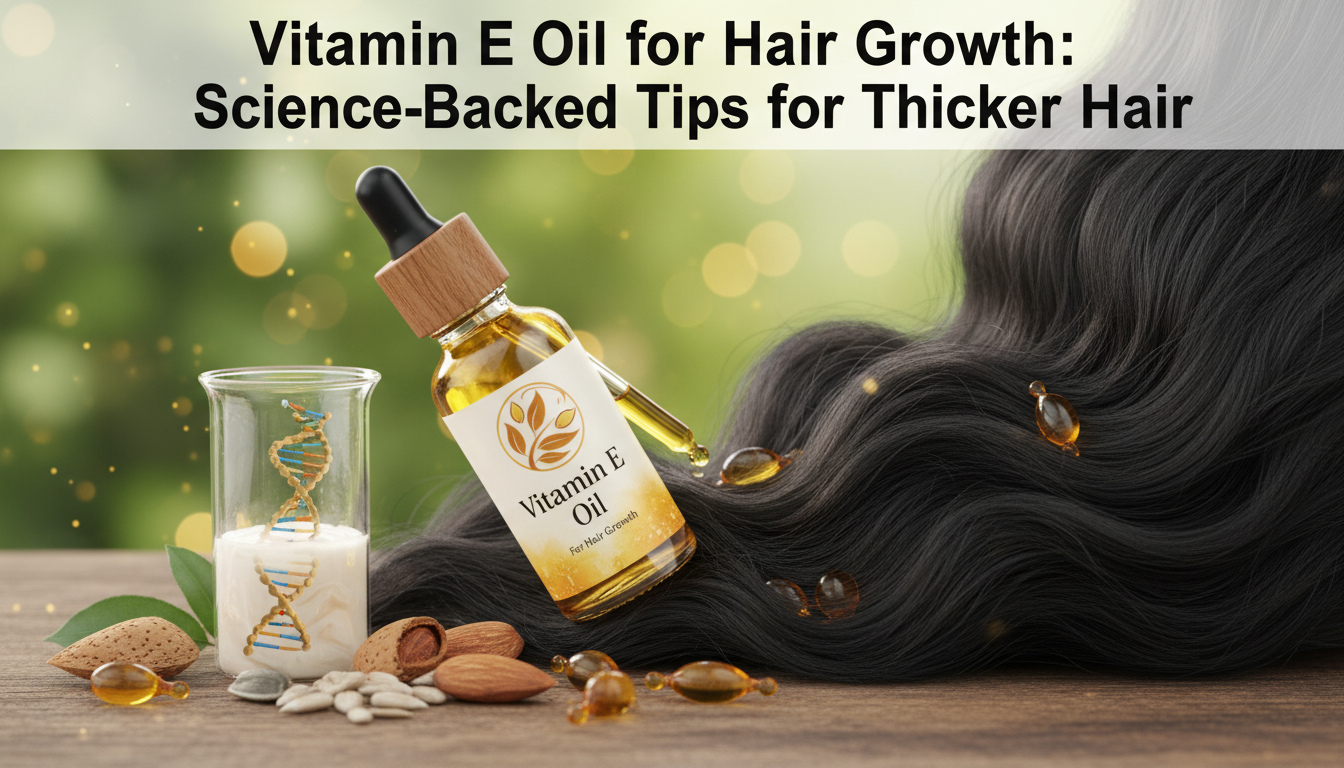
  • Vitamin E Oil for Hair Growth: Science-Backed Tips for Thicker Hair

    Vitamin E Oil for Hair Growth: Science-Backed Tips for Thicker Hair

    The pursuit of thicker, more resilient hair often leads us to expensive salon treatments and complex chemical formulas. However, one of the most effective tools for hair vitality is a potent antioxidant that has been a staple in skincare for decades: Vitamin E. While it is often praised for its ability to heal skin, its role in scalp health and hair follicle support is backed by both traditional use and emerging scientific perspectives.

    Vitamin E is not a single compound but a group of fat-soluble vitamins with powerful antioxidant properties. When applied to the hair and scalp, it acts as a protective shield against the stressors that lead to thinning and breakage. In this guide, we will explore the science behind Vitamin E for hair growth and provide actionable steps to integrate it into your routine safely.

    The Skincare Science: How Vitamin E Supports Hair Care Growth

    To understand how Vitamin E aids hair growth, we must first look at the environment in which hair grows: the scalp. Hair Care loss and thinning are often linked to oxidative stress, a condition where free radicals damage the cells within the hair follicles.

    Reducing Oxidative Stress

    Research suggests a strong correlation between oxidative stress and alopecia. Vitamin E is a rich source of tocotrienols, a specific group of antioxidants. A notable study demonstrated that participants who took Vitamin E supplements over an eight-month period saw a 34.5% increase in hair count, largely due to the reduction of lipid peroxidation and oxidative stress on the scalp.

    Improving Scalp Circulation

    Healthy blood flow is essential for delivering oxygen and nutrients to the hair follicles. Vitamin E has been shown to support capillary health. By improving the micro-circulation of the scalp, it ensures that the “root” of the hair is well-nourished, which can lead to faster and thicker growth cycles.

    Balancing Oil Production

    Vitamin E creates a protective barrier on the skin’s surface. This helps lock in moisture and prevents the overproduction of sebum (oil). A balanced scalp—one that is neither too dry nor too oily—provides the ideal foundation for healthy hair to thrive without the risk of clogged follicles or fungal issues like dandruff.

    Key Benefits of Vitamin E Oil for Your Hair Care

    • Enhanced Shine: By replacing the protective lipid layer on the outside of the hair cuticle, Vitamin E restores luster and reduces the “dull” look caused by environmental damage.
    • Prevention of Hair Care Loss: By stabilizing the hair follicle environment, it can slow down the shedding process associated with oxidative damage.
    • Split End Repair: While it cannot “fuse” a split end back together, it strengthens the hair shaft, making it less prone to splitting and breakage in the future.
    • Soothing Scalp Irritation: Its anti-inflammatory properties help calm redness and itching associated with dry scalp conditions.

    How to Use Vitamin E Oil Safely and Effectively

    Vitamin E oil is highly concentrated and can be quite heavy. To get the best results without weighing your hair down or causing irritation, follow these expert-recommended application methods.

    1. The Scalp Massage (Carrier Oil Blend)

    Never apply pure Vitamin E oil directly to the scalp in large quantities, as it can be difficult to wash out and may cause contact dermatitis in sensitive individuals. Instead, blend it with a carrier oil like coconut, almond, or jojoba oil.

    • Mix 2–3 drops of Vitamin E oil with 1 tablespoon of your chosen carrier oil.
    • Gently massage the mixture into your scalp using your fingertips for 5–10 minutes.
    • Leave it on for at least 30 minutes before washing with a mild shampoo.

    2. The Shampoo Boost

    If you have oily hair and fear that a direct oil treatment will be too heavy, you can fortify your existing products. Add a few drops of Vitamin E oil to your dose of shampoo or conditioner during your shower. This provides a “flash treatment” that protects the hair during the cleansing process.

    3. Dietary Intake

    Topical application is excellent for immediate shine and scalp health, but “internal” Vitamin E is what fuels the hair follicle long-term. Focus on a diet rich in:

    • Leafy greens (spinach and kale)
    • Nuts and seeds (sunflower seeds and almonds)
    • Vegetable oils (olive oil and sunflower oil)
    • Avocados

    Vitamin E vs. Other Popular Hair Care Oils

    Choosing the right oil depends on your specific hair needs. Here is how Vitamin E compares to other common treatments:

    Oil TypePrimary BenefitBest For
    Vitamin E OilAntioxidant protection & Scalp healthThinning hair & Scalp issues
    Rosemary OilStimulating circulationAndrogenetic alopecia
    Castor OilRich in Ricinoleic acidThickening existing strands
    Argan OilDeep hydrationFrizzy or heat-damaged hair

    Pros & Cons of Using Vitamin E for Hair Care

    While Vitamin E is a powerhouse nutrient, it is important to weigh the advantages against the potential drawbacks to ensure it is the right fit for your hair type.

    Pros

    • Accessibility: Vitamin E capsules and oils are affordable and available in most pharmacies.
    • Versatility: It can be used as a pre-shampoo treatment, a leave-in serum, or a dietary supplement.
    • Scientific Backing: Unlike many “fad” ingredients, the antioxidant benefits of Vitamin E are well-documented in clinical dermatology.

    Cons

    • Texture: Pure Vitamin E oil is very thick and “tacky,” which can be difficult to distribute through fine hair.
    • Sensitivity Risk: Some users may experience a rash or allergic reaction if the oil is not properly diluted.
    • Delayed Results: Hair Care growth is a slow process; it typically takes 3 to 6 months of consistent use to see visible changes in thickness.

    Safety Precautions and Professional Advice

    Before starting a Vitamin E regimen, keep the following safety tips in mind. Always perform a patch test by applying a small amount of diluted oil to the inside of your elbow and waiting 24 hours to check for any adverse reactions.

    If you are considering Vitamin E supplements, consult with a healthcare professional first. Excessive intake of fat-soluble vitamins can lead to toxicity, which may ironically lead to more hair loss rather than growth. Topical use is generally considered safe for most people, but moderation is key.

    Frequently Asked Questions

    Can I leave Vitamin E oil in my hair overnight?

    Yes, you can leave a diluted Vitamin E oil blend in your hair overnight. However, it is recommended to wrap your hair in a silk scarf or use a protective pillowcase, as the oil can be messy. If you have an oily scalp, an overnight treatment may be too heavy; 30 minutes to an hour is usually sufficient.

    Does Vitamin E oil work for receding hair lines?

    Vitamin E can help improve the health of the skin and follicles in the area of a receding hairline, but it is not a cure for genetic pattern baldness. It works best as a preventative measure and as a way to support the growth of existing follicles by reducing oxidative damage.

    How often should I use Vitamin E oil on my hair?

    For most hair types, a scalp treatment once or twice a week is ideal. Overusing oil can lead to buildup on the scalp, which may block follicles and hinder hair growth. Always ensure you are washing the oil out thoroughly with a clarifying or balancing shampoo.

    Can I poke a Vitamin E capsule and put it directly on my hair?

    While you can use the oil from a supplement capsule, it is extremely concentrated and sticky. It is much more effective to mix that oil with a carrier oil like jojoba or almond oil before applying it to your scalp and hair to ensure even distribution and easier removal.


    Topic: Vitamin E oil benefits for hair growth
    Tags: #Vitamin #Oil #Hair Care #Growth #Skincare ScienceBacked #Tips #Thicker #Hair Care

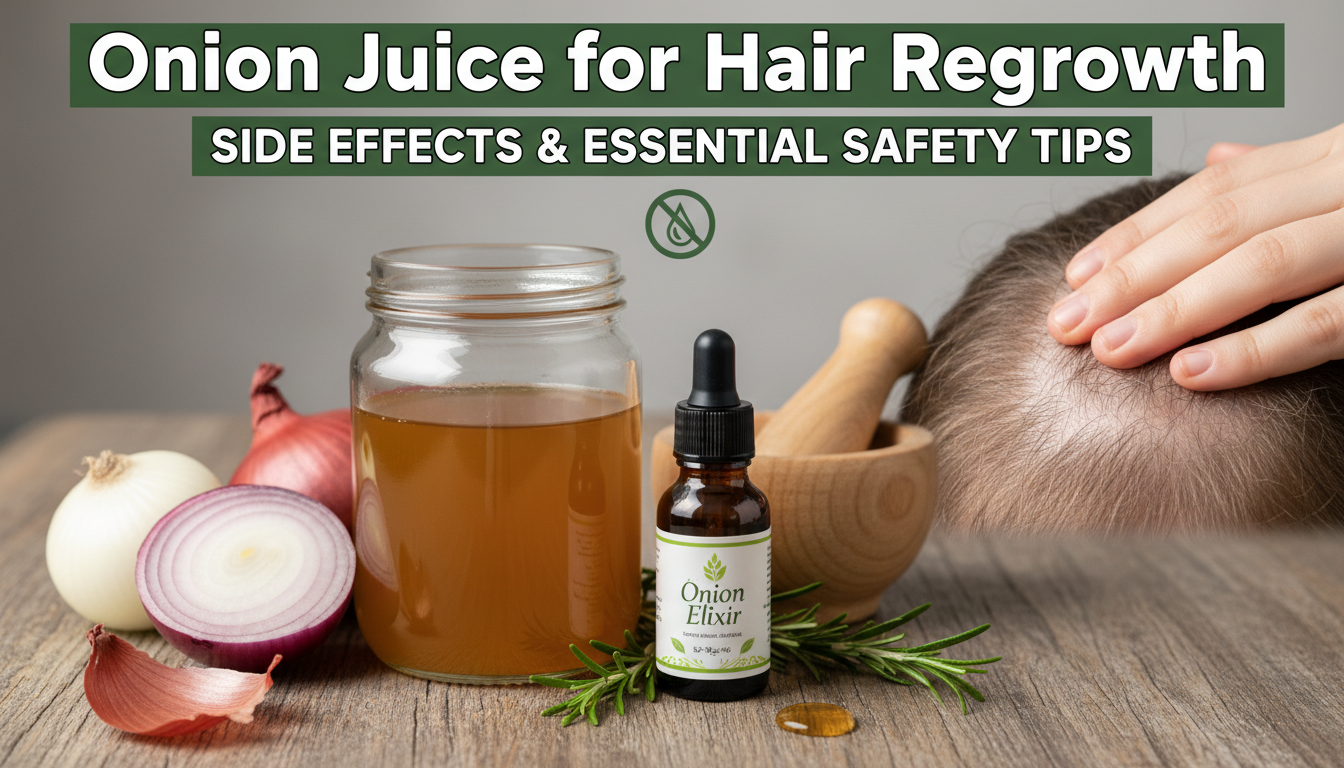
  • Onion Juice for Hair Regrowth: Side Effects and Essential Safety Tips

    Onion Juice for Hair Regrowth: Side Effects and Essential Safety Tips

    The quest for thicker, fuller hair often leads people back to nature. Among the many DIY remedies circulating on social media and wellness forums, onion juice has emerged as a frontrunner. While the idea of applying vegetable juice to your scalp might seem unconventional, its roots are firmly planted in traditional medicine and supported by preliminary scientific research.

    However, natural does not always mean harmless. While onion juice can be a potent ally for hair health, it is chemically intense due to its high sulfur content. Without proper application and safety precautions, this “kitchen miracle” can lead to significant scalp irritation and discomfort. To help you navigate this home remedy safely, we’ve broken down the potential side effects and essential safety protocols you need to know before you start your treatment.

    The Skincare Science Behind Onion Juice for Hair Care

    Before diving into the risks, it is important to understand why people use it. Onions are rich in dietary sulfur, an element found in amino acids that are components of keratin—the protein that makes up our hair. Proponents suggest that the sulfur in onion juice provides the building blocks for stronger hair, boosts blood circulation to the follicles, and may even minimize thinning.

    A small study published in the Journal of Dermatology indicated that participants with alopecia areata who applied onion juice twice daily saw significantly more hair regrowth than those who used tap water. Despite these promising signs, the high concentration of active compounds means the scalp must be treated with care.

    Potential Side Effects of Onion Juice

    While many people use onion juice without issues, others may experience adverse reactions. The skin on our scalp is sensitive, and the acidic nature of onions can be disruptive.

    1. Scalp Irritation and Redness

    The most common side effect is localized irritation. Sulfur is a powerful element, and in its raw form, it can cause a burning sensation, itching, and visible redness. This is particularly common in individuals with sensitive skin or those who leave the juice on for too long.

    2. Contact Dermatitis (Allergic Reactions)

    Even if you aren’t allergic to eating onions, you may have a topical sensitivity. Contact dermatitis can manifest as an itchy rash, hives, or even small blisters. If your scalp feels excessively hot or starts to swell after application, you are likely experiencing an allergic response.

    3. Dryness of the Hair Care and Scalp

    Onion juice is an astringent. While this is great for those with oily scalps, it can strip away the natural oils (sebum) that protect the hair shaft. Overuse can lead to a dry, flaky scalp and hair that feels “crunchy” or brittle to the touch.

    4. Eye Irritation

    The same sulfurous compounds (syn-propanethial-S-oxide) that make you cry when chopping onions can irritate your eyes during application. If the juice drips down your forehead or into your eyes, it can cause intense stinging, watering, and temporary redness.

    5. The Lingering Odor

    While not a medical side effect, the psychological impact of the smell is a real concern. The pungent sulfur scent can linger in the hair for days, even after multiple washes with fragrant shampoos. This is often exacerbated when the hair becomes wet or sweaty.

    Essential Safety Tips for Application

    To reap the benefits of onion juice while minimizing the risks mentioned above, follow these expert-recommended safety tips.

    Perform a Patch Test First

    Never apply onion juice to your entire scalp without testing it first. Apply a small amount of the juice to the skin behind your ear or on your inner elbow. Wait 24 hours to see if any redness, itching, or irritation develops. If your skin reacts, do not use it on your scalp.

    Always Dilute the Juice

    Raw onion juice is highly concentrated. To make it gentler, mix it with a soothing carrier agent. Popular options include:

    • Aloe Vera Gel: Calms the scalp and adds moisture.
    • Coconut Oil: Provides a protective barrier and helps neutralize the acidity.
    • Honey: Acts as a humectant to prevent dryness.

    Limit the Duration

    Beginners should not leave onion juice on their scalp overnight. Start by leaving it on for 15 to 30 minutes. If your scalp tolerates it well, you can gradually increase the time, but most experts recommend washing it out within an hour to avoid extreme dryness.

    Use Fresh Juice Only

    Onion juice oxidizes quickly. To ensure the nutrients are active and to prevent the growth of bacteria, always prepare a fresh batch for each use. Do not store leftover juice in the refrigerator for more than 24 hours.

    Pros and Cons of Onion Juice for Hair Care Regrowth

    Comparing the benefits against the drawbacks can help you decide if this treatment fits your lifestyle.

    ProsCons
    Cost-effective and accessible.Extremely pungent and persistent odor.
    Rich in sulfur to support keratin.High risk of scalp irritation or stinging.
    Antimicrobial properties help with dandruff.Messy and time-consuming application.
    May stimulate dormant hair follicles.Results require consistent, long-term use.

    Who Should Avoid Onion Juice?

    While it is a popular remedy, it is not for everyone. You should avoid onion juice if:

    • You have a known allergy to onions, garlic, or leeks.
    • You suffer from chronic scalp conditions like psoriasis or seborrheic dermatitis (consult a dermatologist first).
    • You have open sores, scratches, or broken skin on your scalp, as the juice will cause severe burning.
    • You have recently undergone a chemical treatment (like a perm or bleach), as the scalp may be too sensitive.

    Frequently Asked Questions (FAQ)

    How often should I use onion juice for hair growth?

    Consistency is key, but moderation is vital for safety. Most people find success using the treatment 2 to 3 times per week. Daily use is generally discouraged as it can lead to chronic scalp irritation and excessive dryness.

    How can I get rid of the onion smell after treatment?

    To neutralize the odor, rinse your hair with a diluted apple cider vinegar solution or lemon juice after shampooing. Using a shampoo with a strong citrus or peppermint scent also helps. Some users find that adding a few drops of rosemary or lavender essential oil to the onion juice mixture helps mask the smell from the start.

    Does onion juice work for all types of hair loss?

    Onion juice is most effective for thinning caused by nutrient deficiencies or conditions like alopecia areata. It is less likely to be effective for permanent hair loss caused by scarring or advanced androgenetic alopecia (male/female pattern baldness). If you are experiencing rapid, unexplained hair loss, it is best to see a doctor for a formal diagnosis.

    Can I use onion juice on colored hair?

    Generally, onion juice is safe for color-treated hair, but because it is acidic, it could potentially cause some colors to fade faster. It is always wise to do a test on a small, hidden strand of hair first to ensure it doesn’t affect your specific hair dye.

    Can onion juice cause hair to fall out?

    In rare cases, if the scalp becomes severely inflamed or if the hair becomes extremely dry and brittle due to over-application, breakage can occur. However, onion juice does not typically cause the follicle to stop producing hair unless a severe allergic reaction occurs. Always follow dilution and timing guidelines to prevent damage.


    Topic: Onion juice for hair regrowth side effects
    Tags: #Onion #Juice #Hair Care #Regrowth #Side #Effects #Essential #Safety #Tips