Tag: Picks

  • Best Medicated Shampoo for Severe Dandruff: Top 7 Dermatologist Picks

    Best Medicated Shampoo for Severe Dandruff: Top 7 Dermatologist Picks

    Dealing with severe dandruff is more than just a cosmetic nuisance; it can be a source of physical discomfort and social anxiety. When standard “off-the-shelf” shampoos fail to stop the flaking and itching, it is usually because the underlying cause—often a yeast-like fungus called Malassezia or a condition known as seborrheic dermatitis—requires medical-grade intervention.

    Severe dandruff (seborrheic dermatitis) is characterized by oily, yellow or white scales, intense itching, and sometimes inflamed, red patches on the scalp. To manage these symptoms, dermatologists recommend specific active ingredients that target fungal overgrowth, slow down skin cell turnover, and dissolve thick scales. In this guide, we break down the top seven medicated shampoos proven to tackle the most stubborn scalp conditions.

    Understanding Active Ingredient Education for Severe Dandruff

    Before choosing a product, it is essential to understand the “Big Four” active ingredients that dermatologists look for:

    • Ketoconazole: A powerful antifungal that kills the yeast responsible for dandruff.
    • Selenium Sulfide: Reduces the production of natural oils and slows the rate at which skin cells die and shed.
    • Coal Tar: An old-school but effective treatment that slows skin cell turnover and reduces inflammation.
    • Salicylic Acid: A “keratolytic” that helps soften and wash away thick, crusty scales.

    The Top 7 Dermatologist-Recommended Medicated Shampoos

    The following selections are curated based on clinical efficacy, ingredient concentration, and patient success rates for severe cases.

    1. Nizoral A-D Anti-Dandruff Shampoo (1% Ketoconazole)

    Nizoral is widely considered the gold standard for over-the-counter (OTC) dandruff treatments. Its active ingredient, Ketoconazole, binds to the natural protein of your hair to keep working long after you rinse. It is specifically formulated to kill the Malassezia fungus rather than just washing away flakes.

    Best for: Chronic fungal-related dandruff and preventing recurrence.

    2. Selsun Blue Maximum Strength (1.1% Selenium Sulfide)

    When Ketoconazole isn’t enough, Selenium Sulfide is often the next line of defense. Selsun Blue Maximum Strength is designed for “tough” dandruff. It works by slowing down the production of skin cells and decreasing the oil (sebum) that the fungus feeds on.

    Best for: Oily scalp types and those with visible redness and irritation.

    3. MG217 Psoriasis Therapeutic Conditioning Shampoo (3% Coal Tar)

    For those dealing with thick, plaque-like buildup, coal tar is incredibly effective. MG217 contains a high concentration of coal tar, which slows the rapid growth of skin cells. While it has a distinct medicinal scent, its ability to stop itching and scaling is nearly unmatched for severe seborrheic dermatitis.

    Best for: Heavy scaling, psoriasis-related dandruff, and intense itching.

    4. Neutrogena T/Sal Therapeutic Shampoo (3% Salicylic Acid)

    If your dandruff looks like thick “crusts” on the scalp, you need a descaling agent. Neutrogena T/Sal uses Salicylic Acid to break the bonds between skin cells, allowing the flakes to be washed away easily. It is fragrance-free and preservative-free, making it a “clean” medical choice.

    Best for: Clearing thick, scaly buildup before applying other medicated treatments.

    5. Vanicream Dandruff Care Shampoo (2% Zinc Pyrithione)

    Many medicated shampoos contain harsh dyes and fragrances that can further irritate a raw scalp. Vanicream provides a high 2% concentration of Zinc Pyrithione but omits common irritants like parabens, sulfates, and gluten. It is the top choice for patients with sensitive skin or eczema.

    Best for: Severe dandruff accompanied by sensitive or reactive skin.

    6. Vichy Dercos Anti-Dandruff DS Shampoo (Selenium Disulfide + Salicylic Acid)

    This European favorite combines two powerhouses: Selenium Disulfide to treat the fungus and Salicylic Acid to exfoliate the scalp. It is highly regarded for its “microbiome technology” which helps rebalance the scalp environment to prevent the dandruff from returning.

    Best for: Stubborn cases that have become resistant to single-ingredient shampoos.

    7. Ducray Kelual DS Anti-Dandruff Treatment Shampoo

    Specifically formulated for “severe dandruff conditions with itching,” Ducray Kelual DS uses a patented combination of Ciclopiroxolamine and Zinc Pyrithione. This duo acts quickly to soothe redness and clear away large, oily flakes that stick to the hair shaft.

    Best for: Flare-ups of seborrheic dermatitis and inflamed scalp conditions.

    Comparison of Top Medicated Shampoos

    Product NameActive IngredientPrimary Benefit
    Nizoral A-D1% KetoconazoleKills dandruff-causing fungus
    Selsun Blue Max1.1% Selenium SulfideReduces oil and cell turnover
    MG2173% Coal TarSlows skin cell production
    Neutrogena T/Sal3% Salicylic AcidRemoves thick, crusty scales

    Pros & Cons of Medicated Dandruff Shampoos

    Pros

    • Fast-Acting: Most users see a significant reduction in itching after just two or three uses.
    • Clinical Potency: Contains higher concentrations of actives than standard cosmetic shampoos.
    • Targeted Action: Addresses the root fungal or inflammatory cause rather than just masking the symptoms.
    • Preventative: Using these once a week can keep severe flare-ups at bay indefinitely.

    Cons

    • Drying Effect: The active ingredients can strip the hair of moisture, making it feel “straw-like.”
    • Scent: Ingredient Education like coal tar and selenium sulfide have a strong, sulfurous, or medicinal smell.
    • Color Stripping: Some medicated formulas (especially Coal Tar and Selenium Sulfide) can discolor color-treated, blond, or gray hair.

    How to Use Medicated Shampoo for Maximum Results

    The biggest mistake people make with medicated shampoos is rinsing them off too quickly. For the active ingredients to penetrate the scalp and work effectively, follow the “3-Minute Rule”:

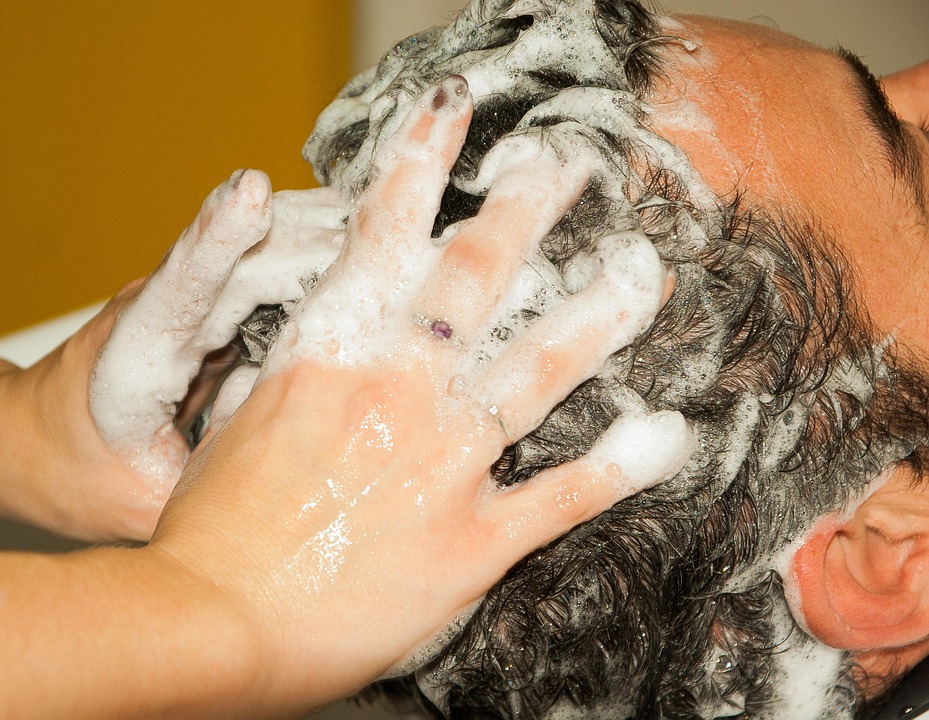
    1. Wet hair thoroughly and massage a generous amount of shampoo into the scalp (not just the hair).
    2. Leave the lather on for 3 to 5 minutes. This is critical for absorption.
    3. Rinse thoroughly.
    4. If your hair feels dry, follow up with a conditioner applied only to the ends of your hair to avoid re-clogging the scalp.

    Frequently Asked Questions

    How often should I use medicated shampoo for severe dandruff?

    During an active flare-up, most dermatologists recommend using a medicated shampoo 2 to 3 times a week. Once the dandruff is under control, you can switch to “maintenance mode” by using it once a week to prevent the fungus from returning.

    Can I use these shampoos on color-treated hair?

    Ketoconazole and Salicylic acid are generally safe for colored hair. However, Selenium Sulfide and Coal Tar can be quite harsh and may strip or tint your color. If you have dyed hair, look for “sulfate-free” dandruff options or consult your stylist before using coal tar.

    What if my dandruff doesn’t go away?

    If you have used a medicated shampoo consistently for 4 to 6 weeks with no improvement, you may have a condition other than simple dandruff, such as scalp psoriasis or an allergic reaction. In these cases, it is important to see a board-certified dermatologist for a professional diagnosis and potentially a prescription-strength topical steroid.

    Do I need to rotate different shampoos?

    Some people find that their scalp “gets used to” a specific ingredient over time (tachyphylaxis). If your favorite shampoo stops working, try rotating between two different active ingredients—for example, using Nizoral (Ketoconazole) on Mondays and Selsun Blue (Selenium Sulfide) on Thursdays.


    Topic: Best medicated shampoo for severe dandruff
    Tags: #Medicated #Shampoo #Severe #Dandruff #Top #Dermatologist #Picks
  • Best Conditioner for Itchy Scalp: 10 Expert-Approved Soothing Picks

    Best Conditioner for Itchy Scalp: 10 Expert-Approved Soothing Picks

    Dealing with an itchy scalp can be more than just a minor annoyance; it can be a persistent distraction that affects your confidence and comfort. While most people reach for a medicated shampoo to solve the problem, the conditioner you use plays an equally vital role. A high-quality soothing conditioner helps restore the scalp’s moisture barrier, calms inflammation, and ensures that your hair remains hydrated without triggering further irritation.

    Scalp pruritus (the medical term for itching) can stem from various causes, including seborrheic dermatitis, extreme dryness, or even product buildup. To find relief, you need a formula that balances active therapeutic ingredients with nourishing botanicals. In this guide, we break down the best expert-approved conditioners designed to soothe the itch and revitalize your hair health.

    What to Look for in a Soothing Conditioner

    When shopping for a conditioner specifically for scalp health, the ingredient list is your roadmap. Dermatologists generally recommend looking for three categories of ingredients:

    • Anti-Fungal & Anti-Microbial: Ingredient Education like Tea Tree Oil and Zinc Pyrithione target the yeast-like fungus (Malassezia) that often causes dandruff and itching.
    • Anti-Inflammatory: Aloe Vera, Colloidal Oatmeal, and Bisabolol help reduce redness and calm the “burning” sensation.
    • Exfoliants: Salicylic Acid helps break down flaky buildup so soothing ingredients can penetrate deeper.
    • Hydrators: Hyaluronic acid and Ceramides repair the skin barrier on the scalp, preventing the “tight” feeling of a dry scalp.

    10 Expert-Approved Conditioners for an Itchy Scalp

    1. Best Overall: Nizoral Deep Conditioning Treatment

    While Nizoral is famous for its anti-dandruff shampoo, its deep conditioning treatment is specifically formulated to follow medicated washes. It focuses on intense hydration without stripping the scalp. It is non-comedogenic and uses a blend of shea butter and mint to leave the scalp feeling refreshed and the hair manageable.

    2. Best for Sensitive Scalps: Eucerin DermoCapillaire Calming Treatment

    For those with a highly reactive scalp, Eucerin offers a urea-infused formula. Urea is a natural moisturizing factor that helps the skin retain water. This conditioner is fragrance-free and clinically proven to reduce itching from the very first application, making it ideal for those with atopic dermatitis or psoriasis.

    3. Best Natural Option: Briogeo Scalp Revival Charcoal + Peppermint

    This product is a favorite for those who prefer “clean” beauty. It utilizes Binchotan charcoal to draw out impurities and buildup from the hair follicles, while peppermint and spearmint oils provide an immediate cooling effect that kills the urge to scratch.

    4. Best Budget Pick: Head & Shoulders Clinical Itch Relief Conditioner

    Don’t overlook drugstore staples. The Clinical Strength line from Head & Shoulders contains active cooling agents and pH-balanced formulas that provide a protective layer over the scalp. It is an accessible, reliable option for daily use.

    5. Best for Intense Hydration: SheaMoisture African Black Soap Bamboo Charcoal Conditioner

    If your itchy scalp is accompanied by very dry or curly hair, you need a heavy hitter. This conditioner uses African Black Soap and Tea Tree oil to treat the scalp, while Cocoa Butter ensures your strands don’t become brittle.

    6. Best Luxury Pick: Philip Kingsley Flaky Scalp Mask/Conditioner

    Developed by world-renowned trichologists, this formula focuses on the scalp’s microbiome. It uses green tea extract for antioxidant protection and antimicrobial agents to clear up flakes without the medicinal smell often associated with scalp treatments.

    7. Best for Psoriasis: CeraVe Psoreasis Therapeutic Conditioner

    CeraVe is known for its ceramide-rich formulas. This conditioner includes Salicylic acid to help lift scales and essential ceramides to repair the damaged skin barrier. It is recognized by the National Psoriasis Foundation for its efficacy.

    8. Best Invigorating Formula: Paul Mitchell Tea Tree Special Conditioner

    The high concentration of tea tree oil in this conditioner provides a powerful antiseptic benefit. The “tingle” sensation is a hallmark of this product, letting you know it is actively stimulating blood flow and calming surface-level irritation.

    9. Best Clarifying: Aveeno Apple Cider Vinegar Blend

    Sometimes itching is caused by hard water minerals or styling product residue. This ACV-based conditioner rebalances the pH of your scalp and adds high shine to the hair, effectively “resetting” the scalp environment.

    10. Best for Flaky Buildup: Neutrogena T/Gel Therapeutic Conditioner

    For chronic scalp conditions, Neutrogena’s T/Gel line is a dermatological gold standard. The conditioner version helps maintain the progress made by the shampoo, using Neotar technology to control itching for hours after the shower.

    Pros & Cons of Scalp-Focused Conditioners

    Choosing a specialized conditioner involves trade-offs between scalp health and hair aesthetics. Below is a summary of what to expect:

    ProsCons
    Immediate relief from itching and burning sensations.Some medicated formulas may have a clinical or sulfur-like scent.
    Helps prevent “snowfall” flakes on shoulders.Heavy treatments can sometimes weigh down fine, thin hair.
    Balances the scalp pH to prevent future irritation.Active ingredients like salicylic acid can slightly fade color-treated hair.
    Promotes a healthier environment for hair growth.Often more expensive than generic moisturizing conditioners.

    How to Apply Conditioner for Maximum Scalp Relief

    Unlike standard conditioners that you only apply to the “mid-lengths to ends,” a soothing conditioner for an itchy scalp needs to make contact with the skin. Follow these steps for the best results:

    1. Rinse Thoroughly: Ensure all shampoo is removed, as leftover surfactant can cause more itching.
    2. Target the Scalp: Apply a quarter-sized amount directly to your fingertips and massage into the scalp using circular motions.
    3. Dwell Time: Most therapeutic conditioners need at least 3 to 5 minutes to penetrate the skin barrier. Do not rinse it off immediately.
    4. Cool Rinse: Rinse with lukewarm or cool water. Hot water can strip natural oils and trigger an inflammatory response, making the itch worse.

    Frequently Asked Questions

    Can I use an itchy scalp conditioner every day?

    Most soothing conditioners are gentle enough for daily use, especially those containing aloe or oatmeal. However, if the conditioner contains high levels of Salicylic Acid or Zinc Pyrithione, you may want to alternate it with a standard hydrating conditioner to avoid over-exfoliation.

    Is an itchy scalp a sign of hair loss?

    Not directly, but chronic scratching can lead to “traction” issues or inflammation that weakens the hair follicle. By treating the itch, you are creating a healthier environment that supports natural hair retention.

    What is the difference between dry scalp and dandruff?

    Dry scalp is caused by a lack of moisture (similar to dry skin on your arms), while dandruff is typically caused by an overgrowth of fungus and excess oil. If your flakes are small and white, it’s likely dry scalp. If they are large, yellowish, and oily, it’s likely dandruff.

    Should I avoid silicones if my scalp is itchy?

    For many, silicones can trap oils and sweat against the scalp, leading to “folliculitis” or increased itching. If you have a sensitive scalp, opting for silicone-free conditioners (like the Briogeo or SheaMoisture picks) is often a safer bet.

    When should I see a dermatologist?

    If you have tried over-the-counter soothing conditioners for two to three weeks with no improvement, or if you notice sores, crusting, or bleeding on the scalp, it is important to seek professional medical advice to rule out infections or more severe skin conditions.


    Topic: Best conditioner for itchy scalp
    Tags: #Conditioner #Itchy #Scalp #ExpertApproved #Soothing #Picks

  • Best Moisturizing Shampoo for Dry Scalp: Top 10 Dermatologist Picks

    Best Moisturizing Shampoo for Dry Scalp: Top 10 Dermatologist Picks

    An itchy, tight, and flaky scalp is more than just a minor annoyance; it can be a source of constant discomfort and social self-consciousness. While many people immediately reach for aggressive anti-dandruff treatments, the root cause is often not a fungus, but a lack of moisture. A dry scalp occurs when the skin loses its natural oils, leading to irritation and fine, white flakes.

    Choosing the right shampoo is the first line of defense in restoring your scalp’s barrier. Dermatologists emphasize that the goal should be twofold: gently cleansing away impurities without stripping essential lipids and delivering deep hydration directly to the stratum corneum (the outermost layer of the skin). Below, we explore the top dermatologist-recommended moisturizing shampoos designed to soothe irritation and revive your hair’s foundation.

    Understanding the Difference: Dry Scalp vs. Dandruff

    Before selecting a product, it is crucial to identify your specific condition. Dermatologists often see patients mistreating a dry scalp with harsh dandruff shampoos, which can actually worsen the problem.

    • Dry Scalp: Caused by low humidity, excessive washing, or harsh chemicals. The flakes are usually small, white, and dry. The skin feels tight and parched.
    • Dandruff (Seborrheic Dermatitis): Caused by an overgrowth of yeast-like fungus (Malassezia) and excess oil. The flakes are typically larger, yellow or oily, and may be accompanied by significant redness.

    If your scalp feels like the rest of your dry skin (arms, legs, face), a moisturizing shampoo is your best solution.

    Top 10 Dermatologist-Recommended Moisturizing Shampoos

    1. Neutrogena Hydro Boost Scalp Rice Water Shampoo

    Inspired by the popular Hydro Boost skincare line, this shampoo utilizes hyaluronic acid to bind moisture to the scalp. It is pH-balanced and free from sulfates, making it an excellent choice for those with sensitive skin who need a hydration surge without weight.

    2. Aveeno Scalp Soothing Oat Milk Blend Shampoo

    Oat is a legendary ingredient in dermatology for soothing inflammation. This formula uses colloidal oatmeal as its first ingredient, which acts as a prebiotic to support a healthy scalp microbiome while calming dryness-induced itchiness.

    3. Vanicream Gentle Shampoo

    For individuals with extreme sensitivities or contact dermatitis, Vanicream is the gold standard. It is free of dyes, fragrance, masking fragrance, lanolin, parabens, and formaldehyde releasers. It cleanses effectively while respecting the most compromised skin barriers.

    4. Briogeo Scalp Revival Charcoal + Coconut Oil Micro-Exfoliating Shampoo

    Sometimes, dry flakes need a gentle nudge to clear away so moisture can penetrate. This shampoo uses binchotan charcoal to draw out impurities and coconut oil to provide intense lipid replacement. The addition of peppermint oil provides a cooling sensation that relieves immediate itching.

    5. La Roche-Posay Kerium Extra Gentle Gel Shampoo

    Formulated with thermal spring water, this gel shampoo is designed for frequent use. It protects the scalp from the drying effects of “hard water” and restores the physiological balance of the skin, making it a favorite for those with fine hair and dry scalps.

    6. SheaMoisture Raw Shea Butter Moisture Retention Shampoo

    Ideal for those with curly, coily, or thick hair textures, this shampoo leverages the power of raw shea butter and sea kelp. It provides a heavy-duty moisture barrier that prevents trans-epidermal water loss (TEWL) during the washing process.

    7. Dove Dermacare Scalp Soothing Moisture Shampoo

    This is a rare hybrid that addresses both mild flaking and intense dryness. It contains Pyrithione Zinc to keep the scalp clear, but unlike traditional medicated shampoos, it is infused with “Oligo-Mu” complexes that deeply hydrate the skin fibers.

    8. Living Proof Restore Shampoo

    Dermatologists often recommend this for “distressed” scalps. It features a proprietary Healthy Hair Care Molecule (OFPMA) that creates a weightless shield around each strand and the scalp surface, locking in moisture and repelling dirt so you can wash less frequently.

    9. Eucerin DermoCapillaire Calming Urea Shampoo

    Urea is a natural moisturizing factor (NMF) already found in human skin. This clinical-grade shampoo is specifically designed for dry and itchy scalp conditions related to psoriasis or atopic dermatitis, providing immediate and long-lasting hydration.

    10. Redken All Soft Shampoo with Argan Oil

    Focusing on the lipid replenishment of both the scalp and the hair shaft, this professional formula uses an RCT Protein Complex and Argan oil to soften the skin and improve the elasticity of the hair, preventing the “brittle” feel associated with dryness.

    Key Ingredient Education to Look For

    When reading labels, dermatologists suggest looking for these specific “moisture-magnets”:

    IngredientPrimary BenefitBest For
    Hyaluronic AcidAttracts 1,000x its weight in waterDehydrated, tight scalps
    Colloidal OatmealAnti-inflammatory and soothingItching and redness
    CeramidesRepair skin barrierChronic dryness and peeling
    Argan/Coconut OilLipid replenishmentThick or textured hair
    UreaExfoliates and hydratesExtremely dry, scaly patches

    Pros and Cons of Moisturizing Shampoos

    Pros

    • Restores Scalp Barrier: Helps prevent the “tightness” felt after showering.
    • Reduces Frizz: Hydrated scalps lead to smoother hair cuticles.
    • Soothes Irritation: Most formulas contain anti-inflammatory agents like aloe or oat.
    • Long-term Health: A healthy scalp environment promotes better hair growth.

    Cons

    • Potential Weight: Some heavy oils (like shea or coconut) can weigh down very fine, oily-prone hair.
    • Build-up: If not rinsed thoroughly, moisturizing agents can accumulate on the hair shaft.
    • Not a Fungus Cure: If your flaking is caused by severe dandruff (fungus), a moisturizing-only shampoo may not be enough.

    How to Maximize Your Results

    Application technique is just as important as the product itself. Follow these expert tips:

    1. Use Lukewarm Water

    Hot water is a primary culprit for dry skin. It dissolves the natural oils (sebum) that protect your scalp. Stick to lukewarm temperatures to keep the moisture barrier intact.

    2. Focus on the Roots

    Apply the shampoo directly to the scalp and massage gently with your fingertips (never your nails). This stimulates blood flow and ensures the hydrating ingredients reach the skin.

    3. Don’t Over-Wash

    Washing your hair every day can strip the scalp. If you have a dry scalp, try extending the time between washes to 2-3 days, allowing your natural oils to lubricate the skin.

    Frequently Asked Questions (FAQ)

    Can a dry scalp cause hair loss?

    Indirectly, yes. While a dry scalp itself doesn’t cause the follicle to stop producing hair, the chronic inflammation and scratching associated with dryness can damage the hair shaft and lead to breakage or temporary thinning.

    How long does it take for a moisturizing shampoo to work?

    Most users feel a difference in scalp “tightness” after the first wash. However, it typically takes 2 to 4 weeks of consistent use to fully restore the skin barrier and see a significant reduction in flaking.

    Should I use a conditioner on my scalp?

    Generally, conditioners are designed for the hair shaft, not the skin. However, if your scalp is extremely dry, you can use a “scalp mask” or a conditioner specifically labeled as “safe for scalp” once a week. Otherwise, rely on your moisturizing shampoo for the skin and keep conditioner on the ends.

    Does diet affect scalp dryness?

    Yes. Dehydration and a lack of healthy fats (Omega-3 fatty acids) can manifest as dry skin on the scalp. Increasing your water intake and eating foods like salmon, walnuts, and flaxseeds can support the topical treatments you are using.

    Can I use moisturizing shampoo on color-treated hair?

    Most dermatologist-recommended moisturizing shampoos are sulfate-free, which makes them inherently safer for color-treated hair than traditional clarifying or dandruff shampoos. Always check the label for “color-safe” to be certain.


    Topic: Best moisturizing shampoo for dry scalp
    Tags: #Moisturizing #Shampoo #Dry #Scalp #Top #Dermatologist #Picks

  • Best Anti-Dandruff Shampoo for Color-Treated Hair: Top Expert Picks

    Best Anti-Dandruff Shampoo for Color-Treated Hair: Top Expert Picks

    Maintaining a vibrant hair color while battling an itchy, flaky scalp can feel like a losing game. Most traditional anti-dandruff shampoos are formulated with harsh surfactants like Sodium Lauryl Sulfate (SLS), which are excellent at stripping away oil and flakes but equally efficient at stripping away expensive salon color. This often leaves users choosing between a flake-free scalp or hair that looks dull and brassy.

    The good news is that hair care technology has evolved. Dermatologists and professional colorists now recommend specialized formulas that target the Malassezia fungus (the primary cause of dandruff) without lifting the hair cuticle and leaching out pigment. This guide explores the top expert-vetted picks that bridge the gap between scalp health and color longevity.

    Why Traditional Dandruff Shampoos Damage Colored Hair Care

    To understand why you need a specific “color-safe” anti-dandruff product, you have to look at the chemistry of the hair cuticle. When you color your hair, the cuticle is opened to deposit pigment and then sealed. Traditional dandruff shampoos often have a high pH level and contain heavy sulfates. These ingredients “blow open” the hair cuticle again, allowing the color molecules to wash right down the drain.

    Furthermore, many medicated shampoos lack the conditioning agents necessary to counteract the drying effects of active ingredients like Ketoconazole or Selenium Sulfide. For color-treated hair, which is already structurally compromised, this can lead to breakage and extreme frizz.

    Key Ingredient Education to Look For

    When shopping for a color-safe anti-dandruff solution, experts suggest looking for these specific ingredients that offer a balance of efficacy and gentleness:

    • Zinc Pyrithione: A classic antifungal that is generally gentler on the hair fiber than Selenium Sulfide.
    • Piroctone Olamine: Often found in high-end European formulations, this is highly effective against dandruff but much less irritating and drying than other actives.
    • Salicylic Acid: A BHA that chemically exfoliates the scalp to remove existing flakes without necessarily stripping the hair shaft.
    • Sulfate-Free Surfactants: Look for Sodium Lauroyl Methyl Isethionate or Decyl Glucoside, which cleanse the scalp without harshness.
    • Botanical Soothers: Ingredient Education like Aloe Vera, Tea Tree Oil, and Green Tea extract help calm inflammation.

    Top Expert Picks for Color-Treated Hair Care

    Based on ingredient profiles, professional performance, and user feedback, here are the top recommendations currently on the market.

    1. Best Luxury Pick: Oribe Serene Scalp Anti-Dandruff Shampoo

    Oribe is a favorite among stylists for a reason. This dermatologist-tested formula uses Salicylic Acid to treat dandruff while remaining completely sulfate-free. It is specifically designed to protect color and keratin treatments. The inclusion of pea sprout extract helps reduce hair breakage, making it ideal for those with bleached or double-processed hair.

    2. Best for Deep Cleansing: Briogeo Scalp Revival Charcoal + Coconut Oil

    If you prefer a more natural approach, Briogeo uses Binchotan charcoal to draw out impurities and Tea Tree oil to provide antimicrobial benefits. While it is technically a “micro-exfoliating” shampoo, it is highly effective for mild dandruff and safe for all chemically treated hair types. The coconut oil ensures the hair remains hydrated during the process.

    3. Best Professional Formula: Redken Scalp Relief Dandruff Control

    Redken’s formula features Zinc Pyrithione combined with their specialized “Interlock Protein Network.” This technology strengthens the hair fiber from within while the active ingredient works on the scalp. It provides a salon-quality clean that preserves the tonal integrity of professional hair color.

    4. Best Drugstore Value: L’Oréal EverPure Scalp Care + Detox

    You don’t always have to spend a fortune to get a color-safe formula. The EverPure line is 100% sulfate-free. Their scalp care variant uses Neem leaf to gently cleanse and soothe the scalp. While it is milder than medicated options, it is an excellent preventative choice for those with color-treated hair prone to seasonal dryness.

    Comparison of Top Picks

    ProductActive IngredientSulfate-Free?Best For
    Oribe Serene ScalpSalicylic AcidYesPremium care & brittle hair
    Briogeo Scalp RevivalTea Tree Oil / CharcoalYesNatural ingredients / Build-up
    Redken Scalp ReliefZinc PyrithioneYesSevere flaking & strength
    L’Oréal EverPureNeem LeafYesBudget-friendly / Daily use

    Pros & Cons of Color-Safe Anti-Dandruff Shampoos

    Pros

    • Maintains Vibrancy: Formulated specifically to prevent the premature fading of expensive dyes, particularly reds and cool blondes.
    • Scalp Health: Effectively reduces itching and visible flaking without causing secondary issues like extreme dryness.
    • Gentle Cleansing: Uses milder surfactants that respect the natural lipid barrier of the scalp.
    • Versatility: Most are safe for both color-treated and keratin-treated hair.

    Cons

    • Price Point: Higher-quality, color-safe formulas are often more expensive than standard drugstore dandruff shampoos.
    • Action Speed: Because they are gentler, some users find they need to use the product more consistently to see the same results as a harsh medicated shampoo.
    • Availability: Specialized professional formulas may only be available in salons or specific online retailers.

    Expert Tips for Using Anti-Dandruff Shampoos on Colored Hair Care

    To get the most out of your treatment while keeping your color fresh, follow these professional tips:

    Focus on the Roots

    Apply the shampoo directly to the scalp and massage it in thoroughly. Avoid scrubbing the mid-lengths and ends of your hair, where the color is most vulnerable. The suds that rinse down will be enough to clean the rest of the hair.

    Use Lukewarm Water

    Hot water is the enemy of hair color. It opens the cuticle significantly more than lukewarm water, making it easier for both the dandruff treatment and the pigment to escape. Always rinse with the coolest water you can tolerate.

    The “Double Wash” Method

    If you have a very oily scalp but dry, colored ends, try a double wash. Use your anti-dandruff shampoo only on the scalp for the first wash to target the fungus. For the second wash, use a moisturizing, color-protecting shampoo on the entire head.

    Frequently Asked Questions

    Will anti-dandruff shampoo strip my hair dye?

    Standard anti-dandruff shampoos containing sulfates and high pH levels can definitely strip hair dye. However, the specific products mentioned in this guide are formulated to be “color-safe,” meaning they use alternative surfactants that do not lift the hair cuticle as aggressively.

    How often should I use these shampoos?

    Most experts recommend using a medicated or specialized scalp shampoo 2 to 3 times per week until the dandruff is under control. Once the flakes have subsided, you can switch to once a week for maintenance, alternating with a standard color-safe moisturizing shampoo.

    Can I use a scalp scrub instead?

    Scalp scrubs are excellent for removing physical buildup from styling products or dry skin. However, if your dandruff is caused by Malassezia (seborrheic dermatitis), you likely need an active ingredient like Zinc Pyrithione or Tea Tree oil to treat the underlying fungal issue, rather than just scrubbing away the surface flakes.

    Should I use a specific conditioner?

    Yes. Always pair an anti-dandruff shampoo with a color-protecting conditioner. Apply the conditioner only from the mid-shaft to the ends to ensure you don’t clog the scalp pores you just cleaned, while still providing the hydration colored hair needs.


    Topic: Best anti-dandruff shampoo for color treated hair
    Tags: #AntiDandruff #Shampoo #ColorTreated #Hair Care #Top #Expert #Picks

  • 10 Best Hair Growth Serums for Black Hair: 2024 Expert-Tested Picks

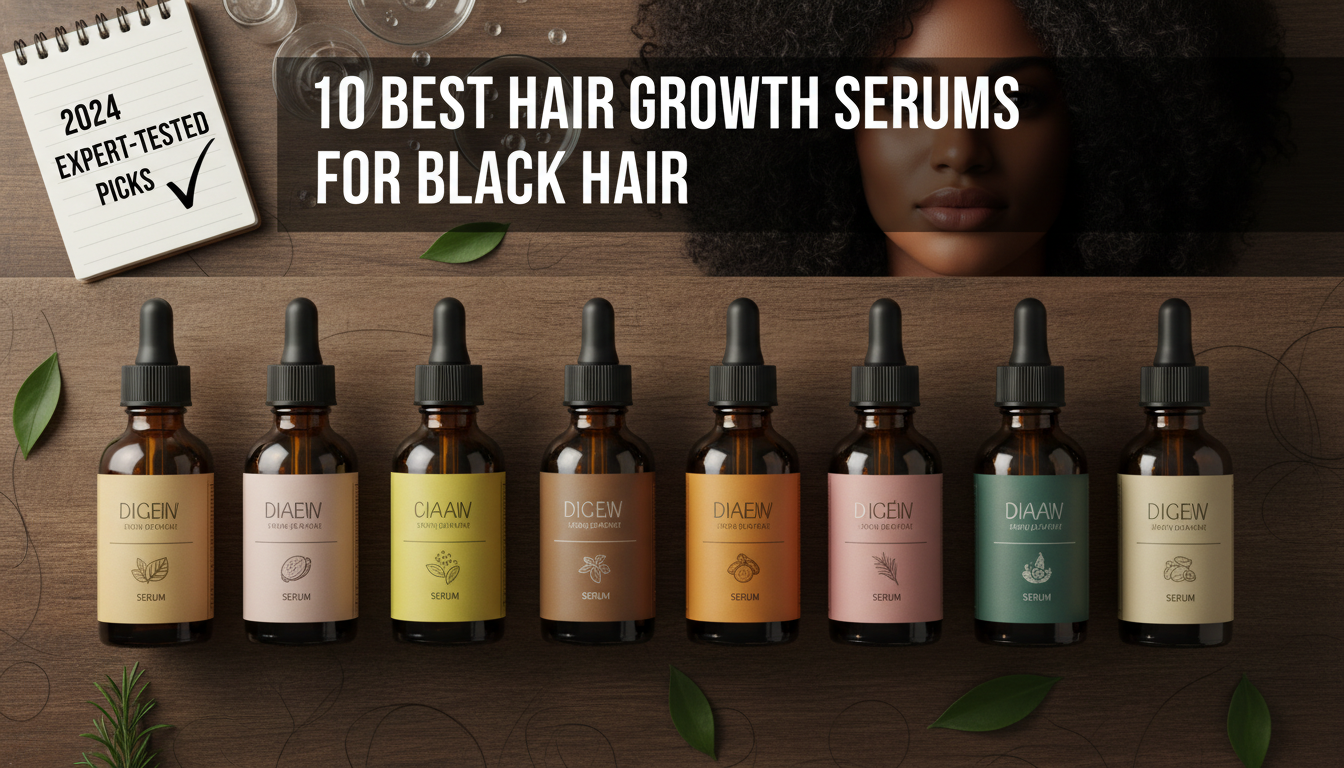
    10 Best Hair Growth Serums for Black Hair: 2024 Expert-Tested Picks

    Navigating the journey toward longer, thicker hair often feels like a marathon, particularly for those with textured, curly, or coily hair. Black hair is uniquely beautiful but also structurally delicate, requiring specific nutrients and moisture-rich formulas to thrive. Factors like tension from protective styles, scalp dryness, and hormonal changes can often lead to thinning edges or stagnant growth.

    A high-quality hair growth serum isn’t just about “magic” in a bottle; it’s about creating the optimal environment for the scalp to function at its best. By stimulating blood flow, blocking DHT (a hormone linked to hair loss), and providing essential hydration, the right serum can transform your hair care routine. We have curated and tested the ten best hair growth serums specifically formulated to address the needs of Black hair in 2024.

    Understanding the Needs of Black Hair Care and Scalp Health

    Black hair typically has a more elliptical follicle shape, which makes it harder for natural scalp oils (sebum) to travel down the hair shaft. This leads to dryness and potential breakage. When looking for a growth serum, it is crucial to find a balance between stimulating active ingredients and nourishing carriers that won’t clog pores or cause buildup.

    Key Ingredient Education to Look For

    • Rosemary Oil: Often compared to minoxidil in its efficacy for increasing blood circulation to the scalp.
    • Peptides: Small proteins that help strengthen the hair follicle and improve hair density.
    • Castor Oil: Rich in ricinoleic acid, it helps lock in moisture and has anti-inflammatory properties.
    • Biotin: A B-vitamin that supports the production of keratin.
    • Caffeine: Known to extend the “anagen” (growth) phase of the hair cycle.

    10 Best Hair Care Growth Serums for Black Hair Care: 2024 Top Picks

    Product NameKey BenefitBest For
    Mielle Rosemary Mint Scalp & Hair Care OilAffordable & EffectiveProtective Styles & Edges
    Vegamour GRO Hair Care SerumPlant-Based/VeganThinning & Shedding
    Pattern Beauty Scalp SerumSoothing & HydratingDry, Itchy Scalp
    The Ordinary Multi-Peptide SerumScientific ApproachOverall Density
    The Mane Choice Multi-Vitamin SerumNutrient DenseSlow Growth
    Camille Rose Rejuvenating SerumAyurvedic BlendBreakage Prevention
    CURLS Blueberry Bliss Scalp TreatmentBioactive Ingredient EducationStimulating Follicles
    Briogeo Destined for DensityCaffeine-InfusedFine or Thinning Texture
    Shedavi Hair Care Growth OilHolistic/HerbalLength Retention
    Nioxin System 4 Scalp ReliefClinical StrengthSevere Thinning

    1. Mielle Organic Beautys Rosemary Mint Scalp & Hair Care Oil

    This viral sensation remains a top pick for 2024. Infused with biotin and over 30 essential oils, it is particularly effective for those wearing braids or weaves. The cooling sensation of mint provides instant relief to a tight scalp while rosemary works to invigorate the follicles.

    2. Vegamour GRO Hair Care Serum

    Vegamour uses phyto-actives to revitalize hair roots. For Black women experiencing shedding due to stress or postpartum changes, this serum is a game-changer. It is water-based, meaning it won’t leave a greasy residue on your silk press or curls.

    3. Pattern Beauty Scalp Serum

    Designed by Tracee Ellis Ross specifically for textures 3B to 4C, this serum focuses on scalp wellness. It features peppermint, rosemary, and lavender oils. It’s a “breath of fresh air” for a dry scalp, reducing inflammation that can hinder growth.

    4. The Ordinary Multi-Peptide Serum for Hair Care Density

    If you prefer a science-forward, lightweight formula, this is it. It contains REDENSYL and Procapil, which target the stem cells and human fibroblasts from the dermal papilla to improve hair density without the heavy feel of traditional oils.

    5. The Mane Choice Multi-Vitamin Scalp Nourishing Growth Oil

    This product is packed with Vitamins A, C, D, and E. It is heavy enough to seal in moisture for 4C hair types but formulated to be absorbed quickly enough to stimulate the scalp without causing “itchy” buildup.

    How to Apply Serums for Maximum Results

    Consistency is the most important factor when using a growth serum. To see real results, follow these expert tips:

    1. Target the Scalp, Not the Hair Care: Focus the product directly on the skin. Use a dropper or your fingertips to ensure the product reaches the follicles.
    2. The 4-Minute Massage: After application, massage your scalp in circular motions for at least four minutes. This manual stimulation increases blood flow, helping the serum penetrate deeper.
    3. Use on Damp Scalp: While many serums can be used on dry hair, applying them to a clean, slightly damp scalp after washing can sometimes improve absorption.
    4. Avoid Overloading: A few drops go a long way. Using too much product can lead to clogged pores (folliculitis), which can actually inhibit hair growth.

    Pros and Cons of Using Hair Care Growth Serums

    Pros and Cons

    Pros

    • Targeted Treatment: Allows you to focus on specific problem areas like thinning edges or the crown.
    • Scalp Health: Most serums include anti-fungal or anti-inflammatory ingredients that reduce dandruff.
    • Improved Texture: Regular use often results in softer, more manageable new growth.
    • Versatility: Most can be used while wearing protective styles.

    Cons

    • Time Investment: Results typically take 3 to 6 months of daily or consistent use.
    • Potential for Buildup: Oil-based serums may require more frequent clarifying washes.
    • Cost: High-end clinical serums can be expensive over time.

    Frequently Asked Questions

    How long does it take to see results from a growth serum?

    Hair Care typically grows about half an inch per month. Most users begin to see noticeable “baby hairs” or increased density after 90 days of consistent application. Patience and a regular routine are essential.

    Can I use these serums while wearing braids?

    Yes. In fact, using a serum while in braids is highly recommended to keep the scalp hydrated and to prevent tension-related hair loss. Look for serums with a dropper or a pointed nozzle for easy access between the braids.

    Do I need to wash my hair more often when using a serum?

    If you are using an oil-based serum (like Mielle or Camille Rose), you should use a clarifying shampoo every 1–2 weeks to prevent buildup. Water-based serums (like The Ordinary or Vegamour) usually do not require more frequent washing.

    Is it better to apply serum at night or in the morning?

    Nighttime application is often preferred. During sleep, the body undergoes a repair process, and the serum has several hours to absorb without being disturbed by styling products or environmental pollutants.

    Will these serums help with traction alopecia?

    Serums can help stimulate follicles that are dormant, but they cannot “regrow” hair in areas where the follicle has been permanently scarred. For early-stage traction alopecia, these serums can be very effective when combined with low-tension styling.

    Expert Final Thoughts

    Choosing the best hair growth serum for Black hair requires understanding your specific scalp needs. Whether you choose a botanical oil blend or a clinical peptide solution, the key is the health of the scalp. By combining these top-rated products with a healthy diet and low-manipulation styling, you can maximize your hair’s natural growth potential in 2024.


    Topic: Best hair growth serums for black hair
    Tags: #Hair Care #Growth #Serums #Black #Hair Care #ExpertTested #Picks

  • 10 Best Hair Growth Oils for Bald Spots 2026: Dermatologist Picks

    10 Best Hair Growth Oils for Bald Spots 2026: Dermatologist Picks

    Noticing a thinning patch or a defined bald spot can be a distressing experience. Whether it’s caused by stress, tight hairstyles (traction alopecia), or hormonal shifts, the search for a solution often leads to the vast world of hair growth oils. However, not all oils are created equal. In 2026, the intersection of botanical wisdom and dermatological science has refined our understanding of which extracts actually penetrate the scalp to stimulate follicles.

    While oils are rarely a “miracle cure” for total baldness, they play a critical role in scalp health, blood circulation, and follicle revitalization. Dermatologists emphasize that the best results come from oils that address the root causes of thinning: inflammation, DHT sensitivity, and poor microcirculation. Below, we explore the top-rated hair growth oils for bald spots currently recommended by experts.

    How Hair Care Growth Oils Target Bald Spots

    To understand why certain oils work, it is important to understand the hair growth cycle. A bald spot often occurs when follicles enter a prolonged “Telogen” (resting) phase or suffer from “miniaturization” due to DHT (dihydrotestosterone). Effective oils work through three primary mechanisms:

    • Stimulating Blood Flow: Increasing oxygen and nutrient delivery to the bulb.
    • DHT Blocking: Inhibiting the enzymes that shrink hair follicles.
    • Scalp Environment: Reducing fungal growth and inflammation that can choke the hair root.

    10 Best Hair Care Growth Oils for Bald Spots in 2026

    Oil Type / BrandPrimary Active IngredientBest For
    Rosemary Essential OilCineole / Rosmarinic AcidAndrogenetic Alopecia (Thinning)
    Pumpkin Seed OilPhytosterolsDHT Blocking
    Jamaican Black Castor OilRicinoleic AcidTraction Alopecia & Thickness
    Peppermint Oil BlendsMentholIncreasing Microcirculation
    The Ordinary Multi-PeptideRedensyl / ProcapilDensity & Scalp Health
    Mielle Rosemary MintBiotin & RosemaryAffordable Daily Growth
    Vegamour GRO Hair Care SerumMung Bean / Red CloverPlant-based Revitalization
    Nutrafol Hair Care SerumAshwagandha ExosomesStress-related Thinning
    Amla (Gooseberry) OilVitamin C / AntioxidantsStrengthening Fragile Strands
    Jojoba & Cedarwood BlendCedrolAlopecia Areata Support

    1. Rosemary Essential Oil (Clinical Strength)

    In 2026, Rosemary oil remains the gold standard of natural hair growth. Clinical studies have shown that 2% rosemary oil can be as effective as 2% Minoxidil over a six-month period, with significantly less scalp itching. It works by improving cellular turnover and vascularity.

    2. Cold-Pressed Pumpkin Seed Oil

    Dermatologists often recommend pumpkin seed oil for those experiencing male or female pattern baldness. It acts as a natural DHT blocker, preventing the hormone from binding to the follicles and causing them to shrink.

    3. Jamaican Black Castor Oil (JBCO)

    Unlike regular castor oil, the “black” version is processed by roasting the beans, creating an alkaline ash that increases blood flow. It is incredibly viscous, making it excellent for localized treatment of bald spots caused by tension or dryness.

    4. Peppermint Oil (Menthol Infused)

    Peppermint oil induces a cooling sensation that is more than just refreshing. The menthol acts as a vasodilator. Research suggests that peppermint oil can increase the number and depth of hair follicles during the Anagen (growth) phase.

    5. The Ordinary Multi-Peptide Serum for Hair Care Density

    While technically a water-based serum containing oils, this formulation has become a dermatologist favorite for its use of Redensyl and Capixyl. It targets the stem cells of the hair follicle to encourage new growth in stubborn areas.

    6. Mielle Rosemary Mint Scalp & Hair Care Strengthening Oil

    A viral sensation for a reason, this oil combines over 30 essential oils and nutrients. Its high Biotin content supports the keratin structure of the new hair emerging from previously bald patches.

    7. Vegamour GRO Hair Care Serum

    Vegamour utilizes phyto-actives to inhibit DHT and increase the length of the hair cycle. It is particularly effective for those looking for a vegan, residue-free option that can be used daily without making the hair look greasy.

    8. Nutrafol Strand Defender & Growth Serum

    Nutrafol has pioneered the use of “exosomes” in hair care. Their serum focuses on the scalp microbiome, ensuring that the environment is primed for growth. It is ideal for those whose thinning is linked to environmental stressors.

    9. Amla (Indian Gooseberry) Oil

    Amla is a staple in Ayurvedic medicine. It is exceptionally high in Vitamin C and tannins, which protect the hair shaft and stimulate the scalp. It is often used to treat patchy hair loss and premature greying.

    10. Jojoba and Cedarwood Blend

    Cedarwood oil has been studied specifically for its impact on Alopecia Areata. When diluted in Jojoba oil (which mimics the scalp’s natural sebum), it helps regulate oil production while stimulating dormant follicles.

    Pros and Cons of Using Oils for Bald Spots

    Pros

    • Natural Ingredient Education: Most oils are free from the harsh chemicals found in some pharmaceutical treatments.
    • Scalp Health: Oils provide deep hydration, reducing dandruff and inflammation which can hinder growth.
    • Cost-Effective: Many high-quality oils are more affordable than long-term prescription medications.
    • Ease of Use: Can be easily integrated into a nighttime routine or used for scalp massages.

    Cons

    • Time Commitment: Results typically take 3 to 6 months of consistent, daily application.
    • Greasy Texture: Some oils (like Castor) are very heavy and may require frequent hair washing.
    • Potential Irritation: Essential oils are potent and must be diluted properly to avoid “contact dermatitis.”
    • Variable Efficacy: Natural oils may not be strong enough for advanced, permanent scarring alopecia.

    How to Correctly Apply Oil to Bald Spots

    Application technique is just as important as the product itself. Follow these dermatologist-approved steps:

    1. The Scalp Massage

    Apply 3–5 drops of the oil directly to the bald spot. Use your fingertips to perform a circular massage for at least 5 minutes. This mechanical stimulation “wakes up” the blood vessels around the follicle.

    2. The Inversion Method

    Some users find success by hanging their head slightly below their heart level while massaging the scalp to further increase blood flow to the crown.

    3. Consistency is Key

    Follicles do not regenerate overnight. You must apply the treatment at least 3–4 times a week for a minimum of 90 days to see visible “peach fuzz” (vellus hair) turning into terminal hair.

    When to See a Professional

    If you notice sudden, circular patches of hair loss, or if the scalp appears scarred, shiny, and smooth, it is crucial to consult a dermatologist. These can be signs of autoimmune conditions or scarring alopecia that require medical-grade interventions like corticosteroid injections or prescription-strength minoxidil/finasteride combinations.

    Frequently Asked Questions

    Can hair oils regrow hair on a completely smooth bald spot?

    If the follicle is still alive (dormant), oils can help stimulate growth. However, if the area is scarred and the follicles have closed completely, topical oils are unlikely to regrow hair. In these cases, a hair transplant may be the only permanent solution.

    How long does it take to see results?

    Hair Care grows at a rate of about half an inch per month. Most users report seeing fine, new hairs within 12 to 16 weeks of consistent use. Patience and consistency are the most important factors.

    Do I need to wash the oil out?

    It depends on the oil. Light serums like Vegamour or The Ordinary are designed to be left in. Heavier oils like Castor or Mielle should be left on for at least 30 minutes (or overnight) and then washed out to prevent clogged pores (folliculitis).

    Is Rosemary oil better than Minoxidil?

    Rosemary oil is a great natural alternative with fewer side effects (like scalp redness or unwanted facial hair). However, for severe genetic balding, Minoxidil is generally considered more potent. Many people in 2026 use a “hybrid” approach, using both under medical supervision.


    Topic: Best hair growth oils for bald spots 2026
    Tags: #Hair Care #Growth #Oils #Bald #Spots #Dermatologist #Picks