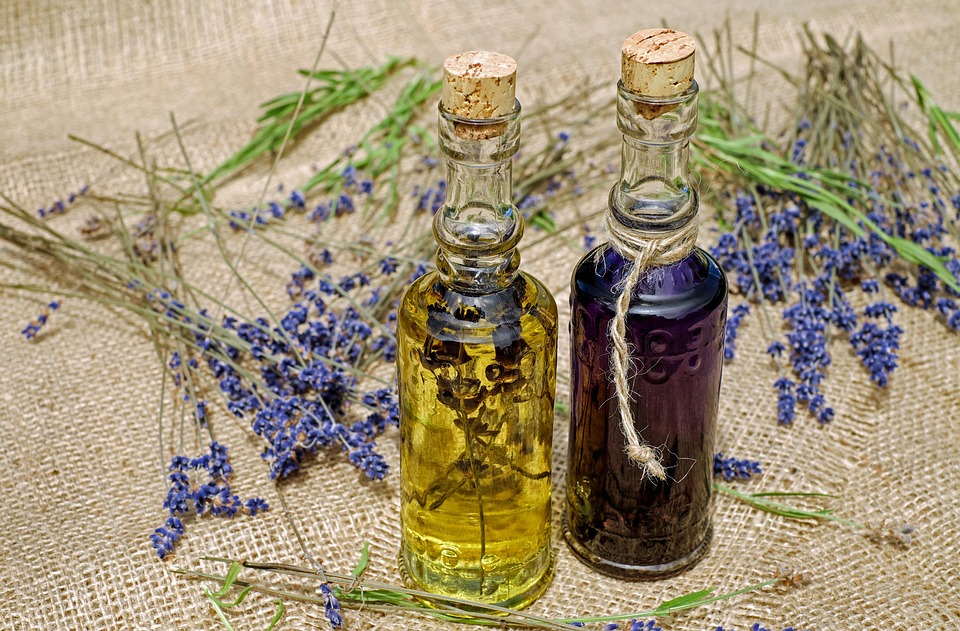
Dealing with a dry, flaky scalp can be more than just a cosmetic nuisance; it is often a source of persistent itching and discomfort. While many reach for harsh clarifying shampoos, the secret to long-term relief often lies in restoration rather than stripping. Natural oils, when used correctly, can mimic the scalp’s sebum, lock in moisture, and provide the essential fatty acids needed to repair a compromised skin barrier.
However, not all oils are created equal. Depending on whether your flakes are caused by simple dehydration or an overgrowth of yeast (dandruff), the oil you choose matters significantly. This guide explores the most effective, dermatologist-recommended oils to soothe irritation and restore your scalp health.
Understanding the Root Cause: Dry Scalp vs. Dandruff
Before selecting an oil, it is crucial to distinguish between a dry scalp and seborrheic dermatitis (dandruff). Applying heavy oils to a scalp suffering from fungal-related dandruff can sometimes exacerbate the issue, as certain yeasts feed on specific fatty acids.
- Dry Scalp: Caused by a lack of moisture. Flakes are usually small, white, and dry. The skin feels tight.
- Dandruff: Caused by an overgrowth of Malassezia yeast or excess oil. Flakes are typically larger, yellow or oily, and accompanied by redness.
The 8 Best Oils for a Dry, Flaky Scalp
The following oils have been selected based on their molecular structure, nutrient profile, and ability to penetrate or seal the scalp’s epidermis effectively.
1. Tea Tree Oil (The Antifungal Powerhouse)
Tea tree oil is perhaps the most well-known essential oil for scalp health. It contains terpinen-4-ol, a compound with potent antimicrobial and antifungal properties. If your flaking is tied to fungal activity or mild dandruff, tea tree oil helps reduce the microbial load while calming inflammation.
How to use: Never apply it neat. Mix 2–3 drops into a carrier oil like jojoba or add it directly to your shampoo.
2. Fractionated Coconut Oil (The Deep Hydrator)
Coconut oil is unique because of its high lauric acid content, which allows it to penetrate the hair shaft and the top layers of the skin more effectively than most oils. It acts as a powerful emollient, smoothing down skin cells that are peeling away.
Note: Use “fractionated” coconut oil if you prefer a lighter, liquid consistency that won’t clog pores as easily as the solid, raw version.
3. Jojoba Oil (The Sebum Mimicker)
Technically a liquid wax ester, jojoba oil is chemically very similar to the human sebum produced by our sebaceous glands. This makes it highly biocompatible. It helps regulate oil production and provides a breathable moisture barrier that doesn’t feel overly greasy or heavy.
4. Argan Oil (The Antioxidant Specialist)
Often referred to as “liquid gold,” argan oil is rich in Vitamin E and antioxidants. For a flaky scalp caused by environmental stressors or heat damage, argan oil provides a soothing coating that reduces oxidative stress on the skin cells, promoting a faster healing process.
5. Peppermint Oil (The Itch Reliever)
If your flaky scalp is accompanied by an intense itch, peppermint oil is a game-changer. The menthol provides a cooling sensation that “distracts” the nerves from the itching sensation. Furthermore, it promotes blood flow to the scalp, which can aid in nutrient delivery to the hair follicles.
6. Sweet Almond Oil (The Gentle Soother)
Sweet almond oil is an excellent choice for those with sensitive skin. It is high in zinc and Vitamin A, which are essential for skin repair. Its lightweight texture makes it easy to wash out, ensuring you don’t leave behind a residue that could lead to further irritation.
7. Rosemary Oil (The Scalp Rejuvenator)
While often cited for hair growth, rosemary oil has significant anti-inflammatory benefits. It helps improve circulation and has mild antiseptic properties, making it an excellent preventative treatment to keep the scalp environment balanced and flake-free.
8. Castor Oil (The Intense Barrier)
Castor oil is thick and rich in ricinoleic acid. It is best suited for those with extremely dry, “cracked” scalp conditions. Because of its density, it acts as an occlusive, meaning it prevents any moisture from escaping the skin. It is best used as a pre-shampoo treatment.
Comparison of Top Oils by Benefit
| Oil Type | Primary Benefit | Best For |
|---|---|---|
| Tea Tree | Antifungal / Antimicrobial | Dandruff & Itch |
| Jojoba | Balancing / Mimics Sebum | General Dryness |
| Coconut | Deep Penetration | Severe Flaking |
| Peppermint | Cooling / Circulation | Itchy Scalp |
Pros and Cons of Using Oils for Scalp Care
Pros
- Natural Ingredient Education: Most oils are free from synthetic fragrances and harsh preservatives that can further irritate the skin.
- Cost-Effective: A single bottle of high-quality carrier oil can last for months.
- Versatility: These oils can often double as hair length treatments or skin moisturizers.
- Scalp Barrier Repair: Oils provide the lipids necessary to seal the skin barrier, preventing “transepidermal water loss.”
Cons
- Potential for Buildup: If not washed out thoroughly, oils can mix with dead skin cells and create “cradle cap” like scales in adults.
- Risk of Clogged Pores: Heavy oils (like castor or olive) can be comedogenic for some individuals, leading to scalp acne.
- Essential Oil Sensitivity: Essential oils (tea tree, peppermint) are highly concentrated and can cause chemical burns if not properly diluted.
Expert Tips for Application
To get the most out of your scalp oil treatment without ending up with greasy hair, follow these professional guidelines:
- Section the Hair Care: Always apply oil directly to the skin, not just the hair. Use a comb to create sections.
- Massage Gently: Use your fingertips (not nails) to massage the oil in for 3–5 minutes. This increases blood flow and helps the oil penetrate.
- The “Warmth” Factor: Applying slightly warmed oil (not hot!) can help soften flakes, making them easier to wash away.
- Double Cleanse: When removing the oil, you may need to shampoo twice. Apply the first round of shampoo directly to the oiled scalp before wetting it significantly to help break down the oil.
Frequently Asked Questions
How often should I oil my scalp for dryness?
For most people, once or twice a week is sufficient. Oiling every day can lead to buildup and may actually attract more dirt and pollutants to your scalp.
Can I leave oil on my scalp overnight?
Yes, you can leave carrier oils like jojoba or argan overnight. However, if you are using a blend with essential oils (like tea tree), limit the treatment to 30–60 minutes to avoid potential irritation.
Will oiling my scalp cause more hair loss?
No, when done correctly, it can actually support hair growth by creating a healthy environment. However, vigorous scrubbing or leaving heavy oils on for too long (causing folliculitis) can lead to temporary shedding.
Should I apply oil to a wet or dry scalp?
It is generally best to apply oil to a dry or slightly damp scalp. If the scalp is soaking wet, the water may act as a barrier, preventing the oil from reaching the skin effectively.
Is olive oil good for a flaky scalp?
While olive oil is moisturizing, many dermatologists advise caution. Olive oil is high in oleic acid, which can actually promote the growth of the yeast that causes dandruff in some individuals. Jojoba or squalane are often safer alternatives.
—
Topic: Best oils for dry flaky scalp
Tags: #Oils #Dry #Flaky #Scalp #DermatologistRecommended #Relief