Tag: Care

  • 10-Step Korean Hair Care Routine: Your Ultimate Guide to Glass Hair

    10-Step Korean Hair Care Routine: Your Ultimate Guide to Glass Hair

    In the world of beauty, the term “glass hair” has become the ultimate gold standard. Much like the “glass skin” trend that preceded it, glass hair refers to a look that is exceptionally smooth, incredibly shiny, and seemingly translucent. While it may look like the result of a heavy-handed silicone serum, the true Korean approach to glass hair is rooted in “the skinification of hair”—treating your scalp with the same level of care, exfoliation, and hydration as you do your face.

    The 10-step Korean hair care routine is not about doing every step every single day. Instead, it is a comprehensive philosophy designed to optimize scalp health and hair integrity. By focusing on the foundation—the scalp—you ensure that the hair growing out is resilient, glossy, and healthy from the inside out.

    The Core Philosophy: Scalp Care is Self-Care

    K-beauty experts believe that you cannot have beautiful hair without a healthy scalp. Think of the scalp as the soil and your hair as the plant. If the soil is dry, clogged, or neglected, the plant will never thrive. The Korean routine focuses on deep cleansing, pH balancing, and intense nourishment to achieve that signature reflective shine.

    Step 1: Scalp Scaling (The Weekly Exfoliation)

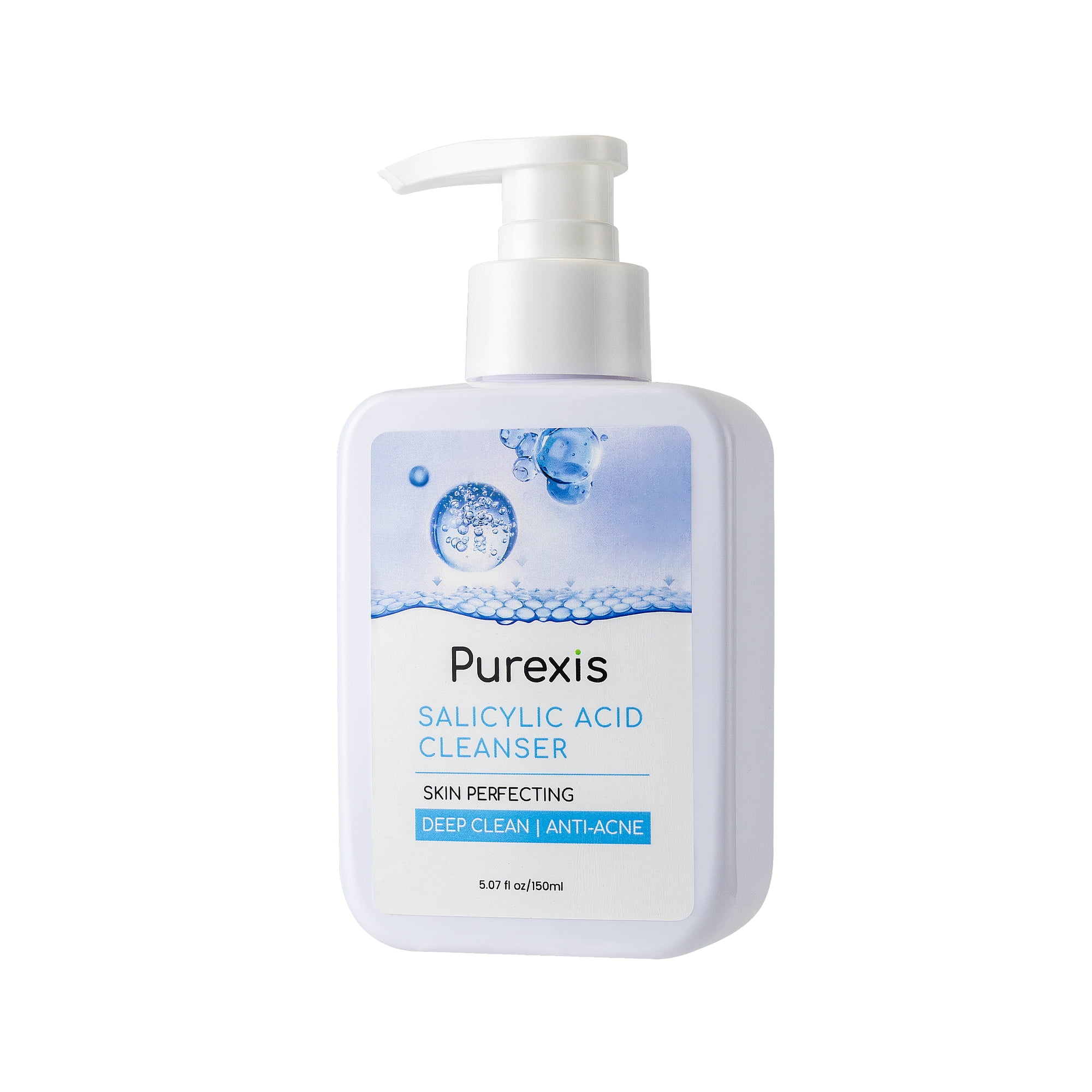
    Just as you exfoliate your face to remove dead skin cells, your scalp requires “scaling.” Scalp scalers are typically salicylic acid-based treatments or physical exfoliants containing sea salt. This step removes product buildup, excess sebum, and dandruff that regular shampoo cannot reach.

    • How to do it: Apply to a dry or slightly damp scalp before shampooing once a week. Massage gently and rinse.
    • Why it works: It clears the hair follicles, allowing for better absorption of subsequent treatments.

    Step 2: Double Cleansing (The Shampoo)

    Korean hair care often utilizes a double-cleanse method, especially if you use styling products or have an oily scalp. The first wash breaks down oils, while the second wash actually cleanses the skin and hair fibers.

    Look for sulfate-free formulas that match your scalp type. If you have a sensitive scalp, choose a formula with tea tree or cica. For dry hair, look for honey or argan oil infusions.

    Step 3: Scalp Massage and Circulation

    While shampooing, don’t just scrub and rinse. Use your fingertips or a silicone scalp brush to perform a rhythmic massage. This increases blood flow to the hair follicles, which delivers oxygen and essential nutrients to the roots.

    Pro Tip: Spend at least two minutes on this step. It’s the easiest way to promote faster, thicker hair growth without spending extra money on products.

    Step 4: The Targeted Conditioner

    Conditioning in the Korean routine is strictly for the mid-lengths and ends of the hair. Applying conditioner to the scalp can weigh down the hair and clog pores. The goal here is to seal the cuticle, which was opened during the warm water wash, to lock in moisture.

    Step 5: The Hair Care Mask or Treatment (The “Clinic” Step)

    In Korea, “hair clinics” are professional salon treatments. You can replicate this at home using a deep-repair mask or a “hair pack.” These products are formulated with high concentrations of proteins (like keratin or silk amino acids) and ceramides to repair the internal structure of the hair.

    Hair Care TypeRecommended Ingredient EducationFrequency
    Damaged/BleachedCeramides, Keratin, Collagen2-3 times per week
    Fine/ThinBiotin, Rice ProteinOnce a week
    Dry/FrizzyShea Butter, Camellia OilEvery other wash

    Step 6: The Vinegar Rinse (The pH Balancer)

    This is the “secret sauce” of the Korean routine. Our hair and scalp are naturally acidic (around pH 4.5 to 5.5). Many shampoos are alkaline, which causes the hair cuticle to lift, leading to frizz and dullness. A diluted apple cider vinegar rinse or a specialized Korean vinegar treatment flattens the cuticle instantly, creating that “glass” reflection.

    Step 7: Scalp Tonic or Serum

    Once you exit the shower, the focus returns to the scalp. A scalp tonic is a leave-in liquid treatment, often featuring menthol or peppermint for a cooling effect. It balances the scalp’s moisture levels and prevents it from becoming too oily or too dry throughout the day.

    Step 8: Hair Care Essence or Serum

    While your hair is still damp, apply a hair essence. In the Korean hierarchy of products, an essence is lighter than an oil but more concentrated than a leave-in conditioner. It provides a layer of hydration that prevents the hair from snapping during the drying process.

    Step 9: Heat Protection and Blow Drying

    To achieve glass hair, the drying technique is as important as the products. Always apply a heat protectant. When blow-drying, use a nozzle attachment and point the airflow downward from the roots to the ends. This ensures the cuticles lie flat and reflect light like a mirror.

    Step 10: The Finishing Oil or Overnight Mask

    The final step is all about protection. A tiny drop of camellia or argan oil on the very tips of your hair adds a final punch of shine. On non-wash days, many Koreans use a “hair sleeping mask” to repair the hair while they sleep, ensuring they wake up with zero frizz.

    Pros and Cons of the 10-Step Routine

    Pros

    • Superior Scalp Health: Dramatically reduces dandruff, itchiness, and oiliness.
    • Incredible Shine: The focus on pH balance and cuticle sealing creates a “glass” effect that’s hard to achieve with styling alone.
    • Long-term Repair: Rather than masking damage with silicones, this routine focuses on structural integrity.
    • Customizable: You can swap steps in and out based on your specific hair needs.

    Cons

    • Time Consuming: Performing all steps can add 20–30 minutes to your shower routine.
    • Initial Cost: Purchasing ten different high-quality products can be an investment.
    • Risk of Over-conditioning: Fine hair may feel weighed down if the wrong products are used.

    Frequently Asked Questions

    Do I really need to do all 10 steps every day?

    No. Scalp scaling and hair masks should only be done 1–2 times a week. The daily routine usually consists of shampoo, conditioner, scalp tonic, and essence. Think of the 10-step routine as a weekly “deep dive” for your hair health.

    Can I achieve glass hair if I have curly or coily hair?

    Absolutely. While the “glass” look is most prominent on straight hair, the principles of the Korean routine—deep hydration and cuticle sealing—will result in incredibly defined, shiny, and frizz-free curls. The focus for curly hair should be on steps 5 (Masks) and 8 (Essence).

    What is the most important step for shine?

    The Vinegar Rinse (Step 6). By lowering the pH of the hair, you force the cuticle to close. A closed cuticle is smooth, and a smooth surface reflects light, which is exactly what creates the glass hair effect.

    Will this routine make my hair greasy?

    If done correctly, it should actually help regulate oil. By properly hydrating the scalp with tonics and essences, your scalp won’t feel the need to produce excess sebum to compensate for dryness. However, always ensure you are rinsing thoroughly and avoiding heavy conditioners on the roots.

    Is Korean hair care safe for color-treated hair?

    Yes, most Korean hair care products are very gentle. In fact, the focus on repairing the hair’s protein structure and sealing the cuticle can actually help your hair color last longer and look more vibrant.


    Topic: Korean hair care routine 10 steps
    Tags: #10Step #Korean #Hair Care #Care #Routine #Ultimate #Guide #Glass #Hair Care

  • Best Hair Care Routine for Frizzy Hair: 7 Expert Steps to Smooth Hair

    Best Hair Care Routine for Frizzy Hair: 7 Expert Steps to Smooth Hair

    Frizz is more than just a bad hair day; it is often a biological signal that your hair is parched and seeking moisture from the atmosphere. When the outermost layer of your hair, the cuticle, raises to let in moisture from humid air, the hair shaft swells, leading to that familiar fuzzy texture. While genetics and hair type play a role, the way you handle your strands daily determines whether they stay sleek or turn unruly.

    Mastering a routine for frizzy hair isn’t about using the most expensive products; it is about choosing the right ingredients and techniques to seal the cuticle and lock in hydration. This guide breaks down a professional-grade, seven-step routine designed to transform dry, flyaway-prone hair into a smooth, manageable mane.

    Step 1: Start with a Sulfate-Free, Hydrating Cleanser

    The foundation of smooth hair begins in the shower. Most traditional shampoos contain harsh sulfates (like Sodium Lauryl Sulfate) that strip away natural oils, leaving the hair alkaline and the cuticle open. For frizzy hair, you need a “low-poo” or sulfate-free formula rich in humectants.

    Look for ingredients like glycerin, which penetrates the hair fiber and hydrates from the inside out. When washing, focus the product only on the scalp to remove excess sebum, allowing the suds to gently rinse through the ends without over-drying them.

    Step 2: Condition with Purpose

    Conditioning is non-negotiable for frizz control. A high-quality conditioner acts as a sealant, smoothing down the cuticle scales that were lifted during the cleansing process. Apply conditioner from the mid-lengths to the ends, avoiding the roots to prevent weighing the hair down.

    Expert Tip: Use a wide-tooth comb to detangle while the conditioner is still in your hair. This ensures every strand is coated and reduces breakage compared to brushing dry hair.

    Step 3: Incorporate a Weekly Deep Treatment

    Standard conditioners provide surface-level smoothing, but frizzy hair often requires deeper repair. Once a week, swap your conditioner for a deep conditioning mask or a bonded repair treatment. These products contain higher concentrations of proteins and lipids that fill in the “gaps” in damaged hair shafts.

    If your hair feels mushy or overly soft, look for a mask with hydrolyzed keratin or silk amino acids. If it feels brittle and “crunchy,” prioritize moisture-heavy masks containing shea butter or argan oil.

    Step 4: Ditch the Terry Cloth Towel

    One of the most common causes of frizz is mechanical friction. Standard cotton towels have large, rough fibers that snag the hair cuticle and absorb too much moisture too quickly, leading to “flash drying” and frizz.

    Instead, use a microfiber towel or a soft cotton T-shirt to gently squeeze out excess water. Never rub your hair; the friction creates static and ruffles the cuticle, making it impossible to achieve a smooth finish later.

    Step 5: Apply a Protective Sealant While Damp

    The “Golden Rule” of frizz management is to apply styling products while the hair is still soaking wet or damp. This traps the water inside the hair shaft before the air can cause it to swell. Depending on your hair thickness, choose a product that suits your needs:

    • Fine Hair Care: Lightweight serums or spray-on leave-in conditioners.
    • Medium to Thick Hair Care: Richer creams or oil-based balms containing jojoba or coconut oil.

    Step 6: Use Heat Protectants and Smart Styling

    Heat is a double-edged sword. While blow-drying can “set” the hair in a smooth position, excessive heat evaporates the internal moisture required for elasticity. If you use a blow dryer, always apply a heat protectant first.

    Use a concentrated nozzle attachment and point the airflow downward—from root to tip. This physical action forces the cuticles to lie flat. If you prefer air-drying, avoid touching your hair until it is 100% dry, as the oils from your hands can disrupt the natural clump pattern and cause frizz.

    Step 7: Protect Your Hair Care Overnight

    Your routine shouldn’t end when you go to sleep. Cotton pillowcases are highly absorbent and create friction as you move your head during the night. Switching to a silk or satin pillowcase allows your hair to glide effortlessly, maintaining the smoothness you worked for during the day. Alternatively, wearing a silk bonnet or putting hair in a loose “pineapple” bun can preserve your style and prevent morning tangles.

    Key Ingredient Education for Frizz Control

    Understanding what is in your products is essential for long-term hair health. Refer to the table below when shopping for new hair care essentials.

    Ingredient Education to Seek (The “Smoothers”)Ingredient Education to Avoid (The “Driers”)
    Glycerin: Pulls moisture into the hair.Sulfates: Harsh detergents that strip oils.
    Argan/Jojoba Oil: Mimics natural sebum to seal the cuticle.Isopropyl Alcohol: Dries out the hair shaft rapidly.
    Cetyl Alcohol: A fatty, moisturizing alcohol.Silicones (Non-Water Soluble): Can cause heavy buildup over time.
    Hydrolyzed Protein: Strengthens the hair structure.Parabens: Often used as preservatives but can irritate.

    Pros and Cons of a Strict Anti-Frizz Routine

    Adopting a structured routine yields significant results, but it is helpful to understand the trade-offs involved.

    Pros

    • Improved Hair Care Health: Focuses on moisture and protein balance rather than just “masking” the issue.
    • Reduced Styling Time: Managed hair is easier to detangle and style in the morning.
    • Long-Term Shine: A flat cuticle reflects light better, leading to a natural, healthy glow.
    • Weather Resistance: Well-hydrated hair is less likely to react to humidity.

    Cons

    • Initial Investment: Quality sulfate-free products and silk accessories can be more expensive.
    • Learning Curve: Finding the right balance of moisture vs. protein for your specific hair porosity takes time.
    • Product Buildup: Overusing heavy creams and oils can lead to limp hair if not clarified occasionally.

    Frequently Asked Questions

    How often should I wash frizzy hair?

    Most experts recommend washing frizzy or dry hair 2 to 3 times a week. Over-washing strips the natural oils that keep the cuticle flat. On off-days, you can use a dry shampoo on the roots or simply rinse with water and a bit of conditioner on the ends (co-washing).

    Does humidity always cause frizz?

    Humidity causes frizz only if the hair is dry and porous. When your hair lacks moisture, it seeks it from the humid air. By keeping your hair properly hydrated and sealed with oils or serums, you create a barrier that prevents atmospheric moisture from entering the hair shaft.

    Should I brush frizzy hair when it is dry?

    Generally, no. Brushing frizzy or curly hair when dry breaks up the natural hair clumps and ruffles the cuticle, leading to a “poofy” appearance. It is best to detangle with a wide-tooth comb in the shower while hair is coated in conditioner.

    Is frizz a sign of damaged hair?

    Not necessarily. While damage (from bleach or heat) increases porosity and frizz, many people have naturally frizzy hair due to its texture (such as wavy or curly types). However, if your hair is frizzy, it is always a sign that it needs more moisture.

    Can I fix frizz permanently?

    Frizz is a manageable condition, not a permanent “cure.” While chemical treatments like keratin blowouts can provide semi-permanent smoothness for 3-6 months, a consistent daily and weekly routine is the most sustainable way to keep hair smooth naturally.


    Topic: Best hair care routine for frizzy hair
    Tags: #Hair Care #Care #Routine #Frizzy #Hair Care #Expert #Steps #Smooth #Hair Care