Tag: Ultimate

  • 10-Step Korean Hair Care Routine: Your Ultimate Guide to Glass Hair

    10-Step Korean Hair Care Routine: Your Ultimate Guide to Glass Hair

    In the world of beauty, the term “glass hair” has become the ultimate gold standard. Much like the “glass skin” trend that preceded it, glass hair refers to a look that is exceptionally smooth, incredibly shiny, and seemingly translucent. While it may look like the result of a heavy-handed silicone serum, the true Korean approach to glass hair is rooted in “the skinification of hair”—treating your scalp with the same level of care, exfoliation, and hydration as you do your face.

    The 10-step Korean hair care routine is not about doing every step every single day. Instead, it is a comprehensive philosophy designed to optimize scalp health and hair integrity. By focusing on the foundation—the scalp—you ensure that the hair growing out is resilient, glossy, and healthy from the inside out.

    The Core Philosophy: Scalp Care is Self-Care

    K-beauty experts believe that you cannot have beautiful hair without a healthy scalp. Think of the scalp as the soil and your hair as the plant. If the soil is dry, clogged, or neglected, the plant will never thrive. The Korean routine focuses on deep cleansing, pH balancing, and intense nourishment to achieve that signature reflective shine.

    Step 1: Scalp Scaling (The Weekly Exfoliation)

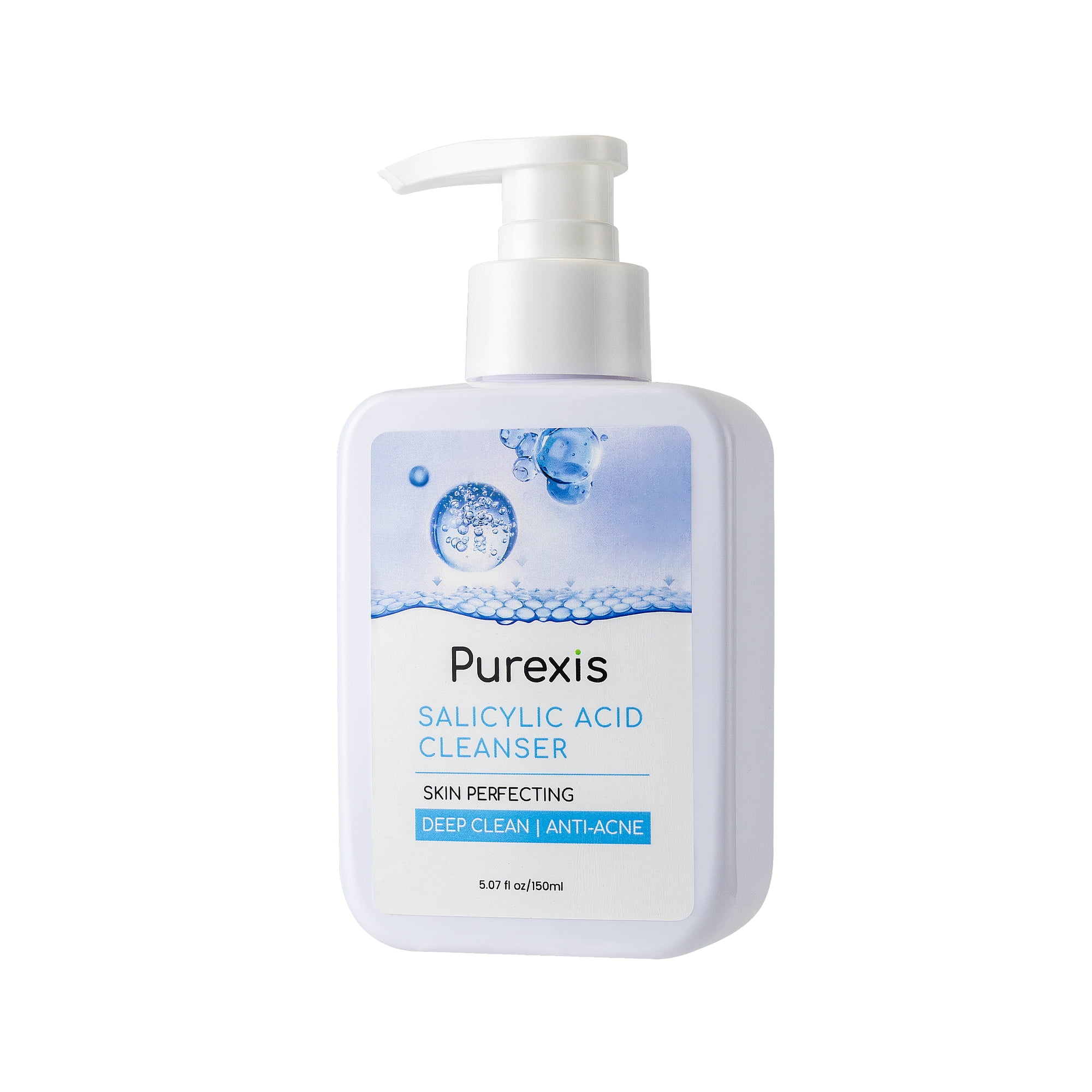
    Just as you exfoliate your face to remove dead skin cells, your scalp requires “scaling.” Scalp scalers are typically salicylic acid-based treatments or physical exfoliants containing sea salt. This step removes product buildup, excess sebum, and dandruff that regular shampoo cannot reach.

    • How to do it: Apply to a dry or slightly damp scalp before shampooing once a week. Massage gently and rinse.
    • Why it works: It clears the hair follicles, allowing for better absorption of subsequent treatments.

    Step 2: Double Cleansing (The Shampoo)

    Korean hair care often utilizes a double-cleanse method, especially if you use styling products or have an oily scalp. The first wash breaks down oils, while the second wash actually cleanses the skin and hair fibers.

    Look for sulfate-free formulas that match your scalp type. If you have a sensitive scalp, choose a formula with tea tree or cica. For dry hair, look for honey or argan oil infusions.

    Step 3: Scalp Massage and Circulation

    While shampooing, don’t just scrub and rinse. Use your fingertips or a silicone scalp brush to perform a rhythmic massage. This increases blood flow to the hair follicles, which delivers oxygen and essential nutrients to the roots.

    Pro Tip: Spend at least two minutes on this step. It’s the easiest way to promote faster, thicker hair growth without spending extra money on products.

    Step 4: The Targeted Conditioner

    Conditioning in the Korean routine is strictly for the mid-lengths and ends of the hair. Applying conditioner to the scalp can weigh down the hair and clog pores. The goal here is to seal the cuticle, which was opened during the warm water wash, to lock in moisture.

    Step 5: The Hair Care Mask or Treatment (The “Clinic” Step)

    In Korea, “hair clinics” are professional salon treatments. You can replicate this at home using a deep-repair mask or a “hair pack.” These products are formulated with high concentrations of proteins (like keratin or silk amino acids) and ceramides to repair the internal structure of the hair.

    Hair Care TypeRecommended Ingredient EducationFrequency
    Damaged/BleachedCeramides, Keratin, Collagen2-3 times per week
    Fine/ThinBiotin, Rice ProteinOnce a week
    Dry/FrizzyShea Butter, Camellia OilEvery other wash

    Step 6: The Vinegar Rinse (The pH Balancer)

    This is the “secret sauce” of the Korean routine. Our hair and scalp are naturally acidic (around pH 4.5 to 5.5). Many shampoos are alkaline, which causes the hair cuticle to lift, leading to frizz and dullness. A diluted apple cider vinegar rinse or a specialized Korean vinegar treatment flattens the cuticle instantly, creating that “glass” reflection.

    Step 7: Scalp Tonic or Serum

    Once you exit the shower, the focus returns to the scalp. A scalp tonic is a leave-in liquid treatment, often featuring menthol or peppermint for a cooling effect. It balances the scalp’s moisture levels and prevents it from becoming too oily or too dry throughout the day.

    Step 8: Hair Care Essence or Serum

    While your hair is still damp, apply a hair essence. In the Korean hierarchy of products, an essence is lighter than an oil but more concentrated than a leave-in conditioner. It provides a layer of hydration that prevents the hair from snapping during the drying process.

    Step 9: Heat Protection and Blow Drying

    To achieve glass hair, the drying technique is as important as the products. Always apply a heat protectant. When blow-drying, use a nozzle attachment and point the airflow downward from the roots to the ends. This ensures the cuticles lie flat and reflect light like a mirror.

    Step 10: The Finishing Oil or Overnight Mask

    The final step is all about protection. A tiny drop of camellia or argan oil on the very tips of your hair adds a final punch of shine. On non-wash days, many Koreans use a “hair sleeping mask” to repair the hair while they sleep, ensuring they wake up with zero frizz.

    Pros and Cons of the 10-Step Routine

    Pros

    • Superior Scalp Health: Dramatically reduces dandruff, itchiness, and oiliness.
    • Incredible Shine: The focus on pH balance and cuticle sealing creates a “glass” effect that’s hard to achieve with styling alone.
    • Long-term Repair: Rather than masking damage with silicones, this routine focuses on structural integrity.
    • Customizable: You can swap steps in and out based on your specific hair needs.

    Cons

    • Time Consuming: Performing all steps can add 20–30 minutes to your shower routine.
    • Initial Cost: Purchasing ten different high-quality products can be an investment.
    • Risk of Over-conditioning: Fine hair may feel weighed down if the wrong products are used.

    Frequently Asked Questions

    Do I really need to do all 10 steps every day?

    No. Scalp scaling and hair masks should only be done 1–2 times a week. The daily routine usually consists of shampoo, conditioner, scalp tonic, and essence. Think of the 10-step routine as a weekly “deep dive” for your hair health.

    Can I achieve glass hair if I have curly or coily hair?

    Absolutely. While the “glass” look is most prominent on straight hair, the principles of the Korean routine—deep hydration and cuticle sealing—will result in incredibly defined, shiny, and frizz-free curls. The focus for curly hair should be on steps 5 (Masks) and 8 (Essence).

    What is the most important step for shine?

    The Vinegar Rinse (Step 6). By lowering the pH of the hair, you force the cuticle to close. A closed cuticle is smooth, and a smooth surface reflects light, which is exactly what creates the glass hair effect.

    Will this routine make my hair greasy?

    If done correctly, it should actually help regulate oil. By properly hydrating the scalp with tonics and essences, your scalp won’t feel the need to produce excess sebum to compensate for dryness. However, always ensure you are rinsing thoroughly and avoiding heavy conditioners on the roots.

    Is Korean hair care safe for color-treated hair?

    Yes, most Korean hair care products are very gentle. In fact, the focus on repairing the hair’s protein structure and sealing the cuticle can actually help your hair color last longer and look more vibrant.


    Topic: Korean hair care routine 10 steps
    Tags: #10Step #Korean #Hair Care #Care #Routine #Ultimate #Guide #Glass #Hair Care

  • Glow Up: The Ultimate Routine for Radiant Skin

    Achieving a true “glow up” isn’t about chasing every viral skincare trend on social media; it is about understanding the biological needs of your skin and responding with consistency. Radiant skin is a byproduct of health, hydration, and a well-structured regimen that protects the skin barrier while promoting cellular turnover.

    Whether you are dealing with dullness, uneven texture, or occasional breakouts, a dedicated routine can transform your complexion. This guide breaks down the essential steps, the science behind the ingredients, and the lifestyle habits necessary to achieve that lit-from-within glow.

    Understanding the Foundations of Skin Radiance

    Before diving into products, it is vital to understand that radiance is technically the way light reflects off the surface of your skin. When skin is hydrated and smooth, light reflects evenly. When skin is dry, flaky, or congested, light scatters, making the complexion appear dull.

    To maximize your glow, your routine must address three pillars:

    • Hydration: Maintaining water content within the skin cells.
    • Exfoliation: Removing dead skin cells that cause “optical roughness.”
    • Protection: Shielding the skin from UV damage and environmental pollutants that degrade collagen.

    The Morning Routine: Protect and Prevent

    Your daytime routine is your skin’s first line of defense. The goal is to neutralize free radicals and keep the skin hydrated throughout the day.

    1. Gentle Cleansing

    Unless you have very oily skin, a splash of lukewarm water or a very mild, non-foaming cleanser is often sufficient in the morning. You want to preserve the natural oils your skin produced overnight while preparing the surface for treatments.

    2. Vitamin C Serum

    Vitamin C is the gold standard for radiance. As a potent antioxidant, it brightens dark spots and protects against oxidative stress caused by pollution. Look for L-ascorbic acid for maximum potency, or Sodium Ascorbyl Phosphate if you have acne-prone skin.

    3. Lightweight Hydration

    Apply a moisturizer containing humectants like hyaluronic acid or glycerin. These ingredients pull moisture into the skin, plumping it up and immediately improving light reflection.

    4. Broad-Spectrum SPF

    No amount of serum can fix the damage caused by the sun. SPF 30 or higher is non-negotiable. Modern formulations often include “glow” elements, such as niacinamide or subtle tint, to provide an immediate aesthetic boost while protecting the skin’s future.

    The Evening Routine: Repair and Renew

    While you sleep, your skin enters a regenerative state. This is the time to use more “active” ingredients that might be too sensitive for daylight exposure.

    1. Double Cleansing

    To achieve radiant skin, you must remove every trace of SPF, makeup, and sebum. Start with an oil-based cleanser or micellar water, followed by a water-based gel or cream cleanser. This ensures your treatment products can actually penetrate the skin.

    2. Targeted Actives (Retinoids or Peptides)

    Retinoids are the powerhouse of any glow-up routine. They speed up cell turnover, bringing fresh, new skin to the surface faster. If your skin is too sensitive for retinol, peptides are an excellent alternative for firming and smoothing the skin texture.

    3. Barrier Support

    Seal everything in with a slightly richer moisturizer. Look for ceramides and fatty acids. These ingredients “glue” your skin cells together, preventing transepidermal water loss (TEWL) and ensuring you wake up with soft, supple skin.

    Key Ingredients for a Radiant Glow

    Not all ingredients are created equal. Depending on your specific skin concerns, you should prioritize the following actives:

    IngredientPrimary BenefitBest For
    Niacinamide (Vit B3)Refines pores and evens skin tone.All skin types, especially oily/textured.
    Hyaluronic AcidDeep hydration and instant plumping.Dry and dehydrated skin.
    Glycolic Acid (AHA)Chemical exfoliation for surface glow.Dullness and fine lines.
    CeramidesStrengthens the skin barrier.Sensitive or compromised skin.

    Weekly “Glow” Boosters

    In addition to your daily steps, incorporating specialized treatments once or twice a week can accelerate your results.

    Chemical Exfoliation

    Swap your nightly retinoid for an Alpha Hydroxy Acid (AHA) like lactic or glycolic acid once a week. This “unglues” dead skin cells that a daily cleanser cannot reach, revealing the brighter skin underneath.

    Hydrating Masks

    An overnight “sleeping mask” can provide an intensive moisture surge. This is particularly helpful during seasonal changes or after air travel when the skin can look particularly fatigued.

    The Lifestyle Factor: Internal Radiance

    Topical products are only 50% of the equation. To truly “glow up,” you must support your skin from the inside out.

    • Hydration: Drinking enough water ensures your skin cells remain turgid and healthy.
    • Sleep: During deep sleep, your body produces growth hormones that repair damaged skin cells. Lack of sleep leads to increased cortisol, which can break down collagen.
    • Antioxidant-Rich Diet: Berries, leafy greens, and fatty fish (rich in Omega-3s) provide the building blocks for a healthy lipid barrier.
    • Stress Management: Chronic stress often manifests as inflammatory skin conditions like acne or eczema, which dull the natural complexion.

    Pros and Cons of an Intensive Glow Up Routine

    Every skincare journey has its trade-offs. It is important to manage expectations and understand the commitment involved.

    Pros

    • Long-term Skin Health: Preventive care reduces the need for expensive corrective procedures later in life.
    • Improved Confidence: Feeling good in your “naked” skin reduces reliance on heavy makeup.
    • Consistent Texture: Regular exfoliation and hydration lead to smoother makeup application and a more youthful appearance.

    Cons

    • The “Purging” Phase: When starting retinoids or acids, skin may temporarily break out as impurities are pushed to the surface.
    • Time and Cost: High-quality ingredients and a multi-step routine require both a financial and time investment.
    • Sensitivity Risks: Over-exfoliating or using too many actives at once can damage the skin barrier, leading to redness and irritation.

    Frequently Asked Questions

    How long does it take to see a “glow up” in my skin?

    While hydration provides an immediate plumping effect, true structural changes (like fading dark spots or smoothing fine lines) usually take 6 to 12 weeks. This is the time it takes for a full cycle of new skin cells to reach the surface.

    Can I achieve radiant skin if I have oily or acne-prone skin?

    Absolutely. Radiance is not the same as oiliness. For acne-prone skin, focus on salicylic acid (BHA) to keep pores clear and niacinamide to manage oil production. A glow on oily skin looks healthy, whereas excess oil looks “greasy.”

    Do I really need a different routine for morning and night?

    Yes. Your skin’s needs change based on its environment. During the day, the focus is on protection (antioxidants and SPF). At night, the focus is on correction and moisture (retinoids and heavy creams).

    Is it possible to over-exfoliate?

    Yes, and it is a common mistake. If your skin feels tight, looks “waxy,” or becomes unusually sensitive to products that usually don’t sting, you have likely over-exfoliated. Pause all actives and focus on ceramides and hydration for 7–10 days to repair the barrier.