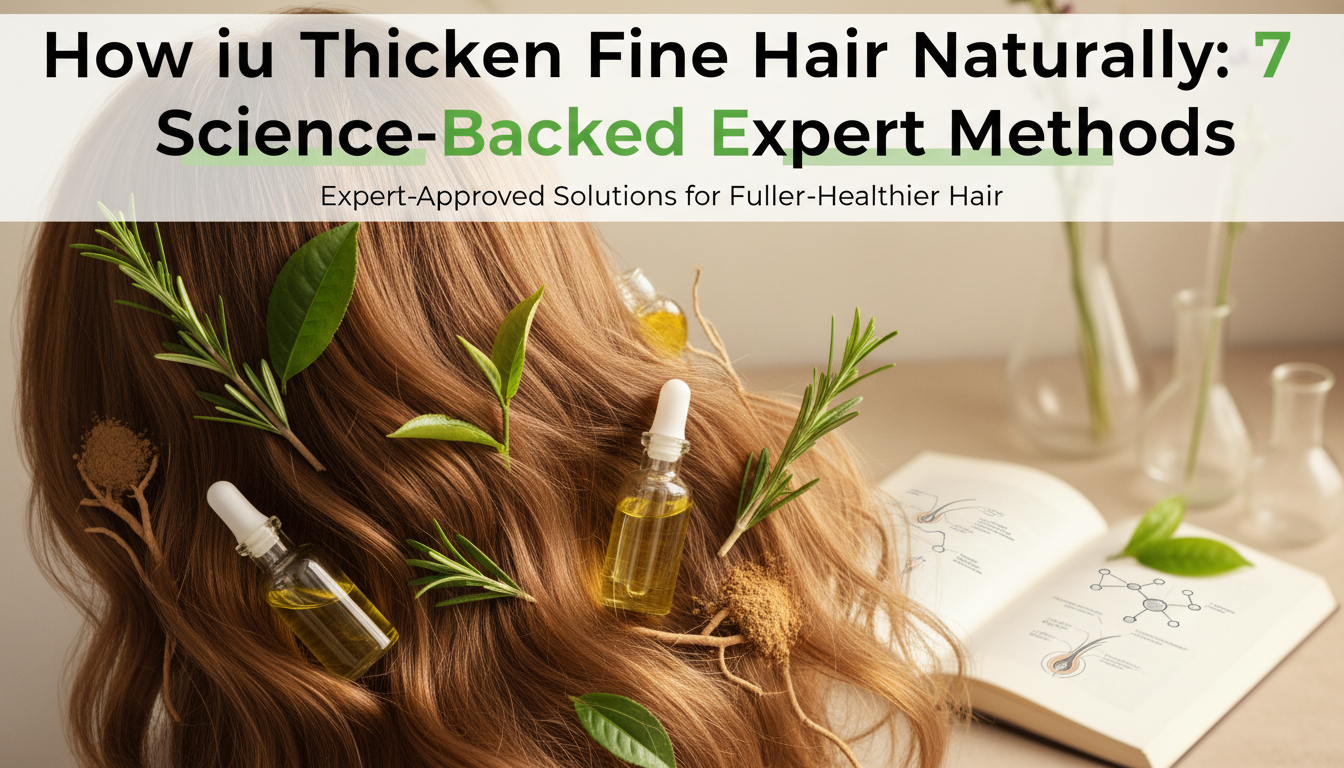
Noticing a bald spot can be a distressing experience, often triggering a frantic search for solutions. While pharmaceutical treatments like Minoxidil are widely known, many individuals prefer a holistic approach before turning to chemical interventions. The good news is that science increasingly supports several natural methods for stimulating dormant hair follicles and improving scalp health.
Regrowing hair naturally requires two things: patience and consistency. Unlike “miracle cures” advertised online, science-backed natural methods work by optimizing the biological environment of the scalp, reducing inflammation, and increasing blood flow. Below, we explore seven evidence-based strategies to help you reclaim your hair health.
1. Targeted Scalp Massage and Physical Stimulation
One of the simplest yet most effective ways to encourage hair growth is through mechanical stimulation. Scalp massages aren’t just for relaxation; they physically stretch the cells of hair follicles. According to a study published in Eplasty, standardized scalp massages can increase hair thickness by stimulating the dermal papilla cells.
How to do it: Use your fingertips (not nails) to apply firm, circular pressure to the bald spot for at least 4 to 5 minutes daily. This process encourages vasodilation, ensuring that oxygen and nutrients reach the hair bulb more efficiently.
2. Rosemary Oil: The Natural Alternative to Minoxidil
Rosemary essential oil has gained significant traction in the scientific community. A landmark study compared rosemary oil to 2% minoxidil (a common hair growth drug). After six months, both groups showed a significant increase in hair count, but the rosemary oil group reported less scalp itching and irritation.
Application Tip: Never apply pure essential oil directly to the skin. Mix 3–5 drops of rosemary oil with a carrier oil—such as pumpkin seed oil or jojoba oil—and massage it into the affected area. Leave it on for at least 30 minutes before washing.
3. Onion Juice for Alopecia Areata
While the scent is off-putting to some, onion juice is a powerhouse for hair regrowth. It is rich in sulfur, a mineral required for the production of enzymes and proteins (like keratin). Research published in the Journal of Dermatology found that participants with alopecia areata who applied onion juice to their scalp twice daily saw significantly more regrowth than those using tap water.
Why it works:
- Sulfur Content: Supports strong, thick hair shafts.
- Antimicrobial Properties: Helps fight scalp infections that may contribute to hair loss.
- Catalase Production: May help reduce hydrogen peroxide buildup at the follicle.
4. Nutritional Optimization: Feeding the Follicle
Your hair is a non-essential tissue, meaning your body sends nutrients to vital organs first. If you have a deficiency, your hair follicles are the first to suffer. To regrow hair on bald spots, you must address internal deficiencies.
| Nutrient | Role in Hair Care Growth | Food Sources |
|---|---|---|
| Iron | Carries oxygen to hair cells. | Spinach, lentils, red meat. |
| Zinc | Plays a role in hair tissue growth and repair. | Pumpkin seeds, oysters, chickpeas. |
| Biotin (B7) | Produces keratin. | Eggs, sweet potatoes, almonds. |
| Protein | The building block of the hair strand. | Greek yogurt, lean meats, tofu. |
5. Aloe Vera for Scalp Health
Aloe vera has been used for centuries to treat hair loss. It works primarily by soothing the scalp and unblocking hair follicles that may be clogged by excess oil (sebum) or dead skin cells. Aloe vera also contains proteolytic enzymes which repair dead skin cells on the scalp, creating a healthier environment for new growth.
How to use: Apply pure aloe vera gel to your scalp and bald spots 2–3 times a week. Let it sit for an hour before rinsing with a mild shampoo.
6. Stress Management and Cortisol Control
High levels of cortisol (the stress hormone) can push hair follicles into a “resting” phase, known as telogen effluvium, where they stop producing new strands. While this is often temporary, chronic stress can prevent bald spots from recovering.
Incorporating adaptogens like Ashwagandha or practicing daily mindfulness can lower systemic inflammation. When your body feels “safe” and well-rested, it can divert resources back to “luxury” functions like hair production.
7. Ginseng Supplements
Ginseng contains active components called ginsenosides, which have been shown to promote hair growth by stimulating hair follicles. Scientific reviews suggest that ginseng can inhibit the 5-alpha reductase enzyme, which is responsible for converting testosterone into DHT (the hormone primarily responsible for male and female pattern baldness).
Before starting any supplement, consult with a healthcare provider to ensure it doesn’t interfere with existing medications.
Pros & Cons of Natural Hair Care Regrowth Methods
Choosing the natural route is a commitment. It is important to weigh the benefits against the limitations to manage your expectations effectively.
Pros:
- Fewer Side Effects: Natural methods rarely cause the scalp irritation, headaches, or unwanted facial hair growth sometimes associated with pharmaceuticals.
- Cost-Effective: Ingredient Education like onion juice, rosemary oil, and scalp massage are significantly cheaper than clinical treatments.
- Holistic Health: Improving your diet and reducing stress benefits your entire body, not just your scalp.
Cons:
- Slower Results: Natural methods typically take 3 to 6 months of daily consistency before visible changes appear.
- Variable Efficacy: What works for one person’s biology may not work for another’s.
- Odor and Texture: Some treatments (like onion juice or oils) can be messy or have strong smells.
When to See a Doctor
While natural methods are effective for many, some types of hair loss require medical intervention. If you notice sudden, patchy hair loss, redness, scaling, or if the hair loss is accompanied by fatigue or other systemic symptoms, consult a dermatologist. Conditions like scarring alopecia or thyroid-related hair loss need professional diagnosis and specific treatments to prevent permanent damage.
Frequently Asked Questions
How long does it take to see results from natural hair growth methods?
Typically, it takes 3 to 6 months to see visible regrowth. Hair Care grows in cycles, and it takes time for a follicle to move from the resting phase back into the active growth phase.
Can I use rosemary oil and onion juice together?
Yes, you can alternate these treatments. However, it is best to introduce one at a time to ensure your scalp does not have an adverse reaction to either ingredient.
Does biotin really regrow hair on bald spots?
Biotin is highly effective if you have a biotin deficiency. If your levels are already normal, taking extra biotin may not significantly speed up growth, though it can improve the strength of the hair that does grow.
Are bald spots permanent?
It depends on the cause. If the hair follicle is still alive (common in thinning or alopecia areata), regrowth is possible. If the follicle has been replaced by scar tissue (scarring alopecia), natural regrowth is much more difficult.
Does drinking more water help hair growth?
Hydration is essential for overall cell function, including the cells in your hair follicles. Dehydration can make hair brittle and dry, which leads to breakage, though water alone will not “cure” a bald spot.
—
Topic: How to regrow hair on bald spots naturally
Tags: #Regrow #Hair Care #Bald #Spots #Naturally #Skincare ScienceBacked #Methods