Tag: Men’s Hair

  • Why Is My Hair Falling Out? 7 Expert Causes & Proven Solutions

    Why Is My Hair Falling Out? 7 Expert Causes & Proven Solutions

    Noticing extra strands of hair on your pillow or a thinning ponytail can be a deeply unsettling experience. While it is perfectly normal to lose between 50 and 100 hairs a day as part of the natural growth cycle, excessive shedding often signals an underlying issue that needs attention. Hair Care loss is rarely just about vanity; it is often a “canary in the coal mine” for your overall health.

    Understanding the root cause is the first step toward effective treatment. Because hair follicles are some of the most metabolically active cells in the body, they are incredibly sensitive to changes in your environment, diet, and internal chemistry. In this guide, we will explore the seven most common expert-identified causes of hair loss and the scientifically backed solutions to help you regain your thickness and confidence.

    1. Androgenetic Alopecia (Genetics)

    Commonly known as male or female pattern baldness, this is the most frequent cause of hair thinning worldwide. It isn’t caused by hair “falling out” in the traditional sense, but rather by a process called follicle miniaturization. Over time, hair follicles shrink, producing shorter and finer strands until they eventually stop producing hair altogether.

    The Solution

    • Minoxidil (Rogaine): An over-the-counter topical treatment that prolongs the growth phase of the hair cycle.
    • Finasteride: A prescription medication for men that blocks DHT, the hormone responsible for shrinking follicles.
    • Low-Level Laser Therapy (LLLT): FDA-cleared devices that use red light to stimulate cellular activity in the scalp.

    2. Telogen Effluvium (Stress-Induced Shedding)

    If you have recently gone through a high-stress event—such as surgery, a severe illness (like COVID-19), or significant emotional trauma—you may experience Telogen Effluvium. This condition pushes a large percentage of hair follicles into the “resting” phase simultaneously. Typically, the shedding occurs three to four months after the stressful event.

    The Solution

    The good news is that Telogen Effluvium is usually temporary. Focus on stress management through meditation, adequate sleep, and gentle hair care. If the stressor is removed, hair typically regrows on its own within six to nine months.

    3. Nutritional Deficiencies

    Your hair requires a specific “cocktail” of vitamins and minerals to grow. When your body is low on these nutrients, it redirects its limited resources to vital organs, leaving your hair to suffer. The most common culprits include low iron (ferritin), Vitamin D, Zinc, and insufficient protein intake.

    The Solution

    A simple blood test from your doctor can identify these gaps. Focus on a diet rich in leafy greens, eggs, fatty fish, and nuts. Supplementation should only be done under medical supervision, as excessive amounts of certain vitamins (like Vitamin A) can actually trigger more hair loss.

    4. Hormonal Fluctuations

    Hormones act as the control panel for hair growth. Significant shifts—such as those during pregnancy, postpartum, menopause, or due to Polycystic Ovary Syndrome (PCOS)—can cause dramatic thinning. Thyroid imbalances (both hyperthyroidism and hypothyroidism) are also notorious for causing brittle, thinning hair.

    The Solution

    Consult with an endocrinologist or gynecologist to balance your hormone levels. For postpartum shedding, patience is key, as the body usually rebalances itself within a year. For thyroid issues, specialized medication often restores hair growth quickly.

    5. Scalp Conditions and Inflammation

    A healthy “soil” is required for a healthy “plant.” Chronic inflammation from conditions like seborrheic dermatitis (dandruff), psoriasis, or fungal infections can interfere with the follicle’s ability to produce hair. Constant scratching can also lead to physical damage and scarring.

    The Solution

    • Medicated Shampoos: Look for ingredients like Ketoconazole, Zinc Pyrithione, or Salicylic Acid.
    • Scalp Hygiene: Wash your hair regularly to prevent sebum buildup, which can harbor inflammation-causing bacteria.

    6. Traction Alopecia (Styling Stress)

    Sometimes, the cause of hair loss is mechanical rather than biological. Traction alopecia is caused by repeated tension on the hair roots, often from tight ponytails, braids, extensions, or heavy weaves. Over time, this tension damages the follicle permanently, leading to localized bald spots.

    The Solution

    The solution is simple but requires a change in habits: “Wear it loose.” Avoid tight styles, switch to silk scrunchies, and give your hair frequent breaks from extensions or chemical relaxers.

    7. Autoimmune Responses (Alopecia Areata)

    Alopecia Areata occurs when the body’s immune system mistakenly attacks the hair follicles. This usually manifests as sudden, smooth, round bald patches. In some cases, it can lead to total hair loss on the scalp or body.

    The Solution

    While there is no “cure” for autoimmune hair loss, dermatologists often use corticosteroid injections to suppress the immune response locally. Recent breakthroughs in JAK inhibitors have also shown incredible promise for patients with severe cases.

    Comparing Treatment Approaches

    Choosing the right path depends on your budget, the severity of the loss, and your lifestyle. Below is a comparison of common intervention types.

    Treatment TypeBest ForPrimary BenefitTime to Results
    Topical (Minoxidil)Thinning at the crownEasy to use, non-invasive4–6 Months
    Nutritional ChangesGeneral thinningImproves overall health3–6 Months
    PRP TherapyEarly-stage hair lossUses your own growth factors3–4 Sessions
    Hair Care TransplantAdvanced baldingPermanent results12 Months

    Pros & Cons of At-Home vs. Professional Advanced Treatments

    Deciding whether to treat your hair loss at home or seek professional clinical help is a critical step. Both have distinct advantages and drawbacks.

    At-Home Advanced Treatments (Serums, Supplements, Devices)

    Pros:

    • More affordable and accessible.
    • Can be done in total privacy.
    • Low risk of severe side effects.

    Cons:

    • Results are often subtle and take a long time to appear.
    • Self-diagnosis may lead to using the wrong product for your specific cause.
    • Consistency is difficult to maintain.

    Professional Advanced Treatments (PRP, Micro-needling, Prescriptions)

    Pros:

    • Diagnosis from a medical expert (Dermatologist/Trichologist).
    • Higher concentration of active ingredients and more powerful technology.
    • Targeted approach based on blood work or scalp biopsies.

    Cons:

    • Significantly higher cost (often not covered by insurance).
    • May involve needles or surgical recovery time.
    • Requires office visits.

    Frequently Asked Questions

    Can stress really make my hair fall out?

    Yes. Physical or emotional stress can push hair into a shedding phase known as Telogen Effluvium. While the hair loss can be significant, it is usually temporary and will grow back once the stressor is managed.

    Does washing my hair every day cause hair loss?

    No. Washing your hair helps keep the scalp clean and free of inflammation. The hair you see in the drain during a wash was already detached from the follicle; the act of washing simply helped it fall away.

    Which vitamin is best for hair growth?

    Biotin is the most famous, but Iron and Vitamin D are often more critical for those experiencing actual thinning. It is best to get a blood test before starting any high-dose supplements.

    How long does it take for hair to grow back?

    Hair Care grows at an average rate of half an inch per month. Because of the hair growth cycle, most treatments take at least three to six months before you notice a visible difference in density.

    When should I see a doctor about hair loss?

    You should consult a dermatologist if you notice sudden patchy hair loss, if your scalp feels itchy or painful, or if you are losing clumps of hair rapidly. Early intervention is the key to saving the follicles you still have.


    Topic: Why is my hair falling out so much?
    Tags: #Hair Care #Falling #Expert #Proven #Solutions

  • Natural Remedies for Receding Hairline: 7 Proven Science-Backed Tips

    Natural Remedies for Receding Hairline: 7 Proven Science-Backed Tips

    Noticing a receding hairline can be a stressful experience, often leading many to search for immediate solutions. While genetics (androgenetic alopecia) play a significant role in hair loss, there is a growing body of scientific evidence suggesting that natural interventions can slow down the process and, in some cases, encourage regrowth.

    Unlike quick-fix chemical treatments, natural remedies focus on improving scalp health, blocking harmful hormones, and stimulating blood circulation. Below, we explore seven science-backed methods to manage a receding hairline naturally, emphasizing consistency and patience.

    1. The Power of Scalp Massage

    One of the simplest yet most effective ways to stimulate hair growth is through regular scalp massage. A study published in ePlasty found that just four minutes of standardized scalp massage daily could increase hair thickness by stretching the cells of hair follicles.

    Massaging the scalp stimulates blood flow to the dermal papilla cells. This increased circulation delivers more oxygen and nutrients to the follicles, helping to prolong the growth phase (anagen) of the hair cycle. For best results, use your fingertips to apply firm, circular pressure along your hairline for at least 5 to 10 minutes every day.

    2. Rosemary Oil: A Natural Alternative to Minoxidil

    Rosemary oil is perhaps the most famous natural remedy for hair loss, and for good reason. A clinical study in 2015 compared rosemary oil to Minoxidil (a popular over-the-counter hair growth medication). The results showed that after six months, those using rosemary oil experienced a similar increase in hair count as those using Minoxidil, but with significantly less scalp itching.

    How to Use It:

    • Never apply pure essential oil directly to the scalp.
    • Mix 5 drops of rosemary essential oil with a carrier oil like jojoba or almond oil.
    • Massage the mixture into the hairline and let it sit for at least 30 minutes before washing it out.

    3. Microneedling (Dermarolling)

    Microneedling involves using a small roller covered in tiny needles to create “micro-injuries” in the scalp. While this sounds counterintuitive, these microscopic punctures trigger the body’s natural healing response, inducing the production of collagen and various growth factors.

    Research suggests that microneedling can significantly enhance the effectiveness of other topical treatments. By opening up channels in the skin, it allows oils and serums to penetrate deeper into the follicle. For safety, start with a 0.5mm needle and limit sessions to once a week to avoid irritation or scarring.

    4. Saw Palmetto as a DHT Blocker

    The primary culprit behind a receding hairline in men is Dihydrotestosterone (DHT), a hormone that causes hair follicles to shrink. Saw palmetto is a botanical extract that may inhibit 5-alpha-reductase, the enzyme responsible for converting testosterone into DHT.

    While more research is needed to determine its full efficacy, several pilot studies have shown that topical and oral saw palmetto can improve hair density. It is often found as a key ingredient in natural “thickening” shampoos and scalp serums.

    5. An Anti-Inflammatory, Nutrient-Dense Diet

    What you put inside your body is just as important as what you put on your scalp. Inflammation is a known driver of hair thinning. A diet rich in antioxidants, healthy fats, and specific vitamins can create the optimal environment for hair to thrive.

    NutrientRole in Hair Care HealthFood Sources
    ZincInvolved in hair tissue growth and repair.Pumpkin seeds, lentils, oysters.
    Omega-3sReduces inflammation and improves hair luster.Walnuts, flaxseeds, salmon.
    Biotin (B7)Helps produce keratin, the protein in hair.Eggs, sweet potatoes, almonds.
    IronHelps red blood cells carry oxygen to follicles.Spinach, red meat, quinoa.

    6. Caffeine-Infused Topicals

    Caffeine isn’t just for your morning energy boost; it’s also a powerful stimulant for hair follicles. Studies have shown that caffeine can help block the effects of DHT in male hair follicles and stimulate the elongation of the hair shaft.

    Because caffeine is easily absorbed through the skin, using a caffeine-enriched shampoo or leave-in tonic can be highly effective. It increases blood circulation and encourages the hair to stay in the growth phase longer.

    7. Stress Management and Cortisol Control

    High levels of stress lead to an increase in cortisol, a hormone that can push hair follicles into a “resting” phase (telogen effluvium), causing them to shed more easily. For those already prone to a receding hairline, chronic stress can accelerate the process.

    Implementing stress-reduction techniques like meditation, deep breathing exercises, or regular physical activity can help stabilize hormone levels. Protecting your sleep quality is also vital, as hair proteins are primarily synthesized while you sleep.

    Pros and Cons of Natural Remedies

    Choosing a natural route for hair restoration has its advantages and limitations. It’s important to manage expectations and understand the commitment required.

    Pros:

    • Minimal Side Effects: Natural oils and dietary changes rarely cause the systemic side effects sometimes associated with pharmaceutical interventions.
    • Holistic Benefits: Improving your diet and reducing stress benefits your entire body, not just your scalp.
    • Cost-Effective: Many remedies, like scalp massage and essential oils, are significantly cheaper than hair transplants or laser therapy.

    Cons:

    • Slower Results: Natural methods often take 3 to 6 months of consistent use before visible changes occur.
    • Variable Efficacy: What works for one person may not work for another, depending on the underlying cause of the hair loss.
    • Commitment Required: These methods require a daily or weekly routine that must be maintained long-term to keep the results.

    Frequently Asked Questions

    Can a receding hairline actually grow back naturally?

    In cases where the hair follicles have not completely scarred over, it is possible to see regrowth or thickening using natural methods. However, if the area is completely smooth and bald, natural remedies are more likely to focus on maintaining the remaining hair rather than growing new strands.

    How long does it take to see results from rosemary oil?

    Clinical studies suggest that it takes at least 6 months of consistent, daily application to see a measurable increase in hair count. Patience and consistency are key when using any natural topical treatment.

    Is scalp massage safe for everyone?

    Yes, scalp massage is generally safe. However, if you have an active scalp infection, severe dandruff, or psoriasis, you should consult a dermatologist before starting a vigorous massage routine to avoid further irritation.

    Do DHT-blocking shampoos really work?

    Natural DHT-blocking shampoos containing ingredients like saw palmetto, caffeine, and pumpkin seed oil can be effective as part of a multi-faceted approach. While they may not be as potent as oral medications, they help create a healthy scalp environment conducive to growth.

    Can biotin supplements fix my hairline?

    Biotin supplements are most effective if you have a biotin deficiency. If your biotin levels are already normal, taking extra supplements may not provide a significant boost. It is usually better to get your B vitamins through a balanced diet.


    Topic: Natural remedies for receding hairline
    Tags: #Natural #Remedies #Receding #Hair Careline #Proven #Skincare ScienceBacked #Tips

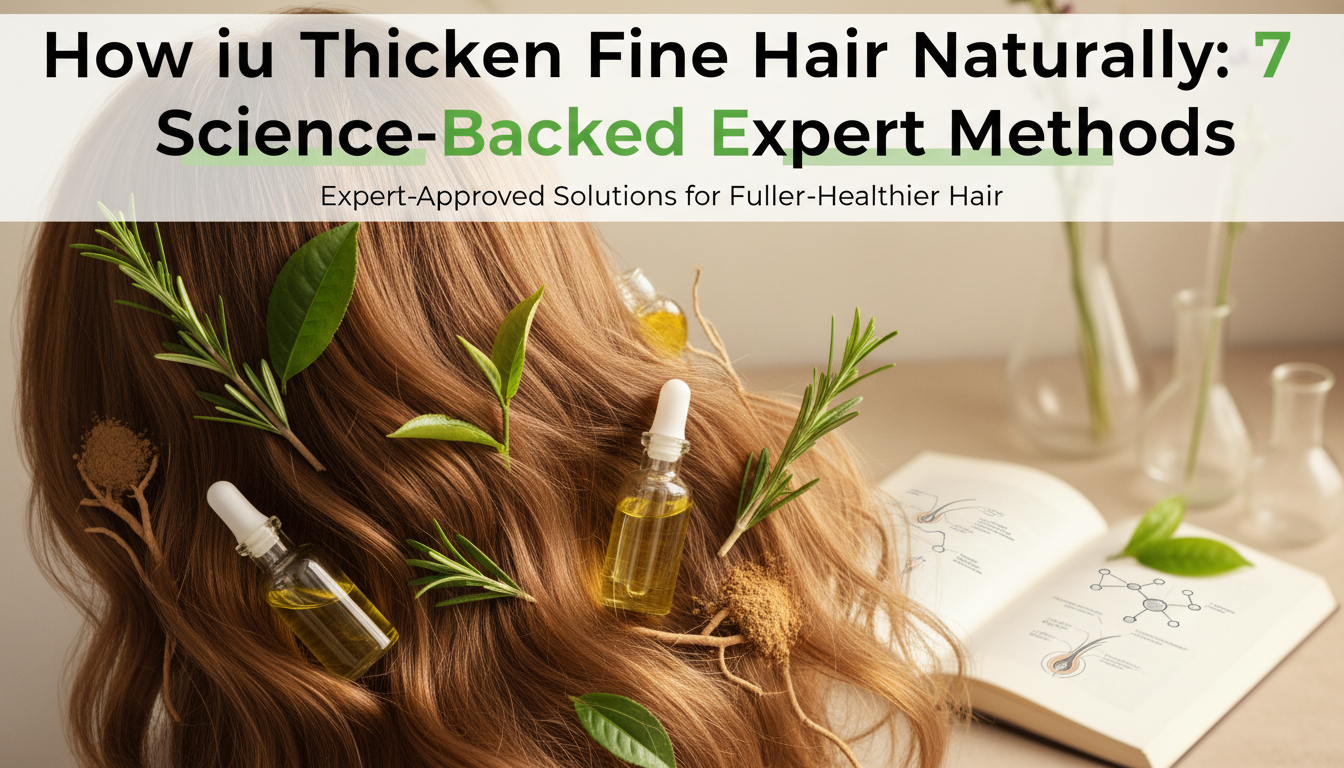
  • How to Thicken Fine Hair Naturally: 7 Science-Backed Expert Methods

    How to Thicken Fine Hair Naturally: 7 Science-Backed Expert Methods

    Many people use the terms “fine hair” and “thinning hair” interchangeably, but they represent two different biological realities. Fine hair refers to the small diameter of the individual hair shaft, while thinning refers to a decrease in the number of hairs per square inch on the scalp. Whether you were born with a delicate hair texture or have noticed a loss of volume over time, the goal remains the same: maximizing density and strand strength.

    While genetics dictate your baseline hair type, environmental factors, nutrition, and scalp health significantly influence how thick your hair actually appears. Moving beyond “miracle” tiktok trends, we have compiled seven science-backed, natural methods to help you achieve a fuller mane through biological optimization and proper follicular care.

    1. Stimulate Follicles with Standardized Scalp Massage

    One of the most effective ways to thicken hair naturally costs nothing but ten minutes of your time. Research published in the journal Dermatology and Therapy suggests that regular scalp massage can increase hair thickness by stretching the cells of hair follicles. This mechanical stimulation encourages the follicles to produce thicker hair shafts.

    Furthermore, massage improves blood circulation to the scalp, ensuring that oxygen and vital nutrients reach the dermal papilla—the “command center” for hair growth. For best results, use your fingertips to apply firm, circular pressure for at least 5 to 10 minutes daily.

    2. Integrate Rosemary Oil as a Natural Vasodilator

    Rosemary oil has gained significant traction in the scientific community as a natural alternative to synthetic growth stimulants like Minoxidil. A landmark study compared rosemary oil to 2% Minoxidil and found that after six months, both groups experienced a significant increase in hair count.

    Rosemary oil works by improving cellular turnover and acting as a mild anti-inflammatory agent. To use it safely:

    • Mix 3-5 drops of rosemary essential oil with a carrier oil (like jojoba or almond oil).
    • Massage it into the scalp twice a week.
    • Leave it on for at least 30 minutes before washing.

    3. Optimize Protein and Amino Acid Intake

    Hair Care is primarily composed of a protein called keratin. If your diet is deficient in amino acids, your body will prioritize vital organs over hair production, leading to brittle, fine strands. To thicken hair from the inside out, focus on high-quality protein sources that contain cysteine and lysine.

    NutrientBenefit for Fine Hair CareTop Food Sources
    Biotin (B7)Supports keratin productionEggs, sweet potatoes, almonds
    IronPrevents anemia-related thinningSpinach, lentils, red meat
    Omega-3sAdds shine and scalp hydrationSalmon, chia seeds, walnuts
    ZincAids in hair tissue growth and repairPumpkin seeds, oysters, chickpeas

    4. Implement “Scalp First” Hygiene Practices

    Fine hair often looks thinner because it is easily weighed down by sebum (natural oil). However, over-washing can lead to a dry, inflamed scalp, which stunts growth. The “science-backed” approach is to maintain a healthy scalp microbiome.

    Avoid shampoos containing harsh sulfates (Sodium Lauryl Sulfate), which strip the hair of its protective lipid layer. Instead, look for clarifying ingredients like apple cider vinegar rinses once a week to remove calcium buildup from hard water and product residue that can clog follicles and “shrink” the appearance of the hair base.

    5. Utilize Natural DHT Blockers

    Dihydrotestosterone (DHT) is a hormone derived from testosterone that can shrink hair follicles, a process known as miniaturization. This causes thick “terminal” hairs to turn into fine, “vellus” hairs. Certain natural ingredients act as mild 5-alpha-reductase inhibitors, which may help block DHT on the scalp.

    Saw Palmetto and Pumpkin Seed Oil are the two most researched natural DHT blockers. A study involving men with hair loss showed a 40% increase in hair count after 24 weeks of taking pumpkin seed oil supplements. Always consult with a healthcare professional before adding supplements to your routine.

    6. Reduce Cortisol Through Stress Management

    Chronic stress triggers the release of cortisol, which can push hair follicles into the “telogen” (resting) phase prematurely. This condition, known as Telogen Effluvium, makes hair look significantly thinner. High cortisol levels also deplete the skin’s hyaluronic acid and proteoglycans, which are essential for supporting the hair follicle structure.

    Incorporating adaptogens like Ashwagandha or practicing breathwork isn’t just for mental health; it’s a physiological requirement for maintaining a healthy hair growth cycle.

    7. Protect the Cuticle with Low-Tension Styling

    Fine hair is structurally more fragile than coarse hair because it often lacks the innermost layer, called the medulla. This makes it prone to breakage. If the hair breaks mid-shaft, the ends look “see-through,” making the hair appear thinner than it is.

    • Avoid Traction: Switch to silk or satin scrunchies to prevent “mechanical thinning.”
    • Heat Regulation: Keep styling tools below 300°F (150°C) to prevent the keratin from melting and weakening the strand.
    • Air Drying: Allow hair to air dry 70% of the way before using a blow dryer on a cool setting to minimize cuticle lift.

    Pros and Cons of Natural Hair Care Thickening

    Transitioning to a natural hair thickening regimen requires a shift in expectations compared to clinical or surgical interventions. Understanding the trade-offs is essential for long-term success.

    Pros

    • Systemic Health: Most natural methods (like improved nutrition and stress management) benefit your entire body, not just your hair.
    • Cost-Effective: Ingredient Education like rosemary oil and scalp massage are significantly cheaper than prescription treatments or hair transplants.
    • Low Side Effects: Natural topicals generally lack the scalp irritation or “shedding phases” associated with chemical growth stimulants.

    Cons

    • Delayed Gratification: Natural methods work with the biological hair growth cycle, meaning it often takes 3 to 6 months to see visible results.
    • Genetic Limits: Natural methods optimize what you have; they cannot change your DNA to give you a different hair type entirely.
    • Consistency Required: Skipping scalp massages or nutrition goals for a few weeks can quickly stall progress.

    Frequently Asked Questions

    Can fine hair actually become thick?

    Biologically, you cannot change the number of follicles you are born with. However, you can increase the diameter of each strand and ensure that every follicle is in the “anagen” (growth) phase at the same time, which results in a significantly fuller appearance.

    How long does it take to see results from natural methods?

    Hair Care grows roughly half an inch per month. Because you are treating the hair at the root, you generally need to wait 3 to 4 months to see new, thicker growth reaching the surface of the scalp, and 6 to 12 months for it to impact the overall volume of your ponytail.

    Does Biotin really work for hair thickness?

    Biotin is highly effective if you have a deficiency. However, for those with already adequate levels, megadosing Biotin may not provide extra benefits. It is better to consume a balanced B-complex vitamin that includes Folate and B12.

    Is it normal to lose hair when starting a new scalp routine?

    Some “shedding” can occur when you start stimulating the scalp (via massage or rosemary oil). This is often just the scalp clearing out “telogen” hairs that were already dead and ready to fall, making way for new, stronger “anagen” hairs.

    Will cutting my hair shorter make it grow back thicker?

    Cutting hair does not affect the follicle or the growth rate. However, removing thin, “scraggly” ends creates a blunt edge that gives the optical illusion of much thicker hair while you work on your long-term natural health routine.


    Topic: How to thicken fine hair naturally
    Tags: #Thicken #Fine #Hair Care #Naturally #Skincare ScienceBacked #Expert #Methods

  • 5 Best Minoxidil Brands for Beard Growth: 2024 Expert Reviews & Guide

    5 Best Minoxidil Brands for Beard Growth: 2024 Expert Reviews & Guide

    For many men, a thick, full beard is a hallmark of masculinity and personal style. However, genetics often have other plans, leaving behind patchy spots or thin growth. This is where Minoxidil—originally a blood pressure medication and later an FDA-approved hair loss treatment—has become a game-changer for the “beard game.”

    While Minoxidil is clinically approved for the scalp, its “off-label” use for facial hair has gained massive popularity due to its proven ability to stimulate dormant hair follicles. In this guide, we break down the top five Minoxidil brands of 2024, specifically evaluating them for their efficacy, skin-friendliness, and value for beard growth.

    How Minoxidil Works for Beard Growth

    Minoxidil is a peripheral vasodilator. When applied to the skin, it widens the blood vessels, allowing more oxygen, blood, and nutrients to reach the hair follicles. This process achieves two critical things for your beard:

    • Shortens the Telogen Phase: It pushes “resting” hairs out to make room for new growth.
    • Extends the Anagen Phase: It keeps the hair in the active growth phase for longer, leading to thicker, more terminal hairs.

    Unlike the hair on your scalp, beard hair is androgenic. While Minoxidil doesn’t change your hormones, it provides the follicular environment necessary for those fine “vellus” hairs to eventually transition into thick, dark “terminal” beard hairs.

    Top 5 Minoxidil Brands for Beards: 2024 Reviews

    Choosing the right brand involves balancing cost, drying time, and skin irritation. Here are the top performers for 2024.

    1. Kirkland Signature 5% Minoxidil (Liquid)

    Kirkland is widely considered the “gold standard” for the beard community, primarily due to its incredible value. Sold as a generic version of Rogaine, it contains the exact same active ingredient at a fraction of the price.

    Why it’s great for beards: The liquid format allows for precise application using a dropper, making it easy to target specific patches. However, because it contains propylene glycol, it can take longer to dry and may cause skin dryness or “flaking” in some users.

    2. Rogaine 5% Minoxidil Foam

    As the original pioneer of Minoxidil, Rogaine remains a top-tier choice. Their foam formulation is specifically praised by men with sensitive skin. It is propylene glycol-free, which significantly reduces the risk of contact dermatitis and itching.

    Why it’s great for beards: The foam dries almost instantly. This is a huge advantage for men who need to apply it before work or before heading out for the evening. It is less messy than liquid and generally feels better on the face.

    3. Hims Minoxidil 5% (Solution)

    Hims has revolutionized the hair regrowth market with a focus on modern branding and subscription-based convenience. Their 5% topical solution is high-quality and comes with a sleek dropper for easy facial application.

    Why it’s great for beards: If you struggle with consistency, the Hims subscription model ensures you never run out. Their formula is clean, effective, and backed by a robust telehealth platform if you have questions about your progress.

    4. Spectral.BRD by DS Laboratories

    Unlike the others on this list, Spectral.BRD is specifically formulated for facial hair. It utilizes Nanosome technology to enhance the penetration of ingredients deeper into the skin.

    Why it’s great for beards: In addition to Minoxidil-like ingredients (specifically Adenosine and Nanoxidil), it contains Piroctone Olamine and Caffeine. It is an excellent choice for men who want a “premium” product that addresses beard health beyond just hair growth.

    5. Foligain 5% Minoxidil (Low Alcohol Formula)

    Foligain offers a variety of concentrations, but their low-alcohol liquid formula is a standout for beard growers. Standard liquid Minoxidil can be harsh on the face; Foligain’s approach attempts to mitigate that harshness while maintaining maximum potency.

    Why it’s great for beards: It strikes a middle ground between the affordability of Kirkland and the skin-comfort of Rogaine Foam. It’s an ideal “step-up” for men who find standard liquids too irritating but prefer a dropper over foam.

    Comparison Table: At a Glance

    BrandFormatBest ForDrying Time
    Kirkland SignatureLiquidBudget-conscious usersSlow (30-60 mins)
    RogaineFoamSensitive skinFast (5-10 mins)
    HimsLiquidSubscription & EaseModerate
    Spectral.BRDSerumBeard-specific careFast
    FoligainLiquidBalanced performanceModerate

    Pros and Cons of Using Minoxidil for Beard Growth

    Pros

    • Proven Efficacy: Thousands of men have successfully filled in patchy beards using 5% Minoxidil.
    • Accessibility: Most formulas are available over-the-counter without a prescription.
    • Increased Confidence: Transforming a “scraggly” beard into a full one can significantly impact self-esteem.
    • Works on Dormant Follicles: It can stimulate growth in areas where you’ve never had hair before.

    Cons

    • Skin Irritation: Dryness, redness, and itching are common, especially with liquid formulas.
    • The “Dread Shed”: You may lose some existing hair temporarily as the follicles transition to a new growth cycle.
    • Commitment: Results take time (usually 3–6 months), and consistency is mandatory.
    • Potential Side Effects: Though rare when used topically, some may experience heart palpitations or lightheadedness if too much is absorbed systemically.

    The “Beard Journey” Protocol: How to Apply

    To maximize your results while minimizing irritation, follow this standard expert-recommended protocol:

    1. Cleanse: Wash your face with a mild cleanser to remove dirt and excess oil, which can block absorption.
    2. Apply: Use 1ml (liquid) or half a capful (foam) twice daily. Spread it evenly over your beard area, focusing on patchy spots.
    3. The 4-Hour Rule: Leave the product on for at least four hours before washing your face or applying other products. Clinical data suggests that most absorption happens within this window.
    4. Moisturize: Minoxidil is notorious for drying out the skin. Once the four hours are up, apply a high-quality beard oil or a moisturizer containing hyaluronic acid to keep the skin healthy.

    FAQs: Common Questions About Beard Minoxidil

    Is beard growth from Minoxidil permanent?

    Generally, yes. Unlike the scalp (where hair is lost due to DHT), beard hair becomes “terminal” once it has fully matured. If you use Minoxidil until the hairs are thick and dark, they should remain even after you stop treatment.

    How long does it take to see results?

    Most men notice “vellus” (light, peach-fuzz) hairs within 4–8 weeks. However, significant “terminal” growth usually requires 6 to 12 months of consistent application.

    Can I use a derma roller with Minoxidil?

    Yes, many experts recommend “microneedling” once a week. This creates micro-channels in the skin that can improve absorption. However, do not apply Minoxidil immediately after rolling; wait 24 hours to avoid systemic absorption and irritation.

    Does Minoxidil work if I have no beard hair at all?

    Minoxidil works on follicles that already exist. If you have absolutely no follicles in an area due to extreme genetics or scarring, Minoxidil cannot create new ones. However, most men have thousands of dormant follicles that Minoxidil can “wake up.”

    Are there any major side effects to watch for?

    Minor side effects include dry skin and localized redness. If you experience dizziness, chest pain, or rapid heartbeat, you should stop use immediately and consult a physician, as this indicates the drug is entering your bloodstream too quickly.


    Topic: Best minoxidil brands for men beard growth
    Tags: #Minoxidil #Brands #Beard #Growth #Expert #Reviews #Guide

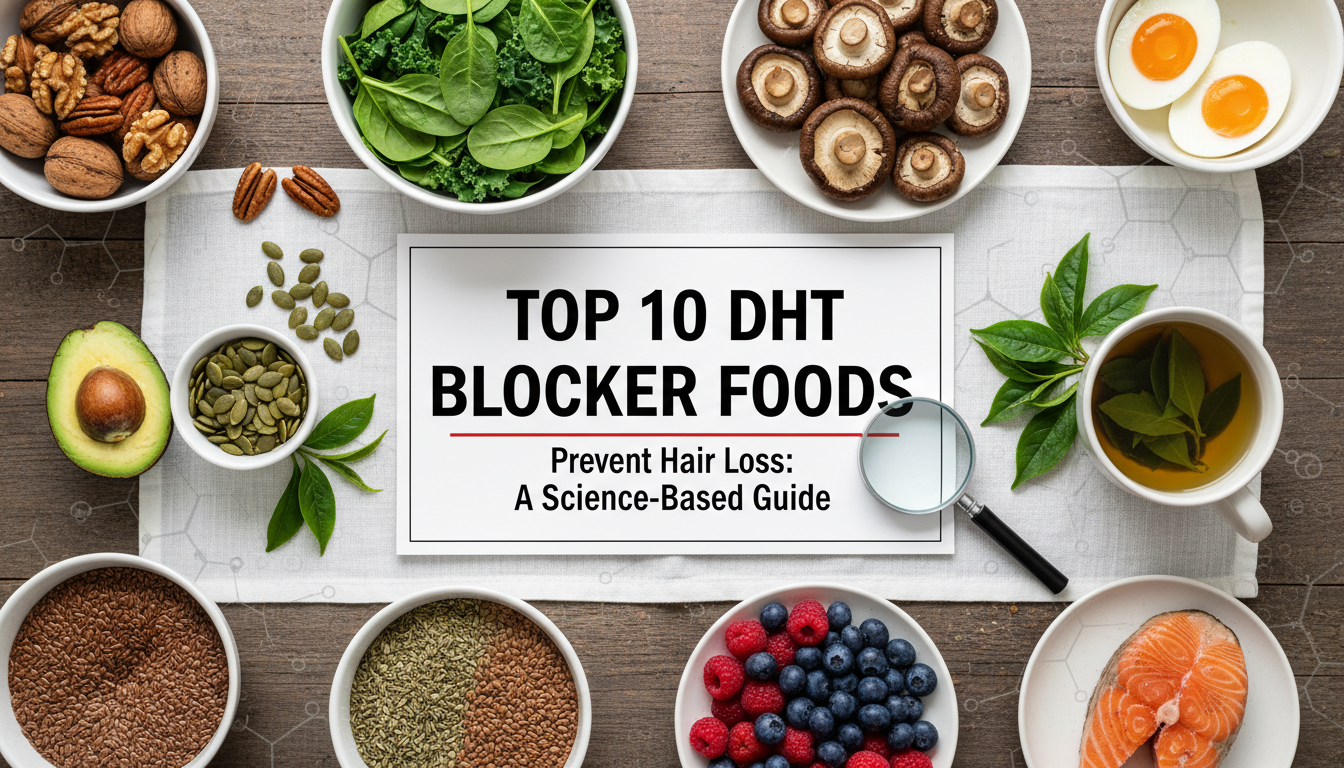
  • Top 10 DHT Blocker Foods to Prevent Hair Loss: A Science-Based Guide

    Top 10 DHT Blocker Foods to Prevent Hair Loss: A Science-Based Guide

    Hair Care loss can be a frustrating experience, often leading many to search for solutions ranging from expensive clinical treatments to various topical serums. However, one of the most effective and sustainable ways to support hair health is from the inside out. At the heart of most genetic hair thinning—specifically androgenetic alopecia—is a hormone called Dihydrotestosterone (DHT).

    While DHT is a naturally occurring androgen, an oversensitivity to it can cause hair follicles to shrink, a process known as miniaturization. Fortunately, nature provides several compounds found in everyday foods that may help inhibit the enzyme responsible for creating DHT, potentially slowing down hair loss and promoting thicker growth.

    The Skincare Science of DHT and Hair Care Loss

    To understand how food helps, we must look at the enzyme 5-alpha-reductase. This enzyme is responsible for converting testosterone into DHT. When DHT attaches to receptors in the scalp, it shortens the growth phase (anagen) of the hair cycle. Over time, the hair produced is thinner and shorter until the follicle stops producing hair altogether.

    DHT-blocking foods typically contain specific nutrients—such as zinc, lycopene, and epigallocatechin gallate (EGCG)—that naturally interfere with the 5-alpha-reductase enzyme or prevent DHT from binding to your follicles.

    Top 10 Foods That Naturally Block DHT

    1. Green Tea

    Green tea is one of the most potent natural DHT blockers available. It is rich in a plant compound called epigallocatechin gallate (EGCG). Research suggests that EGCG can protect hair follicles by inhibiting the activity of 5-alpha-reductase. Additionally, the antioxidants in green tea help reduce scalp inflammation, creating a healthier environment for hair growth.

    2. Pumpkin Seeds

    Pumpkin seeds are a nutritional powerhouse for hair. They contain a unique amino acid called cucurbitacin and are rich in phytosterols. Studies have shown that pumpkin seed oil can significantly increase hair count in men with thinning hair by blocking the production of DHT without the hormonal side effects often associated with pharmaceutical blockers.

    3. Edamame and Soy Products

    Soybeans contain a group of compounds called isoflavones, specifically daidzein. When digested, certain gut bacteria convert daidzein into equol. Equol has the unique ability to bind directly to DHT, neutralizing its effects on the hair follicle without affecting testosterone levels.

    4. Onions (and other Quercetin-rich foods)

    Onions are high in quercetin, a powerful antioxidant. Quercetin has been shown in clinical studies to inhibit the 5-alpha-reductase enzyme. While many people use onion juice topically, incorporating onions, shallots, and scallions into your diet provides a systemic boost of this protective flavonoid.

    5. Turmeric

    The active compound in turmeric, curcumin, is well-known for its anti-inflammatory properties. However, emerging research indicates that curcumin can also act as a potent inhibitor of 5-alpha-reductase. By reducing both DHT levels and scalp inflammation, turmeric offers a dual-action approach to preventing hair thinning.

    6. Spinach and Leafy Greens

    While spinach may not block DHT directly as aggressively as green tea, it is vital for the hair’s resistance to DHT. It is loaded with iron and vitamin C, which improve oxygen delivery to the follicles. It also contains phytosterols that may help balance hormone levels in the scalp.

    7. Walnuts

    Walnuts contain L-lysine and walnuts are one of the few nuts that contain significant amounts of alpha-linolenic acid (ALA). ALA acts as a natural 5-alpha-reductase inhibitor. Furthermore, walnuts provide biotin and vitamin E, which strengthen the hair shaft against breakage.

    8. Carrots

    Rich in beta-carotene (which the body converts to Vitamin A), carrots are essential for sebum production. A healthy level of sebum protects the scalp from oxidative stress. Carrots also contain lycopene, which has been linked to lower levels of DHT in the body.

    9. Oysters and Zinc-Rich Foods

    Zinc is a mineral that plays a crucial role in the body’s enzymatic processes, including those that regulate hormones. A deficiency in zinc is frequently linked to hair loss. Oysters, hemp seeds, and lentils are excellent sources of zinc, which helps keep the 5-alpha-reductase enzyme in check.

    10. Tomatoes

    Tomatoes are the primary dietary source of lycopene. This carotenoid does more than just protect your skin from UV rays; it also helps regulate the body’s sensitivity to androgens. By consuming cooked tomatoes (which increases lycopene bioavailability), you can help modulate the DHT response in your scalp.

    Summary of Key Nutrients

    Food ItemActive CompoundPrimary Benefit
    Green TeaEGCGInhibits 5-alpha-reductase
    Pumpkin SeedsPhytosterolsReduces DHT production
    EdamameIsoflavones/EquolNeutralizes existing DHT
    TurmericCurcuminBlocks enzyme and reduces inflammation
    TomatoesLycopeneModulates androgen receptors

    Pros and Cons of Using Food as a DHT Blocker

    Pros

    • Safety: Unlike pharmaceutical DHT blockers, foods do not typically cause systemic hormonal side effects such as decreased libido.
    • Overall Health: The foods listed above are nutrient-dense and provide benefits for heart health, skin, and immunity.
    • Cost-Effective: Incorporating these items into your weekly grocery list is often cheaper than specialized supplements.

    Cons

    • Lower Potency: Dietary changes may not be as aggressive as medical treatments like Finasteride for advanced hair loss.
    • Time: It can take 3 to 6 months of consistent dietary habits to see a visible change in hair quality.
    • Individual Variation: Genetics play a massive role; diet alone may not be enough if you are highly sensitive to DHT.

    Actionable Tips for Success

    Simply eating a pumpkin seed once a week won’t halt hair loss. To see results, you should adopt a “hair-healthy” lifestyle. Focus on the following:

    • Consistency: Aim to include at least two of these DHT-blocking foods in your daily meals.
    • Scalp Health: Combine a DHT-blocking diet with scalp massages to improve blood circulation, ensuring the nutrients actually reach the follicles.
    • Reduce Stress: High cortisol levels can accelerate hair thinning, potentially negating the benefits of your diet.

    Frequently Asked Questions

    How long does it take to see results from a DHT-blocking diet?

    Hair Care grows in cycles, and the “resting” phase can last several months. Most people notice an improvement in hair texture and a reduction in shedding after 3 to 6 months of consistent dietary changes.

    Can women use DHT-blocking foods?

    Yes. While DHT is often discussed in the context of male pattern baldness, it is also a primary culprit in female pattern hair loss (androgenetic alopecia). These foods are safe and beneficial for women.

    Are these foods enough to regrow hair on a bald spot?

    If a hair follicle has completely “died” and scarred over, food alone is unlikely to revive it. However, these foods are excellent for thickening existing hair and preventing further thinning in areas that are just starting to recede.

    Is it better to take supplements or eat the whole foods?

    Whole foods are generally preferred because they contain a complex matrix of fiber, vitamins, and minerals that help with the absorption of the active compounds. However, supplements like pumpkin seed oil or green tea extract can be helpful for those who cannot get enough through diet alone.


    Topic: DHT blocker foods to prevent hair loss
    Tags: #Top #DHT #Blocker #Foods #Prevent #Hair Care #Loss #Skincare ScienceBased #Guide