
Tag: Guide

  • 5 Best Minoxidil Brands for Beard Growth: 2024 Expert Reviews & Guide

    5 Best Minoxidil Brands for Beard Growth: 2024 Expert Reviews & Guide

    For many men, a thick, full beard is a hallmark of masculinity and personal style. However, genetics often have other plans, leaving behind patchy spots or thin growth. This is where Minoxidil—originally a blood pressure medication and later an FDA-approved hair loss treatment—has become a game-changer for the “beard game.”

    While Minoxidil is clinically approved for the scalp, its “off-label” use for facial hair has gained massive popularity due to its proven ability to stimulate dormant hair follicles. In this guide, we break down the top five Minoxidil brands of 2024, specifically evaluating them for their efficacy, skin-friendliness, and value for beard growth.

    How Minoxidil Works for Beard Growth

    Minoxidil is a peripheral vasodilator. When applied to the skin, it widens the blood vessels, allowing more oxygen, blood, and nutrients to reach the hair follicles. This process achieves two critical things for your beard:

    • Shortens the Telogen Phase: It pushes “resting” hairs out to make room for new growth.
    • Extends the Anagen Phase: It keeps the hair in the active growth phase for longer, leading to thicker, more terminal hairs.

    Unlike the hair on your scalp, beard hair is androgenic. While Minoxidil doesn’t change your hormones, it provides the follicular environment necessary for those fine “vellus” hairs to eventually transition into thick, dark “terminal” beard hairs.

    Top 5 Minoxidil Brands for Beards: 2024 Reviews

    Choosing the right brand involves balancing cost, drying time, and skin irritation. Here are the top performers for 2024.

    1. Kirkland Signature 5% Minoxidil (Liquid)

    Kirkland is widely considered the “gold standard” for the beard community, primarily due to its incredible value. Sold as a generic version of Rogaine, it contains the exact same active ingredient at a fraction of the price.

    Why it’s great for beards: The liquid format allows for precise application using a dropper, making it easy to target specific patches. However, because it contains propylene glycol, it can take longer to dry and may cause skin dryness or “flaking” in some users.

    2. Rogaine 5% Minoxidil Foam

    As the original pioneer of Minoxidil, Rogaine remains a top-tier choice. Their foam formulation is specifically praised by men with sensitive skin. It is propylene glycol-free, which significantly reduces the risk of contact dermatitis and itching.

    Why it’s great for beards: The foam dries almost instantly. This is a huge advantage for men who need to apply it before work or before heading out for the evening. It is less messy than liquid and generally feels better on the face.

    3. Hims Minoxidil 5% (Solution)

    Hims has revolutionized the hair regrowth market with a focus on modern branding and subscription-based convenience. Their 5% topical solution is high-quality and comes with a sleek dropper for easy facial application.

    Why it’s great for beards: If you struggle with consistency, the Hims subscription model ensures you never run out. Their formula is clean, effective, and backed by a robust telehealth platform if you have questions about your progress.

    4. Spectral.BRD by DS Laboratories

    Unlike the others on this list, Spectral.BRD is specifically formulated for facial hair. It utilizes Nanosome technology to enhance the penetration of ingredients deeper into the skin.

    Why it’s great for beards: In addition to Minoxidil-like ingredients (specifically Adenosine and Nanoxidil), it contains Piroctone Olamine and Caffeine. It is an excellent choice for men who want a “premium” product that addresses beard health beyond just hair growth.

    5. Foligain 5% Minoxidil (Low Alcohol Formula)

    Foligain offers a variety of concentrations, but their low-alcohol liquid formula is a standout for beard growers. Standard liquid Minoxidil can be harsh on the face; Foligain’s approach attempts to mitigate that harshness while maintaining maximum potency.

    Why it’s great for beards: It strikes a middle ground between the affordability of Kirkland and the skin-comfort of Rogaine Foam. It’s an ideal “step-up” for men who find standard liquids too irritating but prefer a dropper over foam.

    Comparison Table: At a Glance

    BrandFormatBest ForDrying Time
    Kirkland SignatureLiquidBudget-conscious usersSlow (30-60 mins)
    RogaineFoamSensitive skinFast (5-10 mins)
    HimsLiquidSubscription & EaseModerate
    Spectral.BRDSerumBeard-specific careFast
    FoligainLiquidBalanced performanceModerate

    Pros and Cons of Using Minoxidil for Beard Growth

    Pros

    • Proven Efficacy: Thousands of men have successfully filled in patchy beards using 5% Minoxidil.
    • Accessibility: Most formulas are available over-the-counter without a prescription.
    • Increased Confidence: Transforming a “scraggly” beard into a full one can significantly impact self-esteem.
    • Works on Dormant Follicles: It can stimulate growth in areas where you’ve never had hair before.

    Cons

    • Skin Irritation: Dryness, redness, and itching are common, especially with liquid formulas.
    • The “Dread Shed”: You may lose some existing hair temporarily as the follicles transition to a new growth cycle.
    • Commitment: Results take time (usually 3–6 months), and consistency is mandatory.
    • Potential Side Effects: Though rare when used topically, some may experience heart palpitations or lightheadedness if too much is absorbed systemically.

    The “Beard Journey” Protocol: How to Apply

    To maximize your results while minimizing irritation, follow this standard expert-recommended protocol:

    1. Cleanse: Wash your face with a mild cleanser to remove dirt and excess oil, which can block absorption.
    2. Apply: Use 1ml (liquid) or half a capful (foam) twice daily. Spread it evenly over your beard area, focusing on patchy spots.
    3. The 4-Hour Rule: Leave the product on for at least four hours before washing your face or applying other products. Clinical data suggests that most absorption happens within this window.
    4. Moisturize: Minoxidil is notorious for drying out the skin. Once the four hours are up, apply a high-quality beard oil or a moisturizer containing hyaluronic acid to keep the skin healthy.

    FAQs: Common Questions About Beard Minoxidil

    Is beard growth from Minoxidil permanent?

    Generally, yes. Unlike the scalp (where hair is lost due to DHT), beard hair becomes “terminal” once it has fully matured. If you use Minoxidil until the hairs are thick and dark, they should remain even after you stop treatment.

    How long does it take to see results?

    Most men notice “vellus” (light, peach-fuzz) hairs within 4–8 weeks. However, significant “terminal” growth usually requires 6 to 12 months of consistent application.

    Can I use a derma roller with Minoxidil?

    Yes, many experts recommend “microneedling” once a week. This creates micro-channels in the skin that can improve absorption. However, do not apply Minoxidil immediately after rolling; wait 24 hours to avoid systemic absorption and irritation.

    Does Minoxidil work if I have no beard hair at all?

    Minoxidil works on follicles that already exist. If you have absolutely no follicles in an area due to extreme genetics or scarring, Minoxidil cannot create new ones. However, most men have thousands of dormant follicles that Minoxidil can “wake up.”

    Are there any major side effects to watch for?

    Minor side effects include dry skin and localized redness. If you experience dizziness, chest pain, or rapid heartbeat, you should stop use immediately and consult a physician, as this indicates the drug is entering your bloodstream too quickly.


    Topic: Best minoxidil brands for men beard growth
    Tags: #Minoxidil #Brands #Beard #Growth #Expert #Reviews #Guide
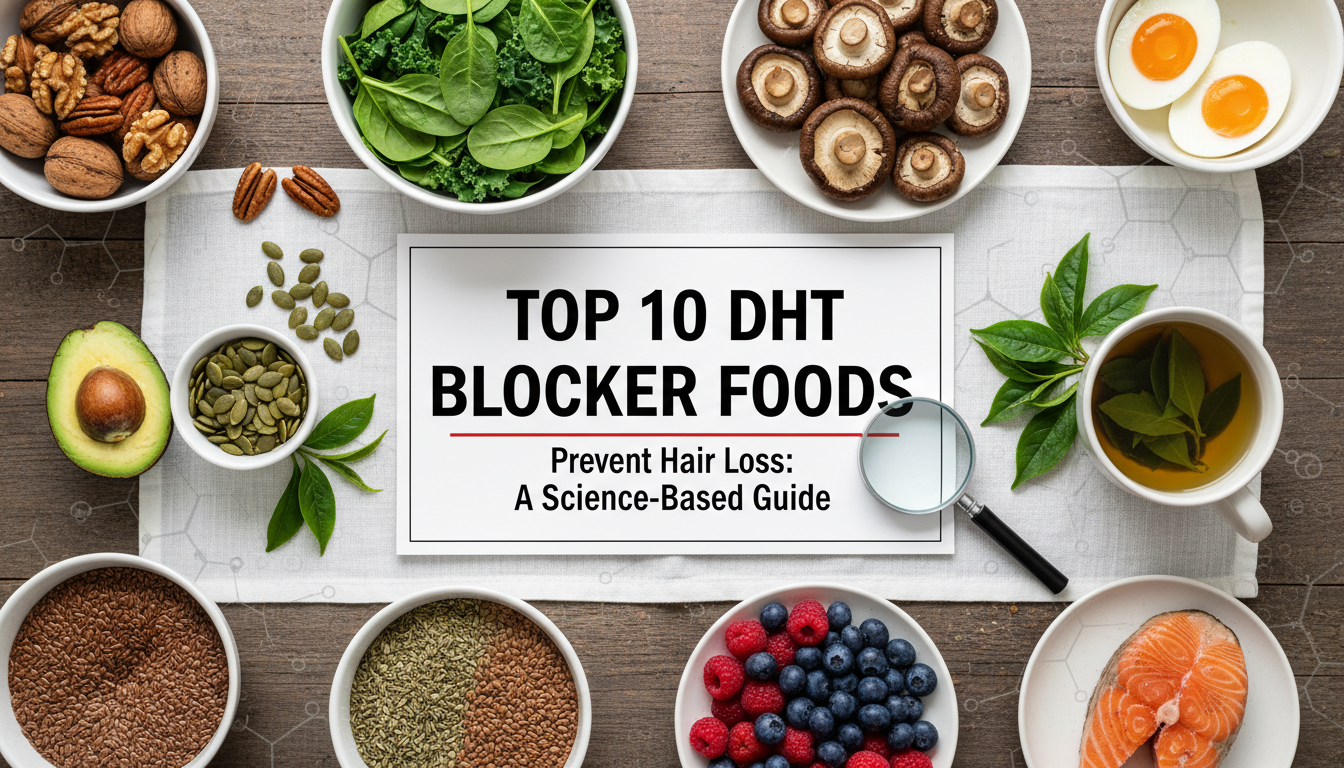
  • Top 10 DHT Blocker Foods to Prevent Hair Loss: A Science-Based Guide

    Top 10 DHT Blocker Foods to Prevent Hair Loss: A Science-Based Guide

    Hair Care loss can be a frustrating experience, often leading many to search for solutions ranging from expensive clinical treatments to various topical serums. However, one of the most effective and sustainable ways to support hair health is from the inside out. At the heart of most genetic hair thinning—specifically androgenetic alopecia—is a hormone called Dihydrotestosterone (DHT).

    While DHT is a naturally occurring androgen, an oversensitivity to it can cause hair follicles to shrink, a process known as miniaturization. Fortunately, nature provides several compounds found in everyday foods that may help inhibit the enzyme responsible for creating DHT, potentially slowing down hair loss and promoting thicker growth.

    The Skincare Science of DHT and Hair Care Loss

    To understand how food helps, we must look at the enzyme 5-alpha-reductase. This enzyme is responsible for converting testosterone into DHT. When DHT attaches to receptors in the scalp, it shortens the growth phase (anagen) of the hair cycle. Over time, the hair produced is thinner and shorter until the follicle stops producing hair altogether.

    DHT-blocking foods typically contain specific nutrients—such as zinc, lycopene, and epigallocatechin gallate (EGCG)—that naturally interfere with the 5-alpha-reductase enzyme or prevent DHT from binding to your follicles.

    Top 10 Foods That Naturally Block DHT

    1. Green Tea

    Green tea is one of the most potent natural DHT blockers available. It is rich in a plant compound called epigallocatechin gallate (EGCG). Research suggests that EGCG can protect hair follicles by inhibiting the activity of 5-alpha-reductase. Additionally, the antioxidants in green tea help reduce scalp inflammation, creating a healthier environment for hair growth.

    2. Pumpkin Seeds

    Pumpkin seeds are a nutritional powerhouse for hair. They contain a unique amino acid called cucurbitacin and are rich in phytosterols. Studies have shown that pumpkin seed oil can significantly increase hair count in men with thinning hair by blocking the production of DHT without the hormonal side effects often associated with pharmaceutical blockers.

    3. Edamame and Soy Products

    Soybeans contain a group of compounds called isoflavones, specifically daidzein. When digested, certain gut bacteria convert daidzein into equol. Equol has the unique ability to bind directly to DHT, neutralizing its effects on the hair follicle without affecting testosterone levels.

    4. Onions (and other Quercetin-rich foods)

    Onions are high in quercetin, a powerful antioxidant. Quercetin has been shown in clinical studies to inhibit the 5-alpha-reductase enzyme. While many people use onion juice topically, incorporating onions, shallots, and scallions into your diet provides a systemic boost of this protective flavonoid.

    5. Turmeric

    The active compound in turmeric, curcumin, is well-known for its anti-inflammatory properties. However, emerging research indicates that curcumin can also act as a potent inhibitor of 5-alpha-reductase. By reducing both DHT levels and scalp inflammation, turmeric offers a dual-action approach to preventing hair thinning.

    6. Spinach and Leafy Greens

    While spinach may not block DHT directly as aggressively as green tea, it is vital for the hair’s resistance to DHT. It is loaded with iron and vitamin C, which improve oxygen delivery to the follicles. It also contains phytosterols that may help balance hormone levels in the scalp.

    7. Walnuts

    Walnuts contain L-lysine and walnuts are one of the few nuts that contain significant amounts of alpha-linolenic acid (ALA). ALA acts as a natural 5-alpha-reductase inhibitor. Furthermore, walnuts provide biotin and vitamin E, which strengthen the hair shaft against breakage.

    8. Carrots

    Rich in beta-carotene (which the body converts to Vitamin A), carrots are essential for sebum production. A healthy level of sebum protects the scalp from oxidative stress. Carrots also contain lycopene, which has been linked to lower levels of DHT in the body.

    9. Oysters and Zinc-Rich Foods

    Zinc is a mineral that plays a crucial role in the body’s enzymatic processes, including those that regulate hormones. A deficiency in zinc is frequently linked to hair loss. Oysters, hemp seeds, and lentils are excellent sources of zinc, which helps keep the 5-alpha-reductase enzyme in check.

    10. Tomatoes

    Tomatoes are the primary dietary source of lycopene. This carotenoid does more than just protect your skin from UV rays; it also helps regulate the body’s sensitivity to androgens. By consuming cooked tomatoes (which increases lycopene bioavailability), you can help modulate the DHT response in your scalp.

    Summary of Key Nutrients

    Food ItemActive CompoundPrimary Benefit
    Green TeaEGCGInhibits 5-alpha-reductase
    Pumpkin SeedsPhytosterolsReduces DHT production
    EdamameIsoflavones/EquolNeutralizes existing DHT
    TurmericCurcuminBlocks enzyme and reduces inflammation
    TomatoesLycopeneModulates androgen receptors

    Pros and Cons of Using Food as a DHT Blocker

    Pros

    • Safety: Unlike pharmaceutical DHT blockers, foods do not typically cause systemic hormonal side effects such as decreased libido.
    • Overall Health: The foods listed above are nutrient-dense and provide benefits for heart health, skin, and immunity.
    • Cost-Effective: Incorporating these items into your weekly grocery list is often cheaper than specialized supplements.

    Cons

    • Lower Potency: Dietary changes may not be as aggressive as medical treatments like Finasteride for advanced hair loss.
    • Time: It can take 3 to 6 months of consistent dietary habits to see a visible change in hair quality.
    • Individual Variation: Genetics play a massive role; diet alone may not be enough if you are highly sensitive to DHT.

    Actionable Tips for Success

    Simply eating a pumpkin seed once a week won’t halt hair loss. To see results, you should adopt a “hair-healthy” lifestyle. Focus on the following:

    • Consistency: Aim to include at least two of these DHT-blocking foods in your daily meals.
    • Scalp Health: Combine a DHT-blocking diet with scalp massages to improve blood circulation, ensuring the nutrients actually reach the follicles.
    • Reduce Stress: High cortisol levels can accelerate hair thinning, potentially negating the benefits of your diet.

    Frequently Asked Questions

    How long does it take to see results from a DHT-blocking diet?

    Hair Care grows in cycles, and the “resting” phase can last several months. Most people notice an improvement in hair texture and a reduction in shedding after 3 to 6 months of consistent dietary changes.

    Can women use DHT-blocking foods?

    Yes. While DHT is often discussed in the context of male pattern baldness, it is also a primary culprit in female pattern hair loss (androgenetic alopecia). These foods are safe and beneficial for women.

    Are these foods enough to regrow hair on a bald spot?

    If a hair follicle has completely “died” and scarred over, food alone is unlikely to revive it. However, these foods are excellent for thickening existing hair and preventing further thinning in areas that are just starting to recede.

    Is it better to take supplements or eat the whole foods?

    Whole foods are generally preferred because they contain a complex matrix of fiber, vitamins, and minerals that help with the absorption of the active compounds. However, supplements like pumpkin seed oil or green tea extract can be helpful for those who cannot get enough through diet alone.


    Topic: DHT blocker foods to prevent hair loss
    Tags: #Top #DHT #Blocker #Foods #Prevent #Hair Care #Loss #Skincare ScienceBased #Guide

  • Best Supplements for Thinning Hair in Women: 2024 Expert-Backed Guide

    Hair Care thinning can be an incredibly personal and often distressing experience for women. Whether you’ve noticed a widening part, a thinner ponytail, or more strands than usual in the shower drain, you aren’t alone. Recent data suggests that over 50% of women will experience noticeable hair loss at some point in their lives.

    While topical treatments and lifestyle changes play a role, nutritional support is often the “missing piece” of the puzzle. Hair Care follicles are among the most metabolically active cells in the body, meaning they require a constant supply of specific vitamins and minerals to produce healthy strands. In this guide, we break down the most effective, expert-backed supplements for 2024 to help you regain density and confidence.

    How Nutrients Influence the Hair Care Growth Cycle

    To understand how supplements work, it is important to understand the hair growth cycle. Hair Care goes through three phases: Anagen (growth), Catagen (transition), and Telogen (resting/shedding). Hair Care thinning often occurs when the Anagen phase shortens or when a high percentage of hairs enter the Telogen phase prematurely due to stress, hormonal shifts, or nutritional deficiencies.

    Supplements target the “root” of the problem by providing the building blocks for keratin—the protein that makes up your hair—and by counteracting oxidative stress that can age the hair follicle.

    Essential Ingredient Education to Look For

    Not all hair vitamins are created equal. When reviewing labels, look for these evidence-based ingredients that clinical studies have shown to support hair health:

    1. Biotin (Vitamin B7)

    Biotin is perhaps the most famous hair nutrient. It assists in the production of keratin. While a true biotin deficiency is rare, supplemental biotin has been shown to improve hair thickness and nail strength in those experiencing temporary thinning.

    2. Marine Collagen and Shark Powder

    Specific marine complexes (often found in premium brands like Viviscal) contain amino acids that mimic the proteins found in the hair follicle. These have been clinically proven to prolong the Anagen phase, leading to less shedding.

    3. Iron and Ferritin

    For pre-menopausal women, iron deficiency is a leading cause of thinning hair. Iron helps red blood cells carry oxygen to your cells, including the cells that repair and stimulate hair growth. If your ferritin (stored iron) levels are low, your body will divert energy away from “non-essential” functions like hair growth.

    4. Saw Palmetto and Pumpkin Seed Oil

    If your thinning is hormonal (Androgenetic Alopecia), you may need ingredients that act as natural DHT blockers. DHT is a hormone that can shrink hair follicles. Saw Palmetto is a botanical extract frequently used to help balance these hormonal effects on the scalp.

    5. Adaptogens (Ashwagandha and Curcumin)

    Chronic stress triggers cortisol, which can signal hair follicles to stop growing. Adaptogens help the body manage stress, protecting the hair from “stress-induced shedding” known as Telogen Effluvium.

    Top-Tier Supplement Categories for 2024

    Choosing the right supplement depends on the underlying cause of your thinning. Here is how the market is currently categorized:

    CategoryBest For…Key Ingredient Education
    NutraceuticalsHormonal and stress-related thinning.Saw Palmetto, Ashwagandha, Marine Collagen.
    Mineral-BasedWomen with heavy cycles or restrictive diets.Iron, Zinc, Vitamin C (for absorption).
    Keratin BoostersBrittle, snapping hair and slow growth.Biotin, Solubilized Keratin, Horsetail Extract.
    Antioxidant BlendsAge-related thinning and scalp health.Vitamin E, Selenium, Resveratrol.

    Pros and Cons of Hair Care Growth Supplements

    Pros

    • Systemic Support: Unlike shampoos, supplements work from the inside out to nourish the follicle directly via the bloodstream.
    • Convenience: Most high-quality options combine 10+ targeted ingredients into one or two daily capsules.
    • Multifunctional Benefits: Many women report improved skin elasticity and stronger nails alongside hair benefits.
    • Non-Invasive: A great first step before considering more aggressive treatments like PRP or hair transplants.

    Cons

    • Time Lag: You must be patient. It typically takes 3 to 6 months to see visible changes in hair density.
    • Potential Side Effects: High doses of Biotin can interfere with certain lab tests (like thyroid panels) or cause “biotin acne” in some users.
    • Cost: Premium, clinically-backed nutraceuticals can be expensive, often ranging from $40 to $80 per month.
    • Not a “Cure-All”: Supplements cannot override genetic hair loss entirely, though they can slow the process.

    How to Maximize Your Results

    Taking a pill is only half the battle. To ensure your body actually uses these nutrients, consider these expert tips:

    • Check Your Vitamin D: Low Vitamin D is strongly linked to alopecia. Ensure your supplement includes it, or spend 15 minutes in the sun daily.
    • Take with Food: Most hair supplements contain fat-soluble vitamins (A, D, E). Taking them with a meal containing healthy fats improves absorption and prevents nausea.
    • Hydration is Key: The hair shaft is made up of about 25% water. Staying hydrated keeps the hair flexible and less prone to breakage.
    • Consistency: Skipping days resets the “nutritional buildup” in your system. Set a daily reminder to stay on track.

    When to Consult a Doctor

    While supplements are generally safe, sudden or patchy hair loss can be a sign of an underlying medical condition, such as thyroid dysfunction, autoimmune disorders, or severe anemia. If you experience scalp itching, redness, or rapid loss of clumps of hair, consult a dermatologist or primary care physician for a blood panel before starting a supplement regimen.

    Frequently Asked Questions

    Do hair supplements really work for thinning?

    Yes, but they are most effective when the thinning is caused by nutritional gaps, stress, or mild hormonal fluctuations. They provide the “raw materials” your body needs to maintain a healthy growth cycle. They are less effective for advanced genetic balding but can still help improve the quality of existing hair.

    How long does it take to see results?

    Hair Care only grows about half an inch per month. Because supplements must first shift the internal biochemistry before new hair emerges, most women notice a reduction in shedding within 4-6 weeks, while visible “baby hairs” and increased density typically appear at the 3-to-6-month mark.

    Can I take these supplements if I am pregnant or breastfeeding?

    Postpartum hair loss is common, but you should always consult your OB-GYN before adding new supplements during pregnancy or breastfeeding. Many hair supplements contain high levels of Vitamin A or herbal extracts that may not be suitable during these times.

    Will these supplements cause hair to grow elsewhere on my body?

    Generally, no. The hair on your head is regulated differently than body hair (which is more influenced by androgens). Most hair supplements focus on follicular health and keratin production, which primarily benefits the terminal hair on the scalp.

    Can too much Biotin cause breakouts?

    For some women, high doses of Biotin (Vitamin B7) can compete with the absorption of Vitamin B5 (Pantothenic Acid), which helps regulate skin oils. If you experience breakouts, look for a supplement with a more moderate dose of Biotin or ensure you are drinking plenty of water.


    Topic: Best supplements for thinning hair in women
    Tags: #Supplements #Thinning #Hair Care #Women #ExpertBacked #Guide