Tag: Expert

  • How to Thicken Fine Hair Naturally: 7 Science-Backed Expert Methods

    How to Thicken Fine Hair Naturally: 7 Science-Backed Expert Methods

    Many people use the terms “fine hair” and “thinning hair” interchangeably, but they represent two different biological realities. Fine hair refers to the small diameter of the individual hair shaft, while thinning refers to a decrease in the number of hairs per square inch on the scalp. Whether you were born with a delicate hair texture or have noticed a loss of volume over time, the goal remains the same: maximizing density and strand strength.

    While genetics dictate your baseline hair type, environmental factors, nutrition, and scalp health significantly influence how thick your hair actually appears. Moving beyond “miracle” tiktok trends, we have compiled seven science-backed, natural methods to help you achieve a fuller mane through biological optimization and proper follicular care.

    1. Stimulate Follicles with Standardized Scalp Massage

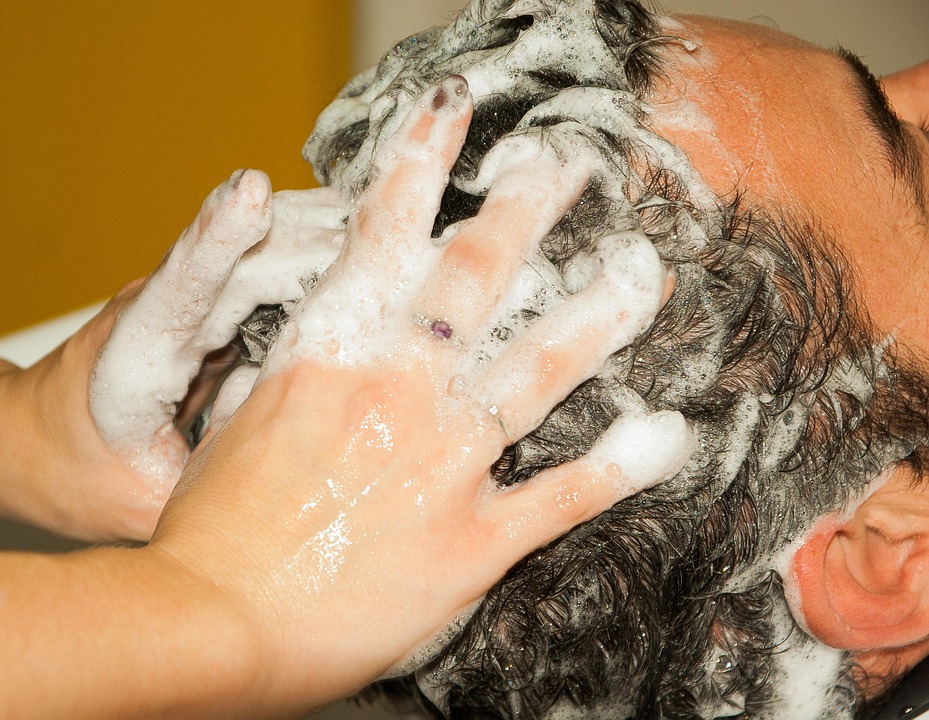
    One of the most effective ways to thicken hair naturally costs nothing but ten minutes of your time. Research published in the journal Dermatology and Therapy suggests that regular scalp massage can increase hair thickness by stretching the cells of hair follicles. This mechanical stimulation encourages the follicles to produce thicker hair shafts.

    Furthermore, massage improves blood circulation to the scalp, ensuring that oxygen and vital nutrients reach the dermal papilla—the “command center” for hair growth. For best results, use your fingertips to apply firm, circular pressure for at least 5 to 10 minutes daily.

    2. Integrate Rosemary Oil as a Natural Vasodilator

    Rosemary oil has gained significant traction in the scientific community as a natural alternative to synthetic growth stimulants like Minoxidil. A landmark study compared rosemary oil to 2% Minoxidil and found that after six months, both groups experienced a significant increase in hair count.

    Rosemary oil works by improving cellular turnover and acting as a mild anti-inflammatory agent. To use it safely:

    • Mix 3-5 drops of rosemary essential oil with a carrier oil (like jojoba or almond oil).
    • Massage it into the scalp twice a week.
    • Leave it on for at least 30 minutes before washing.

    3. Optimize Protein and Amino Acid Intake

    Hair Care is primarily composed of a protein called keratin. If your diet is deficient in amino acids, your body will prioritize vital organs over hair production, leading to brittle, fine strands. To thicken hair from the inside out, focus on high-quality protein sources that contain cysteine and lysine.

    NutrientBenefit for Fine Hair CareTop Food Sources
    Biotin (B7)Supports keratin productionEggs, sweet potatoes, almonds
    IronPrevents anemia-related thinningSpinach, lentils, red meat
    Omega-3sAdds shine and scalp hydrationSalmon, chia seeds, walnuts
    ZincAids in hair tissue growth and repairPumpkin seeds, oysters, chickpeas

    4. Implement “Scalp First” Hygiene Practices

    Fine hair often looks thinner because it is easily weighed down by sebum (natural oil). However, over-washing can lead to a dry, inflamed scalp, which stunts growth. The “science-backed” approach is to maintain a healthy scalp microbiome.

    Avoid shampoos containing harsh sulfates (Sodium Lauryl Sulfate), which strip the hair of its protective lipid layer. Instead, look for clarifying ingredients like apple cider vinegar rinses once a week to remove calcium buildup from hard water and product residue that can clog follicles and “shrink” the appearance of the hair base.

    5. Utilize Natural DHT Blockers

    Dihydrotestosterone (DHT) is a hormone derived from testosterone that can shrink hair follicles, a process known as miniaturization. This causes thick “terminal” hairs to turn into fine, “vellus” hairs. Certain natural ingredients act as mild 5-alpha-reductase inhibitors, which may help block DHT on the scalp.

    Saw Palmetto and Pumpkin Seed Oil are the two most researched natural DHT blockers. A study involving men with hair loss showed a 40% increase in hair count after 24 weeks of taking pumpkin seed oil supplements. Always consult with a healthcare professional before adding supplements to your routine.

    6. Reduce Cortisol Through Stress Management

    Chronic stress triggers the release of cortisol, which can push hair follicles into the “telogen” (resting) phase prematurely. This condition, known as Telogen Effluvium, makes hair look significantly thinner. High cortisol levels also deplete the skin’s hyaluronic acid and proteoglycans, which are essential for supporting the hair follicle structure.

    Incorporating adaptogens like Ashwagandha or practicing breathwork isn’t just for mental health; it’s a physiological requirement for maintaining a healthy hair growth cycle.

    7. Protect the Cuticle with Low-Tension Styling

    Fine hair is structurally more fragile than coarse hair because it often lacks the innermost layer, called the medulla. This makes it prone to breakage. If the hair breaks mid-shaft, the ends look “see-through,” making the hair appear thinner than it is.

    • Avoid Traction: Switch to silk or satin scrunchies to prevent “mechanical thinning.”
    • Heat Regulation: Keep styling tools below 300°F (150°C) to prevent the keratin from melting and weakening the strand.
    • Air Drying: Allow hair to air dry 70% of the way before using a blow dryer on a cool setting to minimize cuticle lift.

    Pros and Cons of Natural Hair Care Thickening

    Transitioning to a natural hair thickening regimen requires a shift in expectations compared to clinical or surgical interventions. Understanding the trade-offs is essential for long-term success.

    Pros

    • Systemic Health: Most natural methods (like improved nutrition and stress management) benefit your entire body, not just your hair.
    • Cost-Effective: Ingredient Education like rosemary oil and scalp massage are significantly cheaper than prescription treatments or hair transplants.
    • Low Side Effects: Natural topicals generally lack the scalp irritation or “shedding phases” associated with chemical growth stimulants.

    Cons

    • Delayed Gratification: Natural methods work with the biological hair growth cycle, meaning it often takes 3 to 6 months to see visible results.
    • Genetic Limits: Natural methods optimize what you have; they cannot change your DNA to give you a different hair type entirely.
    • Consistency Required: Skipping scalp massages or nutrition goals for a few weeks can quickly stall progress.

    Frequently Asked Questions

    Can fine hair actually become thick?

    Biologically, you cannot change the number of follicles you are born with. However, you can increase the diameter of each strand and ensure that every follicle is in the “anagen” (growth) phase at the same time, which results in a significantly fuller appearance.

    How long does it take to see results from natural methods?

    Hair Care grows roughly half an inch per month. Because you are treating the hair at the root, you generally need to wait 3 to 4 months to see new, thicker growth reaching the surface of the scalp, and 6 to 12 months for it to impact the overall volume of your ponytail.

    Does Biotin really work for hair thickness?

    Biotin is highly effective if you have a deficiency. However, for those with already adequate levels, megadosing Biotin may not provide extra benefits. It is better to consume a balanced B-complex vitamin that includes Folate and B12.

    Is it normal to lose hair when starting a new scalp routine?

    Some “shedding” can occur when you start stimulating the scalp (via massage or rosemary oil). This is often just the scalp clearing out “telogen” hairs that were already dead and ready to fall, making way for new, stronger “anagen” hairs.

    Will cutting my hair shorter make it grow back thicker?

    Cutting hair does not affect the follicle or the growth rate. However, removing thin, “scraggly” ends creates a blunt edge that gives the optical illusion of much thicker hair while you work on your long-term natural health routine.


    Topic: How to thicken fine hair naturally
    Tags: #Thicken #Fine #Hair Care #Naturally #Skincare ScienceBacked #Expert #Methods

  • 5 Best Minoxidil Brands for Beard Growth: 2024 Expert Reviews & Guide

    5 Best Minoxidil Brands for Beard Growth: 2024 Expert Reviews & Guide

    For many men, a thick, full beard is a hallmark of masculinity and personal style. However, genetics often have other plans, leaving behind patchy spots or thin growth. This is where Minoxidil—originally a blood pressure medication and later an FDA-approved hair loss treatment—has become a game-changer for the “beard game.”

    While Minoxidil is clinically approved for the scalp, its “off-label” use for facial hair has gained massive popularity due to its proven ability to stimulate dormant hair follicles. In this guide, we break down the top five Minoxidil brands of 2024, specifically evaluating them for their efficacy, skin-friendliness, and value for beard growth.

    How Minoxidil Works for Beard Growth

    Minoxidil is a peripheral vasodilator. When applied to the skin, it widens the blood vessels, allowing more oxygen, blood, and nutrients to reach the hair follicles. This process achieves two critical things for your beard:

    • Shortens the Telogen Phase: It pushes “resting” hairs out to make room for new growth.
    • Extends the Anagen Phase: It keeps the hair in the active growth phase for longer, leading to thicker, more terminal hairs.

    Unlike the hair on your scalp, beard hair is androgenic. While Minoxidil doesn’t change your hormones, it provides the follicular environment necessary for those fine “vellus” hairs to eventually transition into thick, dark “terminal” beard hairs.

    Top 5 Minoxidil Brands for Beards: 2024 Reviews

    Choosing the right brand involves balancing cost, drying time, and skin irritation. Here are the top performers for 2024.

    1. Kirkland Signature 5% Minoxidil (Liquid)

    Kirkland is widely considered the “gold standard” for the beard community, primarily due to its incredible value. Sold as a generic version of Rogaine, it contains the exact same active ingredient at a fraction of the price.

    Why it’s great for beards: The liquid format allows for precise application using a dropper, making it easy to target specific patches. However, because it contains propylene glycol, it can take longer to dry and may cause skin dryness or “flaking” in some users.

    2. Rogaine 5% Minoxidil Foam

    As the original pioneer of Minoxidil, Rogaine remains a top-tier choice. Their foam formulation is specifically praised by men with sensitive skin. It is propylene glycol-free, which significantly reduces the risk of contact dermatitis and itching.

    Why it’s great for beards: The foam dries almost instantly. This is a huge advantage for men who need to apply it before work or before heading out for the evening. It is less messy than liquid and generally feels better on the face.

    3. Hims Minoxidil 5% (Solution)

    Hims has revolutionized the hair regrowth market with a focus on modern branding and subscription-based convenience. Their 5% topical solution is high-quality and comes with a sleek dropper for easy facial application.

    Why it’s great for beards: If you struggle with consistency, the Hims subscription model ensures you never run out. Their formula is clean, effective, and backed by a robust telehealth platform if you have questions about your progress.

    4. Spectral.BRD by DS Laboratories

    Unlike the others on this list, Spectral.BRD is specifically formulated for facial hair. It utilizes Nanosome technology to enhance the penetration of ingredients deeper into the skin.

    Why it’s great for beards: In addition to Minoxidil-like ingredients (specifically Adenosine and Nanoxidil), it contains Piroctone Olamine and Caffeine. It is an excellent choice for men who want a “premium” product that addresses beard health beyond just hair growth.

    5. Foligain 5% Minoxidil (Low Alcohol Formula)

    Foligain offers a variety of concentrations, but their low-alcohol liquid formula is a standout for beard growers. Standard liquid Minoxidil can be harsh on the face; Foligain’s approach attempts to mitigate that harshness while maintaining maximum potency.

    Why it’s great for beards: It strikes a middle ground between the affordability of Kirkland and the skin-comfort of Rogaine Foam. It’s an ideal “step-up” for men who find standard liquids too irritating but prefer a dropper over foam.

    Comparison Table: At a Glance

    BrandFormatBest ForDrying Time
    Kirkland SignatureLiquidBudget-conscious usersSlow (30-60 mins)
    RogaineFoamSensitive skinFast (5-10 mins)
    HimsLiquidSubscription & EaseModerate
    Spectral.BRDSerumBeard-specific careFast
    FoligainLiquidBalanced performanceModerate

    Pros and Cons of Using Minoxidil for Beard Growth

    Pros

    • Proven Efficacy: Thousands of men have successfully filled in patchy beards using 5% Minoxidil.
    • Accessibility: Most formulas are available over-the-counter without a prescription.
    • Increased Confidence: Transforming a “scraggly” beard into a full one can significantly impact self-esteem.
    • Works on Dormant Follicles: It can stimulate growth in areas where you’ve never had hair before.

    Cons

    • Skin Irritation: Dryness, redness, and itching are common, especially with liquid formulas.
    • The “Dread Shed”: You may lose some existing hair temporarily as the follicles transition to a new growth cycle.
    • Commitment: Results take time (usually 3–6 months), and consistency is mandatory.
    • Potential Side Effects: Though rare when used topically, some may experience heart palpitations or lightheadedness if too much is absorbed systemically.

    The “Beard Journey” Protocol: How to Apply

    To maximize your results while minimizing irritation, follow this standard expert-recommended protocol:

    1. Cleanse: Wash your face with a mild cleanser to remove dirt and excess oil, which can block absorption.
    2. Apply: Use 1ml (liquid) or half a capful (foam) twice daily. Spread it evenly over your beard area, focusing on patchy spots.
    3. The 4-Hour Rule: Leave the product on for at least four hours before washing your face or applying other products. Clinical data suggests that most absorption happens within this window.
    4. Moisturize: Minoxidil is notorious for drying out the skin. Once the four hours are up, apply a high-quality beard oil or a moisturizer containing hyaluronic acid to keep the skin healthy.

    FAQs: Common Questions About Beard Minoxidil

    Is beard growth from Minoxidil permanent?

    Generally, yes. Unlike the scalp (where hair is lost due to DHT), beard hair becomes “terminal” once it has fully matured. If you use Minoxidil until the hairs are thick and dark, they should remain even after you stop treatment.

    How long does it take to see results?

    Most men notice “vellus” (light, peach-fuzz) hairs within 4–8 weeks. However, significant “terminal” growth usually requires 6 to 12 months of consistent application.

    Can I use a derma roller with Minoxidil?

    Yes, many experts recommend “microneedling” once a week. This creates micro-channels in the skin that can improve absorption. However, do not apply Minoxidil immediately after rolling; wait 24 hours to avoid systemic absorption and irritation.

    Does Minoxidil work if I have no beard hair at all?

    Minoxidil works on follicles that already exist. If you have absolutely no follicles in an area due to extreme genetics or scarring, Minoxidil cannot create new ones. However, most men have thousands of dormant follicles that Minoxidil can “wake up.”

    Are there any major side effects to watch for?

    Minor side effects include dry skin and localized redness. If you experience dizziness, chest pain, or rapid heartbeat, you should stop use immediately and consult a physician, as this indicates the drug is entering your bloodstream too quickly.


    Topic: Best minoxidil brands for men beard growth
    Tags: #Minoxidil #Brands #Beard #Growth #Expert #Reviews #Guide