


Makeup for beginners step by step is a simple approach to building confidence with makeup. The first time you open a makeup drawer, the sheer number of products can feel overwhelming. Instead of trying to master every shade and texture, focusing on a clear, repeatable routine helps you learn what works for your skin and lifestyle. This guide walks you through each stage, from preparing your skin to adding the final touch, using language that is easy to follow and free of jargon. Many find that following a makeup for beginners step by step plan reduces anxiety and makes the process enjoyable.

Why a step‑by‑step routine matters
Having a structured sequence removes guesswork. You know exactly what to apply next, which reduces the chance of skipping a step or over‑applying a product. Over time, the motions become muscle memory, allowing you to create a look in under ten minutes. Consistency also makes it easier to notice what you like and what you’d like to adjust. For example, if you notice that your eyes look flat after applying a certain concealer, you can tweak that step in the next routine.
Think of your routine like a recipe: each ingredient (product) has a purpose, and the order of adding them ensures the best flavor (finish). When you follow a consistent order, you’ll find that you’re less likely to waste products, and you’ll develop a deeper understanding of how each item interacts with the next.


Beginner makeup guide: preparing your skin
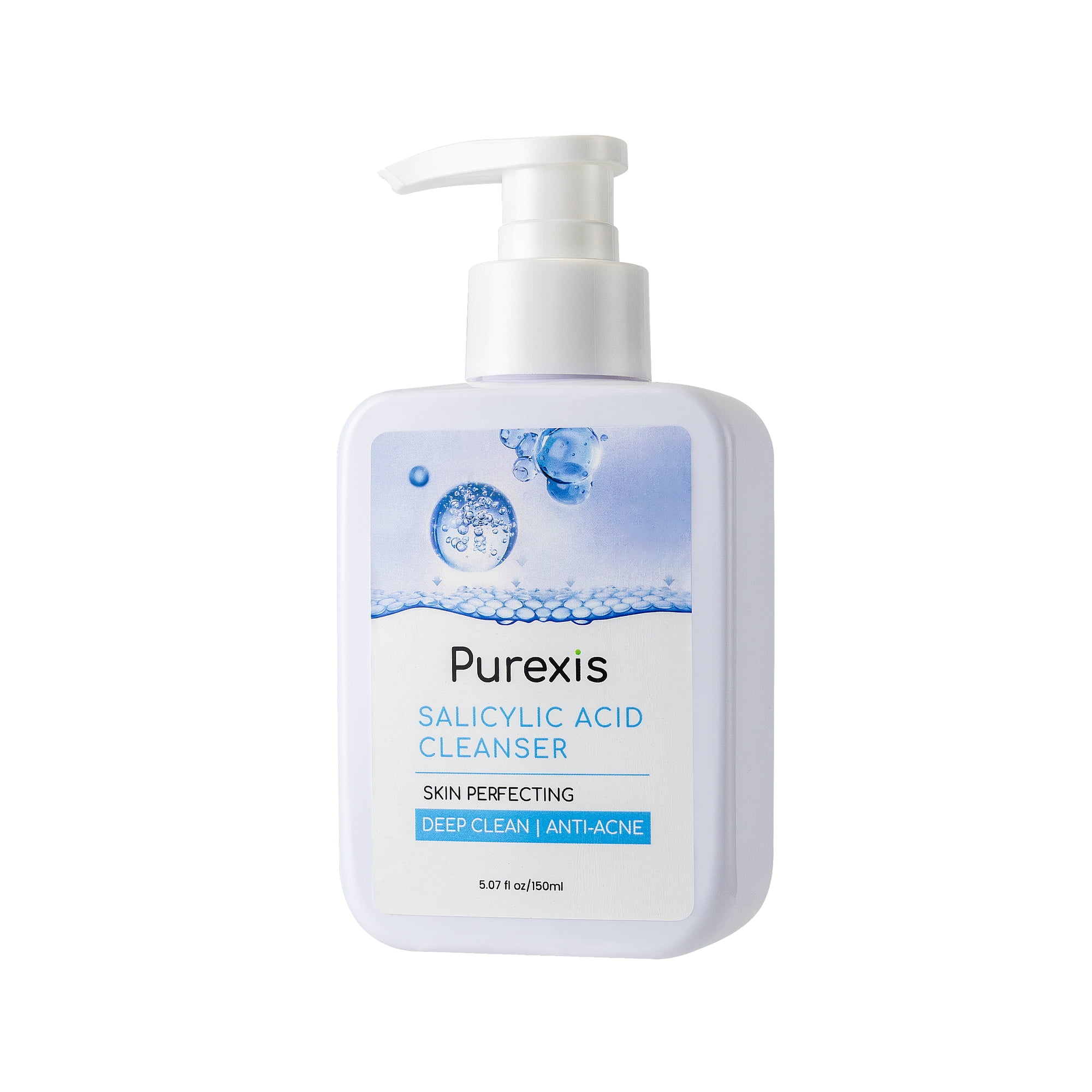
Before any color touches your face, a clean and hydrated canvas is essential. Start with a gentle cleanser that suits your skin type. Rinse with lukewarm water and pat dry with a soft towel. If you’re new to skincare, a two-step routine—cleansing followed by a toner—works well. A toner helps balance pH and can prep the skin for moisturizer.
Next, apply a lightweight moisturizer. If your skin tends to be oily, choose a gel‑based formula; for dry skin, a richer cream works well. Allow the moisturizer to absorb for a minute or two. For combination skin, consider a balancing lotion that provides hydration without heaviness.
The final prep step is sunscreen. Even if you plan to stay indoors, UV exposure can affect skin health. Use a broad‑spectrum SPF 30 or higher, spreading a nickel‑sized amount over your face and neck. Let it set before moving on. If you’re using a moisturizer with SPF, you can skip this step, but double‑check the coverage.
- Cleanser – removes dirt and oil
- Toner – balances pH and preps skin (optional)
- Moisturizer – hydrates and creates a smooth base
- Sunscreen – protects against UV damage
These three steps form the foundation of any beginner makeup guide. Skipping them can lead to patchy application or makeup that slides off throughout the day.
Basic makeup steps: primer (optional)
Primer is not mandatory, but it can help blur fine lines and keep makeup in place longer. If you decide to use one, take a pea‑sized amount and dot it across your forehead, nose, cheeks, and chin. Gently blend outward with your fingertips or a soft sponge.
Remember, the goal of primer is to create an even surface, not to add color. Choose a formula that matches your skin’s needs—matte for shine control, hydrating for extra moisture. Incorporating primer into your makeup for beginners step by step routine can improve longevity without complicating the process.
Easy makeup routine: foundation and concealer
Now we move to the core of the makeup for beginners step by step process: evening out the complexion.
Start with foundation. If you are new to liquid foundations, pump a small amount onto the back of your hand. Using a damp beauty sponge, stipple the product onto the center of your face and blend outward in circular motions. Aim for a thin, even layer; you can always build more coverage where needed. For a natural glow, choose a formula labeled “dewy” or “luminosity.” If you prefer a matte finish, look for “matte” or “oil‑control” versions.
Concealer is your ally for under‑eye circles, blemishes, or any spot that needs extra coverage. Apply a small amount in a triangle shape under the eye, then blend with the same sponge or a small brush. For blemishes, dab a little product directly on the spot and blend outwards. Patience is key—layering thinly ensures a seamless finish.
To set your base, lightly dust translucent powder over areas that tend to get oily, like the T‑zone. Use a fluffy brush to avoid a cakey look. This step is optional but helps keep your makeup in place, especially if you have a long day or high humidity.
Define your eyes: eyeliner, eyeshadow, and mascara
Choosing the right eyeshadow base
Start with a neutral base shade that matches your skin tone. A light taupe or soft beige works for most beginners. Apply with a fluffy brush, sweeping it across the lid and blending into the crease. This creates a smooth canvas for the rest of the eye look.
Adding depth with a mid‑tone shade
Choose a mid‑tone that complements your eye color—pale blue eyes look great with soft mauve, while brown eyes can glow with bronze or terracotta. Blend the color into the crease and outer corner, feathering the edges to avoid harsh lines.
Highlighting the inner corner
Apply a light, shimmery shade to the inner corner and under the brow bone. This brightens the eye and adds a subtle lift.
Line the eyes
For a beginner-friendly approach, use a pencil liner. Start at the inner corner and glide outward, keeping the line thin. If you’re comfortable, a gel or liquid liner can create a sharper wing. Finish by smudging the line slightly with a Q‑tip for a softer look.
Mascara
Apply one coat of mascara to the upper lashes, then a second coat to the lower lashes. A volumizing formula works well for beginners, as it adds lift without clumping. Wiggle the wand at the base to separate lashes and avoid clumps.
Add color: blush, bronzer, and highlighter
Choosing the right blush shade
For a natural glow, pick a shade that is monetary to your skin tone. Peachy pink works for fair to medium skin, while a warm mauve suits olive or deeper complexions. Dab the blush onto the apples of your cheeks and blend outward toward the temples.
Bronzer for warmth
Use a matte bronzer to add subtle warmth. Sweep it along the hollows of your cheeks, jawline, and forehead—areas that naturally catch the sun. A light hand ensures a sun-kissed look rather than a bronzed finish.
Highlighter for a luminous finish
Apply a small amount of highlighter to the high points of your face: the tops of the cheekbones, brow bone, bridge of the nose, and cupid’s bow. A subtle shimmer gives a healthy glow without looking overdone.
Lip care & color
Start with a lip balm to hydrate. Then, line your lips with a matching lipstick shade or a lip liner for definition. Finish by filling in with a lipstick or tinted balm. For beginners, a sheer or satin finish is forgiving and easy to correct.
Finishing touches: setting spray, powder, and final adjustments
After you’ve applied all layers, finish with a setting spray to lock in the look. Hold the bottle at arm’s length and mist lightly, focusing on the center of the face. This step helps prevent creasing and extends wear.
If you notice any fallout or unevenness, use a clean, fluffy brush to dust a tiny amount of translucent powder over the affected areas. For a quick touch-up, a small amount of concealer on a Q‑tip can refine any stray lines.
Common mistakes & troubleshooting
- Skipping sunscreen: Even indoor exposure can cause damage. Always apply SPF before makeup.
- Using too much product: Start thin and build coverage. Over‑application leads to a cakey finish.
- Not blending: Blending is the secret to a natural look. Spend extra time blending foundation, concealer, and eyeshadow.
- Choosing the wrong shade: Test shades on your jawline, not your hand, to see how they look on your skin tone.
- Neglecting skin prep: A clean, moisturized base ensures even application and longer wear.
Tips & tricks for beginners
- Use a beauty sponge: A damp sponge creates a flawless, airbrushed finish for foundation and concealer.
- Apply in layers: Thin layers build coverage and prevent heaviness.
- Keep brushes clean: Dirty brushes transfer bacteria and cause breakouts.
- Invest in a good brush set: A set of quality brushes (foundation, eyeshadow, blush) can replace many individual tools.
- Practice on paper: Before applying to your face, practice blending techniques on a sheet of paper.
FAQ
1. How often should I replace my makeup brushes?
For optimal hygiene, clean brushes weekly and replace them every 6–12 months, depending on usage. Signs of wear include frayed bristles and a loss of product transfer.
2. Can I skip primer if I have oily skin?
Yes, primer is optional. If you have oily skin, a mattifying primer can help control shine, but you can also use a mattifying moisturizer or setting powder as an alternative.
3. What’s the best way to store liquid foundation?
Keep it in a cool, dry place away from direct sunlight. If the bottle has a青 cap, flip it upside down to keep the product from drying out.
4. How do I choose the right foundation shade?
Test the shade along your jawline, not your hand. The foundation should blend seamlessly into your neck without a visible line.
5. Can I use the same concealer for under‑eye circles and blemishes?
Yes, a lightweight concealer works for both. For darker circles, consider a slightly tinted concealer that matches your undertone.
By following this makeup for beginners step by step guide, you’ll build confidence, develop a consistent routine, and create a natural, lasting glow that suits any occasion. Remember, practice makes perfect—so keep experimenting, and enjoy the journey to your own signature look.
For more detailed skincare routines that complement makeup, check out our skincare routine for busy mornings guide. If you want to dive deeper into color theory and product recommendations, visit Allure for industry insights and trend updates.
Leave a Reply