


How to apply foundation flawlessly is less about using more product and more about building the right base. A seamless finish starts before the first swipe: your skin needs to be clean, hydrated, and calm; your formula needs to match your skin type; your shade needs to disappear into your jawline; and your tool needs to blend without stripping away coverage. When these pieces work together, foundation looks like skin, not a layer sitting on top. This guide walks through every step, from prep and shade matching to application, setting, touch-ups, and troubleshooting, so you can create a polished base every time.

1. Prepare the Canvas Before You Apply Foundation
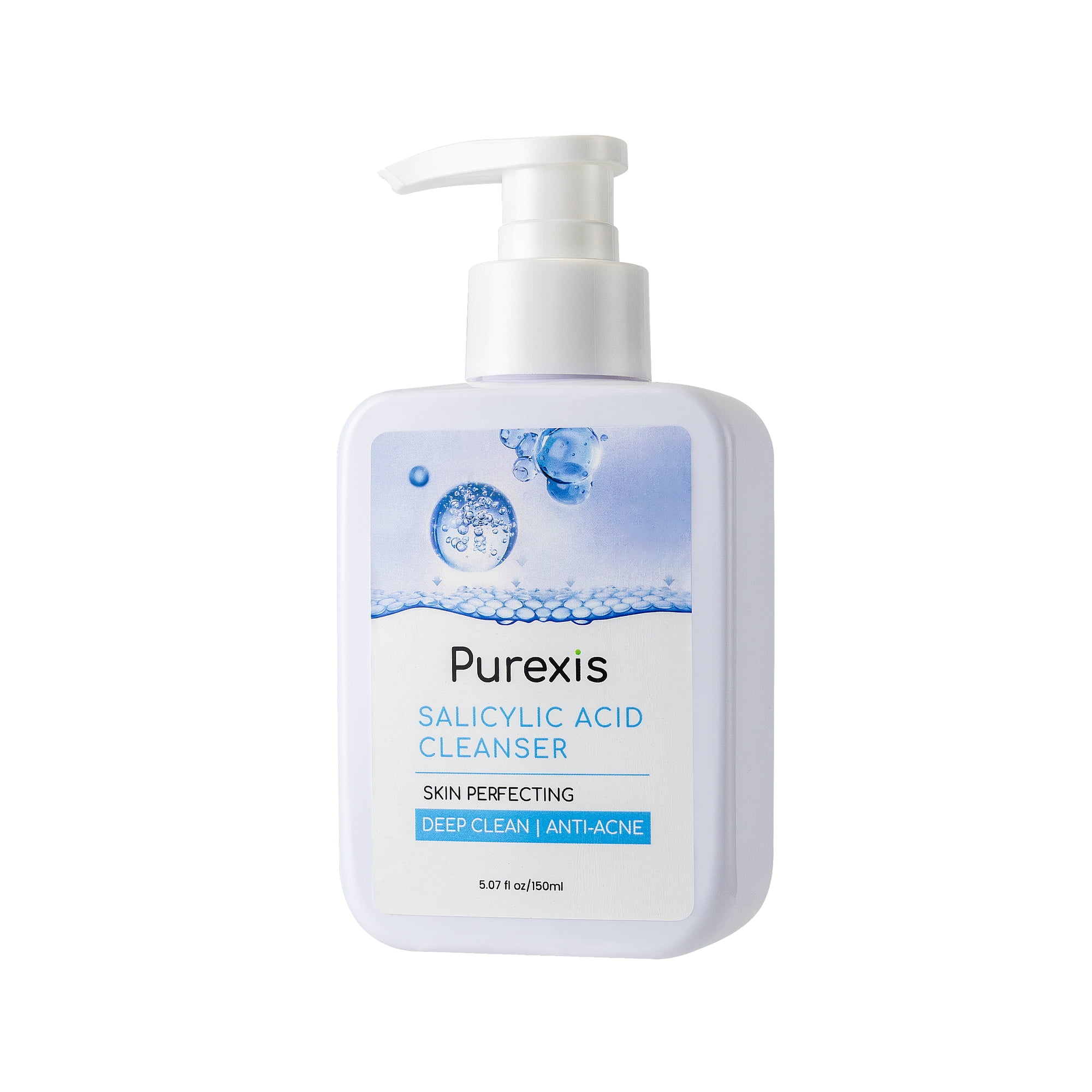
The most common reason foundation looks patchy, heavy, or cakey is not the foundation itself. It is the surface underneath. Foundation clings to dry flakes, pools in fine lines, separates over excess oil, and emphasizes texture when skin is uneven or dehydrated. Start with a gentle cleanse, then follow with a moisturizer suited to your skin. If your skin is dry, choose a cream with hyaluronic acid, glycerin, ceramides, or squalane. If your skin is oily, a lightweight gel moisturizer can hydrate without adding greasiness. Combination skin often benefits from a balanced lotion, with extra oil control only where needed.
Give skincare a few minutes to absorb before moving on. Applying foundation immediately over slippery moisturizer, serum, or sunscreen can cause sliding. A simple rule is to wait until the skin feels touch-dry but still comfortable. In the morning, sunscreen should be part of your prep, especially if your foundation does not provide enough protection on its own. Let SPF set, then decide whether you need primer. Primer is not mandatory, but it can help your foundation wear longer, blur texture, control shine, or add hydration.


2. Match the Formula to Your Skin Type
Choosing the right formula is one of the most important steps in learning how to apply foundation flawlessly. A product that looks beautiful on someone else may fail on your skin if the finish, texture, or wear time does not suit your needs. For dry skin, look for hydrating, luminous, satin, or serum foundations. These formulas often contain moisturizing ingredients and blend smoothly without clinging to dry patches. For oily skin, choose oil-free, matte, semi-matte, or long-wear foundations that resist breakdown in the T-zone.
Combination skin usually needs balance. A natural or satin finish foundation works well for many people because it is not too dewy and not too flat. You can control shine with powder only in oily areas instead of making the entire face matte. Sensitive or acne-prone skin should prioritize non-comedogenic, fragrance-free formulas when possible. Mature skin often looks best with flexible, luminous formulas that do not settle heavily into lines. The goal is not to force your skin into a trend; the goal is to choose a foundation that behaves well with your natural texture.
3. Select a Shade That Truly Disappears
A flawless base can still look obvious if the shade is wrong. The right foundation should blend from your face into your neck without creating a visible line. Test shades along the jawline or upper neck, not just on the wrist or cheek. Your face and neck can differ in color, but the jawline is usually the best compromise. If you are choosing between two shades, select the one that becomes less noticeable after a few minutes, because many foundations oxidize slightly as they dry.
Undertone matters as much as depth. If your skin has pink, red, or bluish hints, you may lean cool. If it has golden, peachy, or yellow hints, you may lean warm. If you see a mix of both, you may be neutral. Olive skin can have a greenish undertone beneath warm or neutral surface tones. When testing, look in natural light whenever possible. Store lighting can distort color, and a shade that looks perfect indoors may appear orange, gray, or pink outside. If your foundation looks correct in the center of your face but wrong around the edges, blend a little down the neck or adjust your shade.
4. Choose the Right Tool for the Finish You Want
Tools change the final result. Fingers warm the product and can create a natural, skin-like finish, especially with light to medium coverage foundations. However, fingers may leave streaks if you use too much product or do not blend thoroughly. A dense foundation brush can provide more coverage and a polished finish, but it requires circular buffing or stippling motions to avoid brush marks. A damp makeup sponge gives a soft, airbrushed look because it presses product into the skin while absorbing a little excess.
For beginners, a damp sponge is often the easiest way to avoid a heavy finish. Squeeze out extra water, then use bouncing or pressing motions rather than dragging. Dragging can move foundation around and create uneven patches. If you prefer a brush, tap off excess product and blend in small sections. Whatever tool you choose, keep it clean. A dirty sponge or brush can harbor residue, bacteria, and old makeup, which can affect blending and irritate the skin.
5. Use Less Product Than You Think
The fastest way to lose a flawless finish is to apply too much foundation at once. Heavy layers settle into pores, fine lines, and texture, making the makeup look thicker as the day goes on. Start with a small amount, about half a pump for light coverage or one pump for medium coverage. You can always add more where needed. Dot product on the center of the face, such as the cheeks, forehead, nose, and chin, then blend outward toward the hairline, jaw, and neck.
Thin layers are the secret to even coverage. After the first layer, assess whether you need more. Add a tiny amount only on areas that need extra evening out, such as redness around the nose, blemishes, or uneven pigmentation. This approach keeps the skin looking fresh instead of masked. If your foundation still does not provide enough coverage after two thin layers, consider using concealer strategically rather than piling on more base.
6. Blend in Sections for an Even Finish
Foundation can begin to set quickly, especially long-wear formulas. To prevent streaks, work in sections. Apply product to one cheek, blend it, then move to the other cheek, forehead, nose, and chin. Keep the edges soft and feathered. The area around the jawline should be blended carefully so there is no obvious cutoff between your face and neck. Pay attention to the sides of the nose, corners of the mouth, under the chin, and near the hairline, where product often gathers.
If your foundation looks patchy while you are applying it, do not keep rubbing harder. Overworking can lift product from some areas while pushing it into texture in others. Instead, use a clean damp sponge to press and bounce over the patch. A tiny drop of moisturizer or facial mist on the sponge can help soften the finish, but use very little so the foundation does not slide off. The best foundation application looks deliberate but effortless, with no visible start or stop points.
7. Apply Concealer After Building Your Base
Many people apply concealer before foundation, but for most everyday looks, applying it after foundation is easier. Once your base is blended, you can see exactly where extra coverage is needed. Use a small amount of concealer under the eyes, on blemishes, around the nose, or on areas of discoloration. Press it in with a fingertip or small sponge, then feather the edges. Avoid spreading concealer too far, because excessive product can crease or brighten the wrong areas.
For under-eyes, choose a formula that hydrates without being too thick. Heavy concealer can collect in fine lines and make the area look dry. For blemishes, use a more precise, higher-coverage formula and pat it directly onto the spot without rubbing the center. Let it sit for a few seconds before blending the edges. This gives the pigment time to grip the skin and improves longevity.
8. Set Strategically, Not Heavily
Setting is the final step that can make your foundation last, but too much powder can make the skin look flat or dry. Start by deciding which areas actually need setting. Oily zones such as the forehead, nose, chin, and under-eye area may benefit from a light dusting of translucent powder. Dry areas such as the cheeks often need little or no powder. Use a fluffy brush for a soft finish or a small puff for more targeted control.
If you want extra longevity, apply powder after concealer and before or after foundation depending on your preferred method. A light powder under foundation can help oily areas stay matte, while powder after foundation locks everything in place. Finish with a setting spray to melt the layers together and restore a more natural texture. For very long days, spray, let it dry, then lightly press a tissue over the skin to remove excess product without disturbing coverage.
9. Fix Common Foundation Problems
If your foundation separates during the day, blot oil first instead of adding powder immediately. Oil and product buildup can create a patchy surface, and adding powder on top may make it worse. Use blotting paper or a clean tissue, then press a small amount of foundation or cushion compact only where needed. If your foundation looks cakey, mist your face lightly and press with a damp sponge to soften the finish. If it clings to dry patches, gently remove the product from that area with a cotton swab, add a tiny bit of moisturizer, and pat foundation back on.
If your foundation looks orange, you may have chosen a shade that is too warm or one that oxidizes. Try a cooler or more neutral shade, or use a small amount of blue color corrector mixed into the foundation, but only if you are comfortable with color theory. If your foundation looks gray or ashy, it may be too cool or too light. If it looks pink, it may be too cool for your undertone. Shade correction works best when the base is close to your natural color.
10. Adapt the Technique to Your Day
A flawless foundation routine should change depending on your environment. For a quick daytime look, use a small amount of tinted moisturizer, skin tint, or light foundation, then conceal only where necessary. For workdays, a natural satin foundation with strategic powder can balance comfort and longevity. For events or photography, build coverage slowly, set carefully, and check your base in different lighting before you leave. Flash photography can reveal SPF-heavy or overly powdery finishes, so test ahead if possible.
In humid weather, choose long-wear formulas, use thin layers, and set oily areas well. In dry weather, focus on hydration, avoid excessive powder, and choose a luminous or satin finish. If you wear a mask, keep foundation lighter around the nose and mouth, set those areas gently, and carry blotting papers instead of constantly reapplying. The most flawless application is the one that survives your real life, not just the first mirror check.
11. Build a Simple Routine You Can Repeat
To make flawless foundation easier, create a repeatable routine. Cleanse and moisturize, wait for skincare to settle, apply primer only where useful, match your formula to your skin, choose the right tool, start with a small amount, blend in sections, add concealer where needed, set strategically, and finish with setting spray. Once you know your routine, you will apply foundation faster and with fewer mistakes. Practice also helps you learn how much product your face actually needs, which is often less than you think.
Remember that flawless does not mean poreless, filter-smooth, or completely untouched. Healthy skin has texture, and makeup should enhance it rather than erase it. A beautiful base evens tone, softens imperfections, and gives your complexion a polished look while still allowing your
For further reading, see related references on Wikipedia.
Leave a Reply